For marketers, content creators, and e-commerce specialists in the jewelry or artisanal goods sectors, understanding the origin of materials like turquoise is not merely an academic exercise—it is a critical component of product differentiation, content strategy, and search engine visibility. The American Southwest is renowned for its rich deposits of turquoise, with specific mines yielding stones that possess distinct characteristics, histories, and market values. Leveraging this geological and cultural heritage effectively can significantly enhance brand authority, improve organic search rankings for niche keywords, and ultimately drive commercial interest.
This exploration focuses on the most famous turquoise sources in Arizona, New Mexico, and Nevada, detailing their unique contributions and outlining how this specialized knowledge translates into tangible marketing advantages. For businesses aiming to connect with discerning buyers and build robust content ecosystems, a precise understanding of these mines offers a competitive edge.
The Commercial Value of Origin in Turquoise Marketing
The provenance of turquoise directly influences its perceived value and market positioning. Unlike generic gemstones, turquoise from specific mines often carries a premium due to its unique color, matrix patterns, hardness, and historical significance. For content strategists, this translates into high-value keyword opportunities and compelling narrative hooks.
When a product description or blog post can confidently attribute turquoise to a known mine, it signals authenticity and quality to potential buyers. This specificity allows for targeting long-tail keywords such as "Sleeping Beauty turquoise jewelry" or "Kingman turquoise cabochons," which often have higher conversion rates due to clear buyer intent. Furthermore, content that educates consumers about these origins builds trust and positions a brand as an authority in the field, fostering customer loyalty and reducing reliance on broad, competitive terms.
Key Turquoise Mines of the American Southwest
Sleeping Beauty Mine (Arizona)
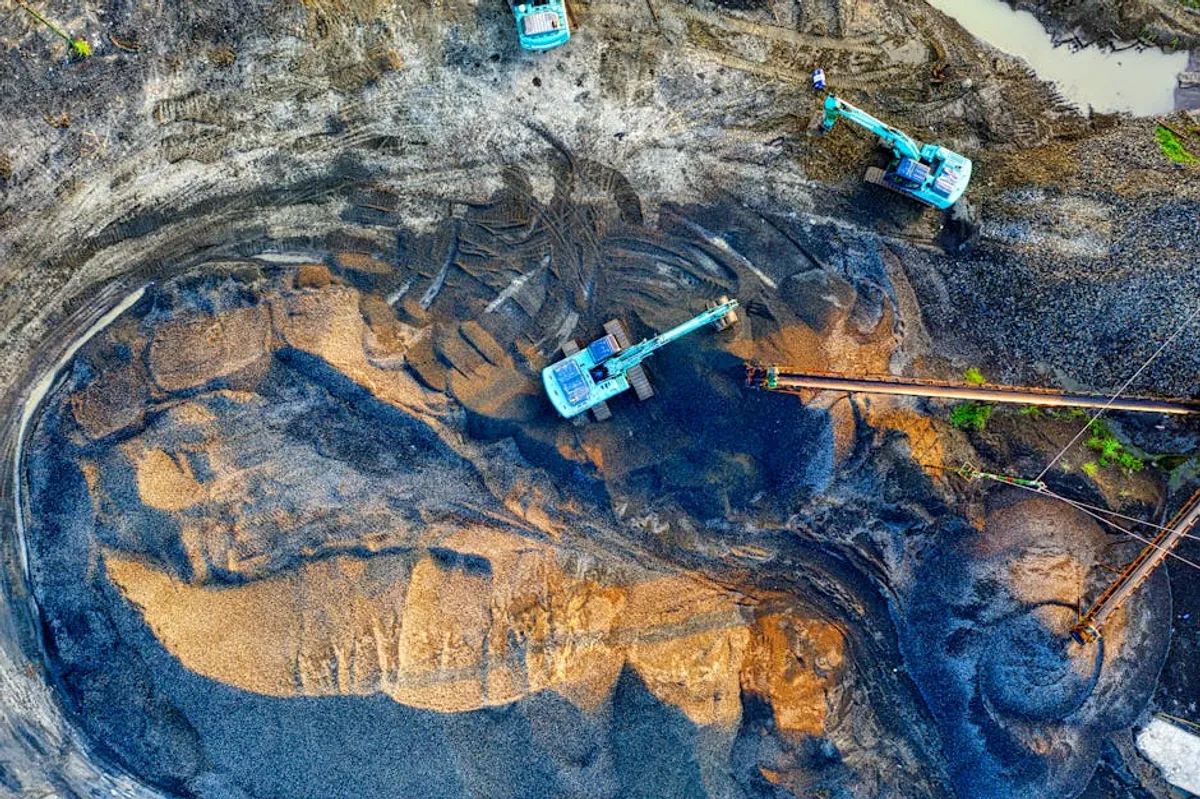
Located near Globe, Arizona, the Sleeping Beauty Mine was primarily a copper mine, with turquoise being a byproduct. It was one of the most consistent producers of high-quality, un-matrixed turquoise until its closure to turquoise mining in 2012. Its name derives from the mountain formation resembling a sleeping woman.
- Distinctive Characteristics: Known for its solid, robin's egg blue color, often without any matrix (host rock inclusions). It is generally hard and takes a good polish.
- Commercial Implications: Due to its consistent color and lack of matrix, Sleeping Beauty turquoise was highly favored by Zuni Pueblo artisans for inlay work and by jewelers seeking a clean, classic look. Its closure has made existing stock significantly more valuable and sought after.
- Content Angles: Focus on its classic aesthetic, rarity due to closure, suitability for traditional and contemporary designs, and comparisons with other matrix-heavy turquoises. Keyword opportunities include "Sleeping Beauty blue turquoise," "no matrix turquoise," and "rare Arizona turquoise."
Kingman Mine (Arizona)
The Kingman Mine, located in Mohave County, Arizona, is one of the oldest and largest turquoise mines in North America. It has been mined by Native Americans for over 1,000 years and commercially since the late 1800s. It continues to be an active producer.
- Distinctive Characteristics: Kingman turquoise is famous for its vibrant blue hues, ranging from light to deep, often with a black, brown, or white matrix. It is also known for its "Kingman web" matrix pattern.
- Commercial Implications: Its consistent production and variety of grades make it a staple in the turquoise market. The high-grade, webbed material is particularly prized.
- Content Angles: Highlight its historical significance, ongoing production, versatility in color and matrix, and use in diverse jewelry styles. Target keywords like "Kingman web turquoise," "Arizona turquoise jewelry," and "natural Kingman turquoise."
Turquoise Mountain / Ithaca Peak (Arizona)
These two distinct deposits are found in the same mining district as the Kingman Mine and are often discussed together due to their proximity and similar characteristics, though each has its unique flair.
- Distinctive Characteristics: Turquoise Mountain yields lighter blue stones with a dark, often spiderweb matrix. Ithaca Peak is known for its bold, often dark blue turquoise with a striking pyrite (fool's gold) matrix, giving it a distinctive metallic sheen.
- Commercial Implications: Both are highly valued for their unique matrix patterns. Ithaca Peak, with its pyrite inclusions, is particularly distinctive and commands strong interest among collectors and designers seeking unusual material.
- Content Angles: Emphasize the unique matrix variations, the presence of pyrite in Ithaca Peak, and their appeal to collectors. Useful keywords include "Ithaca Peak pyrite turquoise," "Turquoise Mountain spiderweb," and "unique Arizona turquoise."
Cerrillos Mine (New Mexico)
One of the oldest known turquoise mines in North America, the Cerrillos Mine in New Mexico was extensively worked by pre-Columbian Native Americans and later by Spanish colonists. It produced a significant amount of turquoise before commercial mining largely ceased.
- Distinctive Characteristics: Cerrillos turquoise is famous for its wide range of colors, including rare apple green, forest green, and various shades of blue-green, often with a distinctive brown or golden matrix.
- Commercial Implications: Its historical significance and unique color palette make it highly collectible, especially the rarer green varieties. Authentic Cerrillos turquoise is now quite scarce.
- Content Angles: Focus on its deep historical roots, archaeological importance, rarity of green turquoise, and connection to ancient trade routes. Target keywords like "Cerrillos green turquoise," "historic New Mexico turquoise," and "ancient turquoise sources."
Royston Mine (Nevada)
The Royston mining district in Nevada is known for several turquoise claims, including Royston, Oscar Wehrend, and Royal Blue. It's one of the few mines that produces a wide range of colors in a single deposit.
- Distinctive Characteristics: Royston turquoise is celebrated for its beautiful array of colors, from light blue to deep green, often displaying both colors in a single stone. It typically features a golden or brown matrix that complements its unique color variations.
- Commercial Implications: The striking color combinations and distinctive matrix make Royston highly desirable for unique, artistic jewelry pieces.
- Content Angles: Highlight its bi-color nature, the aesthetic appeal of its matrix, and its suitability for statement pieces. Keywords include "Royston ribbon turquoise," "Nevada green-blue turquoise," and "natural Royston turquoise."
Number 8 Mine (Nevada)
Discovered in 1929 in Eureka County, Nevada, the Number 8 Mine was known for producing some of the largest turquoise nodules ever found. It ceased production in 1976 and is now considered a "legacy" mine.
- Distinctive Characteristics: Number 8 turquoise is highly prized for its unique spiderweb matrix, often black or brown, set against a background of light blue to dark blue-green. It sometimes features rare gold or red-gold spiderwebbing.
- Commercial Implications: Its rarity and distinctive spiderweb matrix make it one of the most valuable and sought-after turquoises among collectors.
- Content Angles: Emphasize its status as a closed, legacy mine, the exceptional spiderweb patterns, and its high collector value. Keywords like "Number 8 spiderweb turquoise," "rare Nevada turquoise," and "collectible turquoise."
Lone Mountain Mine (Nevada)
Located in Esmeralda County, Nevada, the Lone Mountain Mine, also known as Blue Jay, has produced turquoise since 1920. It is known for both its classic blue and distinctive spiderweb material.
- Distinctive Characteristics: Lone Mountain turquoise is highly regarded for its brilliant blue colors, often with a fine spiderweb matrix or as clear, un-matrixed stones. The un-matrixed "bird's eye" material, which has a distinct dark spot, is particularly rare.
- Commercial Implications: Its hardness and beautiful colors make it highly durable and desirable. The rare "bird's eye" material commands exceptional prices.
- Content Angles: Focus on its durability, classic blue appeal, and the extreme rarity of "bird's eye" specimens. Keywords include "Lone Mountain blue turquoise," "hard Nevada turquoise," and "bird's eye turquoise."
Differentiating Turquoise by Source: A Content Strategy Imperative
For brands operating in the turquoise market, a content strategy that highlights mine-specific origins is not merely an aesthetic choice; it's a strategic differentiator. This approach allows businesses to:
- Target Niche Audiences: Buyers interested in "Cerrillos green turquoise" are often more informed and prepared to invest in specific, high-value pieces than those searching for generic "turquoise jewelry."
- Build Authority: Demonstrating in-depth knowledge about mine characteristics, history, and current availability establishes a brand as an expert, fostering consumer trust and reducing price sensitivity.
- Enhance SEO Performance: Long-tail keywords incorporating mine names can capture highly qualified traffic. Content can include detailed descriptions, historical narratives, and comparisons between different mine sources.
- Justify Pricing: The rarity, unique qualities, and historical context of turquoise from specific mines provide concrete reasons for higher price points, moving conversations beyond simple cost to inherent value.
Pro Tip: When marketing turquoise, explicitly stating the verifiable mine of origin significantly enhances perceived product value and search relevance. This also helps mitigate customer skepticism regarding authenticity, especially for high-value pieces. Always ensure accurate attribution to avoid misrepresentation.
Effective content assets leveraging mine origin include:
- Dedicated blog posts detailing the history and characteristics of individual mines.
- Product descriptions that clearly state the mine, color, matrix, and hardness.
- Comparison guides for "Turquoise Mountain vs. Kingman" or "Sleeping Beauty alternatives."
- Visual content (high-resolution images, videos) showcasing the unique features of each mine's turquoise.
- Educational resources explaining the impact of mine closures on market supply and value.
Navigating Authenticity and Scarcity in the Market
The market for natural turquoise, particularly from famous Southwest mines, is characterized by both high demand and increasing scarcity. Many historic mines are now closed, making existing material highly valuable. This environment necessitates a focus on authenticity in marketing. Brands that can provide verifiable provenance, whether through direct sourcing relationships or reputable suppliers, gain a significant advantage.
Content should address common consumer concerns about imitation or treated turquoise. Educating the audience on how to identify natural, untreated, and mine-specific material not only builds trust but also positions the brand as a reliable source in a complex market. Discussing the impact of mine closures, such as the Sleeping Beauty mine, provides context for pricing and limited availability, managing customer expectations while highlighting the investment value of genuine pieces.
Actionable Insights for Content Creators
For any business involved with turquoise, integrating mine-specific information into your content strategy is a clear path to enhanced market position and customer engagement. Begin by auditing your existing product catalog to identify pieces with known origins. Develop a content calendar that prioritizes deep-dive articles on key mines relevant to your inventory. Utilize structured data markup (e.g., Schema.org for products) to highlight material origin, improving how search engines interpret and display your product information. Finally, invest in high-quality photography that captures the unique characteristics of turquoise from different sources, providing visual proof of authenticity and quality. This strategic approach transforms product details into compelling narratives that resonate with informed buyers and drive commercial success.
Frequently Asked Questions About Southwest Turquoise Mines
What makes Southwest turquoise unique compared to other global sources?
Southwest turquoise is renowned for its diverse range of colors, from vibrant blues to unique greens, and distinctive matrix patterns, often influenced by the region's unique geological conditions and mineral composition. Many mines also carry significant historical and cultural importance, particularly to Native American artisans.
Are all famous turquoise mines in the Southwest still active?
No, many famous Southwest turquoise mines, such as Sleeping Beauty and Number 8, have ceased commercial turquoise production. This closure contributes to the rarity and increased value of their existing material in the market.
How does the mine of origin affect the value of turquoise?
The mine of origin significantly affects turquoise value due to factors like rarity, specific color and matrix characteristics, historical significance, and the mine's reputation for producing high-quality material. Turquoise from well-known, closed mines often commands premium prices.
What are common keywords related to specific turquoise mines for content strategy?
Effective keywords often combine the mine name with descriptive terms like "Sleeping Beauty blue turquoise," "Kingman web turquoise," "Cerrillos green turquoise," "Ithaca Peak pyrite turquoise," or "Number 8 spiderweb turquoise." These long-tail keywords target highly specific buyer intent.