Abalone inlay jewelry offers a distinct aesthetic, characterized by its vibrant, shifting iridescence. For buyers, understanding the material’s natural properties, the craftsmanship involved, and its cultural significance is crucial for making an informed purchase. This guide dissects the core elements—color, meaning, and value—to equip you with the knowledge necessary to appreciate and acquire abalone pieces with confidence, ensuring your investment aligns with both aesthetic preference and quality expectations.
Understanding Abalone: The Source and Its Appeal
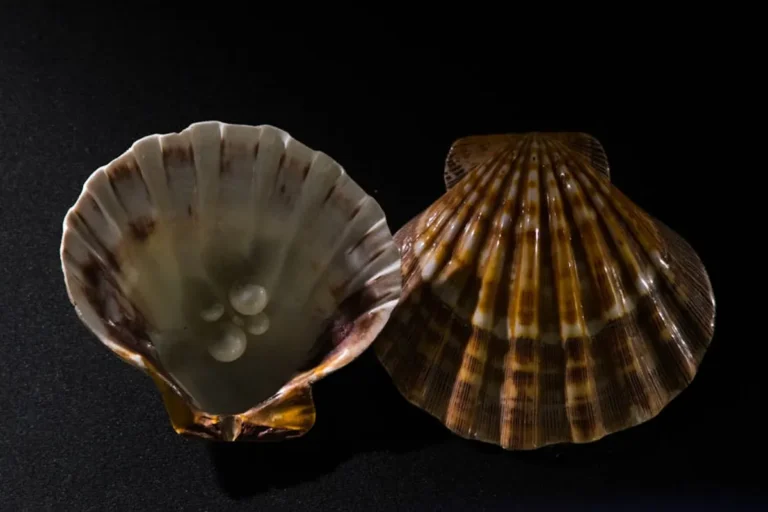
Abalone refers to a group of large sea snails, marine gastropod mollusks, found in cold coastal waters worldwide. Their shells are lined with nacre, also known as mother-of-pearl, which produces the characteristic iridescent play of colors. This inner layer, composed of microscopic calcium carbonate platelets, diffracts light to create a spectrum of hues, making each piece unique. The shell’s appeal in jewelry stems directly from this natural, dynamic coloration, which can range from deep blues and greens to fiery oranges and purples.
Natural Color Variations and Their Origin
The specific colors observed in abalone shell are influenced by the species of abalone, its diet, and the water conditions of its habitat. For instance, the Paua abalone (Haliotis iris) from New Zealand is renowned for its intense blues, greens, and purples. Californian species might exhibit more pinks and reds. These natural variations mean no two pieces of abalone shell are identical, lending an inherent exclusivity to each item of jewelry. The depth and intensity of these colors are primary indicators of the shell's quality and desirability in inlay work.
The Spectrum of Abalone Inlay Colors
The visual appeal of abalone inlay jewelry is largely defined by the array of colors presented and how they interact. Jewelers carefully select and cut pieces of shell to maximize the natural iridescence and pattern.
Blue and Green Hues: Common and Sought-After
These are the most frequently encountered and widely recognized colors in abalone shell, particularly from species like Paua. The blues can range from deep navy to bright turquoise, while greens often present as emerald or jade tones. These colors are popular for their oceanic feel and versatility, complementing various metal settings from sterling silver to white gold. Their prevalence makes them a benchmark for assessing the quality of iridescence; a strong, consistent play of blue and green indicates a healthy, mature shell.
Pink and Purple Iridescence: Rarer Finds
While less common than blues and greens, flashes of pink, purple, and even gold can appear, especially in abalone from warmer waters or specific species. These rarer hues tend to elevate the perceived value and uniqueness of a piece. When evaluating, look for a clear, distinct presence of these colors rather than just faint hints, as this signifies a premium cut of shell.
How Inlay Techniques Influence Visual Depth
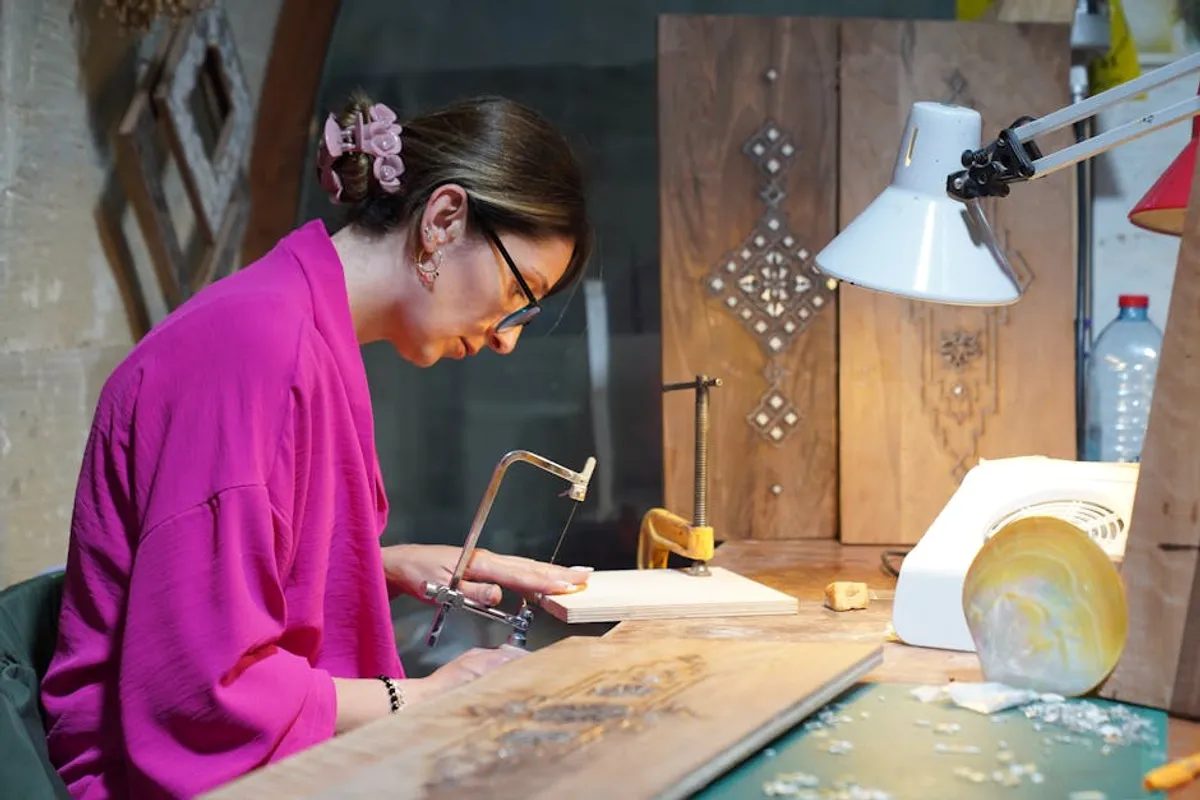
Inlay involves precisely cutting small pieces of abalone shell and fitting them into a matrix, often metal or wood, to create a mosaic pattern. The skill of the artisan significantly impacts the final visual effect. Expert inlay work ensures:
- Seamless Integration: Pieces fit tightly together with minimal gaps.
- Consistent Thickness: All inlay pieces are flush with the surrounding material, preventing uneven surfaces.
- Optimized Iridescence: Shell pieces are oriented to catch light effectively, maximizing the color play.
- Complex Patterns: Intricate designs that showcase the shell's natural beauty in a structured way.
Poor inlay can result in visible seams, uneven surfaces, and a duller overall appearance, diminishing both the aesthetic and commercial value.
Symbolic Meanings Attributed to Abalone
Beyond its visual appeal, abalone shell carries various symbolic meanings across different cultures, influencing its desirability for specific wearers.
Cultural Significance and Associations
Historically, abalone has been used by indigenous cultures for decorative and ceremonial purposes. In some Native American traditions, it represents the ocean's healing and calming properties, often used in smudging ceremonies. In Maori culture (New Zealand), Paua shell is deeply significant, symbolizing connection to the sea, protection, and prosperity. These cultural layers add depth to the jewelry, making it more than just an adornment for those who resonate with its symbolism.
Personal Interpretation and Wearer Connection
For many, abalone symbolizes emotional balance, intuition, and a connection to nature, particularly the ocean. Its iridescent qualities are sometimes associated with the ebb and flow of life, promoting adaptability and resilience. Buyers often seek abalone for its perceived ability to soothe emotions and encourage creativity. This personal connection contributes to the perceived value of a piece, moving beyond mere material worth to encompass spiritual or emotional benefit.
Pro Tip: When evaluating abalone inlay jewelry, examine the piece under varying light conditions—natural daylight, incandescent, and fluorescent. This reveals the full spectrum of its iridescence and helps identify how consistently the colors shift, which is a key indicator of shell quality and the skill of the inlay artist.
Factors Determining Abalone Inlay Jewelry Value
The value of abalone inlay jewelry is not solely based on the metal setting but significantly on the quality of the shell and the craftsmanship.
Quality of the Abalone Shell: Iridescence and Thickness
The primary determinant is the shell itself. High-quality abalone displays strong, vibrant, and consistent iridescence across the entire inlaid surface. Look for a "fire" or "flash" of color that shifts dramatically with movement. Thicker cuts of abalone, which are less prone to cracking and offer a deeper play of light, are generally more valuable. Thin, dull, or overly uniform pieces suggest lower quality.
Craftsmanship and Inlay Precision
The skill involved in cutting, shaping, and setting the abalone pieces is paramount. Precision inlay means tight seams, a smooth surface, and no visible adhesive or gaps between the shell and the surrounding material. Intricate patterns, especially those that seamlessly blend multiple shell pieces to form a cohesive design, command higher prices due to the labor and expertise required.
Metal Setting and Additional Gemstones
The type and purity of the metal used (e.g., sterling silver, 14k gold) and the presence of any additional gemstones (e.g., diamonds, sapphires) contribute to the overall value. A well-crafted setting not only enhances the abalone but also secures the inlay, ensuring durability. The aesthetic harmony between the abalone and its setting is also a factor, where the metal complements rather than overwhelms the shell.
Rarity of Color and Pattern
While subjective, certain color combinations or unique patterns within the abalone shell can increase its value. Shells exhibiting a strong presence of pinks, purples, or a particularly vivid, swirling pattern are often considered more desirable than those with a more uniform blue-green appearance. This rarity factor appeals to collectors and those seeking truly distinctive pieces.
Identifying Authentic Abalone and Quality Inlay
Distinguishing genuine abalone from imitations and assessing inlay quality requires careful observation.
Visual Cues for Genuine Shell
Authentic abalone will always exhibit natural variations in color and pattern; it will not be perfectly uniform. The iridescence will appear to shift and dance as you move the piece, unlike synthetic materials which often have a static, printed appearance. Genuine shell also has a distinct, layered texture if viewed from the side, a characteristic difficult to replicate artificially. If a piece looks too perfect or too uniform in color, it warrants closer inspection.
Assessing Inlay Workmanship
Run your finger lightly over the inlaid surface. It should feel smooth and even, without noticeable ridges or gaps between the shell pieces or between the shell and the metal. Examine the edges of each shell piece; they should be cleanly cut and fit snugly. Any signs of chipping, lifting, or excessive adhesive indicate poor craftsmanship that will compromise the jewelry's longevity and appearance.
Caring for Abalone Inlay Jewelry
Abalone is organic and relatively delicate. Proper care ensures its longevity and preserves its vibrant iridescence.
- Avoid harsh chemicals: Abalone is sensitive to acids, ammonia, and strong detergents, which can dull its luster or damage the nacre.
- Clean gently: Use a soft, damp cloth with plain water to wipe the surface. Dry immediately with another soft cloth.
- Protect from impact: Abalone can chip or crack if dropped or struck against hard surfaces.
- Store separately: Keep abalone jewelry in a soft pouch or a separate compartment to prevent scratches from other jewelry.
- Limit exposure to extreme temperatures: Rapid temperature changes or prolonged heat can cause the shell to crack.
Making Your Selection
Choosing abalone inlay jewelry is a personal decision, but an informed one leads to greater satisfaction. Prioritize pieces where the abalone itself is the star—vibrant, well-cut, and meticulously inlaid. Consider the metal setting as a complement, not a distraction. Whether drawn by its striking colors or its symbolic resonance, understanding the nuances of abalone ensures you acquire a piece that genuinely reflects quality and artistry.
Frequently Asked Questions
Is all abalone inlay jewelry natural?
No. While most quality pieces use genuine abalone shell, synthetic imitations or highly processed, dyed shells exist. Genuine abalone exhibits natural variations in color and pattern, and its iridescence shifts with light, unlike static artificial materials.
How do I clean abalone inlay jewelry?
Clean abalone jewelry by gently wiping it with a soft, damp cloth and plain water. Avoid harsh chemicals, abrasive cleaners, or ultrasonic devices, as these can damage the delicate nacre surface and dull its natural luster. Dry immediately with a soft cloth.
What is the difference between Paua shell and other abalone?
Paua shell is a specific species of abalone (Haliotis iris) found exclusively in New Zealand. It is highly prized for its particularly intense and vibrant blues, greens, and purples, often exhibiting a stronger iridescence compared to other abalone species.
Does abalone jewelry fade over time?
Genuine abalone shell does not inherently fade. However, its luster can be dulled by exposure to chemicals, excessive sunlight, or improper cleaning. With proper care, the vibrant iridescence of abalone can be maintained for many years.