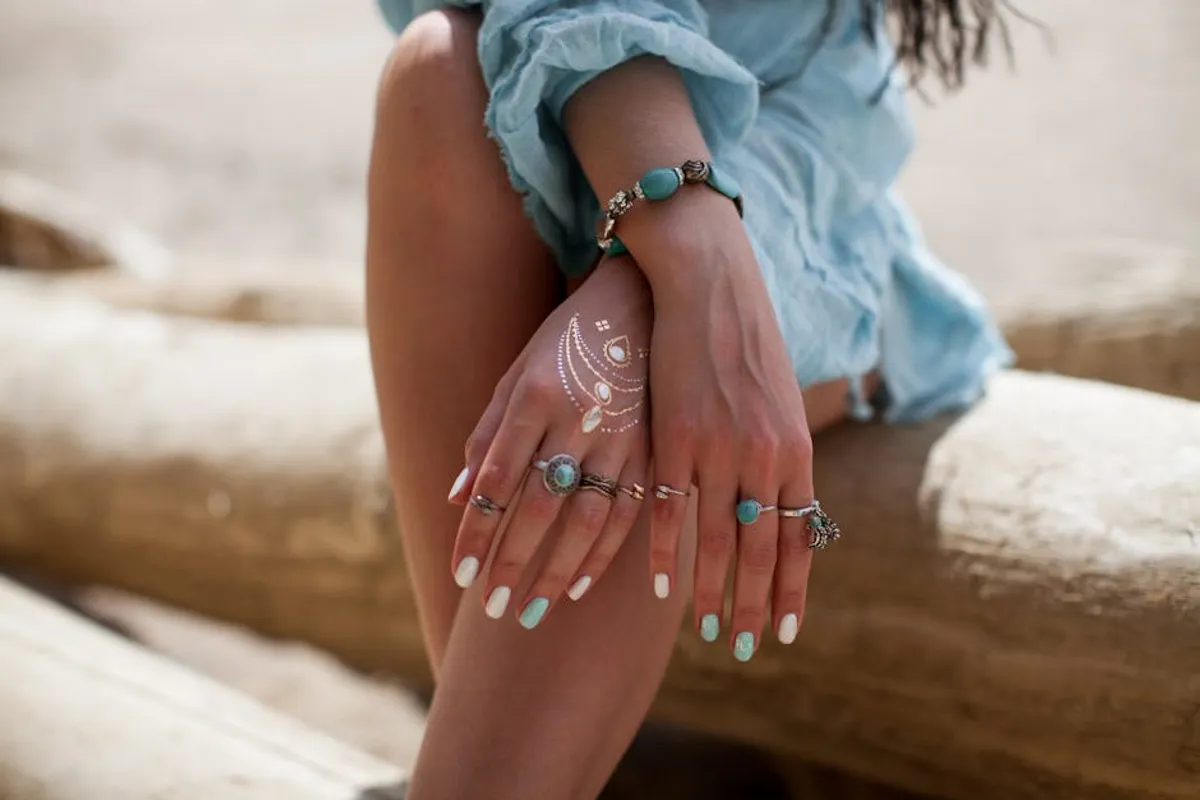
Turquoise jewelry holds a unique place in adornment, valued not only for its distinct color but also for centuries of cultural significance. For prospective buyers, understanding the factors that dictate its meaning, intrinsic value, and authenticity is crucial. This guide provides a practical framework for navigating the market, ensuring informed decisions whether you are seeking a statement piece or a subtle accent.
The Enduring Significance of Turquoise
Turquoise has been revered across diverse civilizations for millennia, often associated with protection, wisdom, and tranquility. Ancient Egyptians, Persians, and Native American cultures, particularly those in the Southwestern United States, incorporated turquoise into ceremonial objects, jewelry, and talismans. Its sky-blue and sea-green hues connected it to the elements, symbolizing the union of heaven and earth. Many traditions believe turquoise brings good fortune, health, and a calm spirit, making it more than just a gemstone but a carrier of cultural narrative and personal meaning. Its cultural significance is also explored in native american turquoise jewelry history and traditions.
Assessing Turquoise Value
The monetary value of turquoise is determined by several key characteristics, moving beyond mere aesthetic appeal. These factors collectively establish a stone's quality and market price.
Color and Matrix Patterns
The most prized turquoise typically exhibits a uniform, intense sky-blue or robin's egg blue hue. While pure blue is often considered ideal, fine green-blue shades are also highly valued. The presence of a "matrix" – the remnant of the host rock appearing as veins or splotches – can either enhance or diminish a stone's value. A spiderweb matrix, where fine, intricate lines create a distinct pattern, can be highly desirable, especially in certain types like Kingman turquoise. However, a heavy, unattractive matrix can reduce value.
Hardness and Stability
Turquoise is a relatively soft stone, ranging from 5 to 6 on the Mohs scale. Its porosity means it can absorb oils, chemicals, and perfumes, leading to discoloration over time. Higher quality turquoise is denser and less porous, making it more durable and stable. This inherent characteristic often influences how the stone is prepared for jewelry.
Geographic Origin and Mine Specifics
The origin of turquoise can significantly impact its value. Historically, Persian turquoise, known for its pure, intense blue with little to no matrix, set the standard for quality. In the United States, mines like Sleeping Beauty (now closed), Kingman, and Lone Mountain in Arizona and Nevada produced distinctive turquoise varieties, each with unique color and matrix characteristics. Stones from these renowned sources often command higher prices due to their reputation and scarcity.
Treatment Disclosure
A substantial portion of turquoise on the market has undergone some form of treatment to enhance its color, hardness, or stability. Understanding these treatments is paramount for assessing value:
- Stabilized Turquoise: This is the most common treatment. Porous turquoise is impregnated with an epoxy resin to harden it, improve its color, and make it less susceptible to discoloration. It is a widely accepted practice, but disclosure is essential.
- Treated/Enhanced Turquoise: This can involve dyeing to intensify color or using surface treatments.
- Reconstituted/Reconstructed Turquoise: Small fragments of turquoise are crushed, mixed with a binding agent, and then pressed into blocks. This material contains actual turquoise but is not a solid natural stone.
- Imitation Turquoise: Materials like howlite, magnesite, or even plastic and glass are dyed to resemble turquoise. These are not turquoise at all and should be clearly labeled as imitations.
Pro Tip: Always inquire about the treatment status of any turquoise jewelry before purchase. Untreated, natural turquoise of high quality is rare and commands a premium, while stabilized or reconstituted pieces should be priced accordingly. Reputable sellers will readily provide this information.
Navigating Your Turquoise Purchase
Making an informed purchase requires attention to detail and a discerning eye.
Identifying Authenticity
Distinguishing real turquoise from imitations or heavily treated pieces often requires experience. Genuine turquoise, even stabilized, typically has a specific feel and weight. Imitations like dyed howlite often feel lighter or have a more uniform, artificial appearance. Look for natural variations in color and texture, even in stabilized pieces. When in doubt, consult with a certified gemologist or a highly reputable jeweler specializing in turquoise.
Selecting a Reputable Seller
The integrity of the seller is as important as the stone itself. Seek out jewelers or galleries with a strong reputation, transparency regarding their sourcing, and a clear disclosure policy for treatments. Established businesses often provide certificates of authenticity or detailed descriptions of the turquoise's origin and treatment status. Online, look for sellers with extensive positive reviews and clear return policies.
Essential Care for Turquoise Jewelry
To preserve the beauty and longevity of your turquoise jewelry, proper care is essential. Avoid exposing turquoise to harsh chemicals, cosmetics, perfumes, and even prolonged direct sunlight, as these can alter its color. Remove turquoise jewelry before swimming, cleaning, or engaging in strenuous activities. Clean it gently with a soft, damp cloth and mild soap, avoiding ultrasonic cleaners or steam cleaners. Store turquoise separately from harder gemstones to prevent scratching.
Making an Informed Choice
Turquoise jewelry offers a blend of historical depth, aesthetic appeal, and personal significance. By understanding the nuances of its meaning, the factors that dictate its value—such as color, origin, and especially treatment—and by applying careful buying practices, you can acquire pieces that are both beautiful and genuinely valued. Prioritize transparency from sellers and commit to proper care to ensure your turquoise remains a cherished possession for years to come.
Frequently Asked Questions
What is the difference between natural and stabilized turquoise?
Natural turquoise is untreated and unaltered, while stabilized turquoise has been infused with a clear epoxy resin to harden it, improve its color, and reduce porosity, making it more durable for jewelry use. Natural, high-grade turquoise is rarer and typically more expensive.
Does the matrix in turquoise affect its value?
Yes, the matrix (the host rock visible within the turquoise) can affect value. A fine, intricate "spiderweb" matrix is often highly prized and can increase value, while a heavy, unattractive matrix can decrease it. Pure, matrix-free turquoise is also highly sought after.
How can I tell if turquoise is real or fake?
Authentic turquoise, even when stabilized, has a specific density and often subtle variations in color and texture. Imitations like dyed howlite or plastic may feel lighter, have a uniform, artificial color, or show dye concentration in cracks. The most reliable way is to purchase from a reputable dealer who provides clear disclosure or consult a gemologist.
How should I clean and store my turquoise jewelry?
Clean turquoise gently with a soft, damp cloth and mild soap. Avoid harsh chemicals, ultrasonic cleaners, and steam cleaners. Store turquoise jewelry separately in a soft pouch or box to prevent scratches and protect it from direct sunlight, which can cause color changes.