Lone Mountain Turquoise stands as a distinct category within the world of natural gemstones, renowned for its specific visual characteristics and historical scarcity. For prospective buyers, understanding these defining attributes is essential for making informed decisions and acquiring authentic, valuable pieces. This guide outlines the critical factors that differentiate Lone Mountain Turquoise, helping you navigate the market with clarity, identify genuine examples, and assess their inherent worth.
The Origin and Distinctive Qualities of Lone Mountain Turquoise
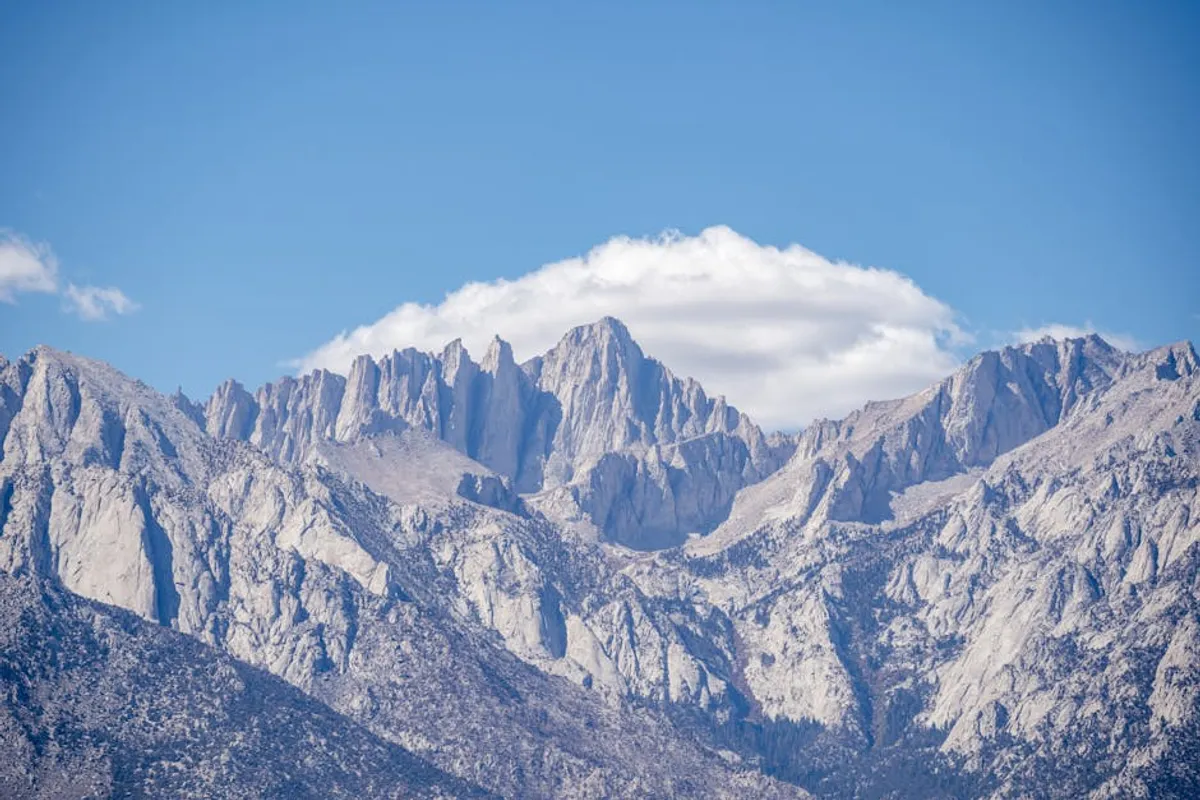
The Lone Mountain mine, located in Esmeralda County, Nevada, began production in 1920. While not the largest producer, its output quickly gained recognition for its exceptional quality and unique appearance. The mine has operated intermittently, contributing to the material's rarity and desirability in the market.
Lone Mountain Turquoise is primarily characterized by its diverse range of blue hues, from pale sky blue to deep, intense royal blue. A notable feature is the presence of a fine, often intricate spiderweb matrix, typically black or dark brown, which forms delicate patterns across the stone's surface. Some high-grade pieces exhibit a clear, unblemished blue without matrix, known as "gem grade" or "bird's eye" turquoise, which is particularly sought after for its uniform color saturation and vitreous luster. The material is also known for its hardness, contributing to its durability and ability to take a high polish.
Evaluating Lone Mountain Turquoise Quality
Assessing the quality of Lone Mountain Turquoise involves several interdependent criteria. These factors collectively determine a stone's aesthetic appeal, durability, and market value.
- Color: The most prized colors are vibrant, uniform blues, ranging from robin's egg to deep indigo. Greenish tints are less common but do occur. Stones with consistent color distribution across their surface are generally valued higher.
- Matrix: While some collectors prefer clear, matrix-free turquoise, Lone Mountain is often celebrated for its distinctive spiderweb matrix. The quality of the matrix is judged by its fineness, intricacy, and how it complements the blue of the stone without detracting from its overall beauty. Black or brown matrix is typical.
- Hardness: Natural Lone Mountain Turquoise is known for its relatively high hardness, typically between 5 and 6 on the Mohs scale. This natural hardness contributes to its stability and resistance to everyday wear, reducing the need for extensive stabilization.
- Cut and Polish: The skill of the cutter significantly impacts the stone's final appearance. A well-executed cut maximizes the stone's color and matrix patterns, while a high-quality polish enhances its luster without leaving surface imperfections.
- Size: Larger, high-quality cabochons or nuggets are inherently rarer and command higher prices, assuming other quality factors are consistent.
Natural vs. Stabilized Lone Mountain Turquoise
It is crucial for buyers to understand the difference between natural and stabilized turquoise. Natural Lone Mountain Turquoise, especially higher grades, is hard enough to be cut and polished without treatment. However, lower-grade or softer turquoise from the mine may be stabilized. Stabilization involves impregnating porous turquoise with an epoxy resin to harden it, improve its color, and enhance its durability. While stabilized turquoise is more affordable and durable, natural, untreated turquoise holds significantly higher value and is considered a collector's item due to its unaltered state and rarity.
Pro Tip: Always inquire about the treatment status of Lone Mountain Turquoise. Reputable sellers will disclose whether a stone is natural, stabilized, or treated. Lack of transparency should be a red flag, as untreated turquoise commands a premium and is a primary driver of value for collectors.
Authenticity and Sourcing Considerations
The market for valuable turquoise, including Lone Mountain, is susceptible to misrepresentation. Ensuring authenticity requires diligence from the buyer.
Verification Steps:
- Reputable Dealers: Purchase from established dealers, jewelers, or lapidaries with a history of handling genuine natural turquoise. These sources often have direct connections to miners or trusted suppliers.
- Provenance: Ask for information regarding the stone's origin. While a formal certificate of authenticity is rare for individual turquoise stones, a dealer's ability to provide a clear lineage or sourcing story adds credibility.
- Visual Inspection: Familiarize yourself with the typical characteristics of Lone Mountain Turquoise. Be wary of stones that appear too perfect, have unnaturally bright or uniform colors, or exhibit unusual matrix patterns not typical of the mine.
- Price Discrepancies: Exceptionally low prices for what is claimed to be high-grade natural Lone Mountain Turquoise should be viewed with skepticism. Its rarity and demand dictate a certain price floor.
Caring for Your Lone Mountain Turquoise
Proper care preserves the beauty and integrity of your turquoise, especially natural, untreated pieces. Turquoise is relatively soft and porous, making it susceptible to damage from chemicals and absorption.
- Avoid Chemicals: Keep turquoise away from harsh chemicals, including household cleaners, perfumes, and cosmetics. These can discolor the stone or damage its surface.
- Limit Exposure to Oils: Natural turquoise can absorb oils from skin, which can alter its color over time. While some consider this a natural patina, others prefer to minimize it.
- Gentle Cleaning: Clean turquoise with a soft, dry cloth. For occasional deeper cleaning, use a very mild soap and water solution, applied sparingly with a soft brush, and dry immediately. Avoid ultrasonic cleaners or steam cleaners.
- Storage: Store turquoise jewelry separately from harder gemstones to prevent scratching. Keep it in a soft pouch or a lined jewelry box.
Making Your Lone Mountain Turquoise Purchase
Acquiring Lone Mountain Turquoise requires a blend of aesthetic appreciation and practical knowledge. Focus on understanding the specific characteristics that define this material, paying close attention to color, matrix, and hardness. Prioritize natural, untreated stones if long-term value and collector appeal are your primary goals. Always verify the seller's reputation and transparency regarding the stone's origin and treatment status. By applying these guidelines, you can confidently select a piece that embodies the unique beauty and historical significance of Lone Mountain Turquoise.
Frequently Asked Questions About Lone Mountain Turquoise
What makes Lone Mountain Turquoise valuable?
Its value stems from a combination of factors: its historical rarity due to intermittent mining, the distinct range of vibrant blue colors, often accompanied by a fine spiderweb matrix, and its natural hardness which allows many pieces to be sold untreated.
How can I tell if Lone Mountain Turquoise is real?
Authenticity is best confirmed by purchasing from reputable dealers who can provide provenance. Visually, look for natural variations in color and matrix, and be wary of stones that appear unnaturally uniform or flawless, which can indicate stabilization or imitation.
Is natural Lone Mountain Turquoise always blue?
While predominantly blue, Lone Mountain Turquoise can exhibit a range of blues from light sky blue to deep royal blue, sometimes with greenish undertones. The presence of matrix, typically black or brown, also influences its overall appearance.
Does Lone Mountain Turquoise need special care?
Yes, like all natural turquoise, it is relatively porous and can be damaged by chemicals, oils, and prolonged exposure to sunlight. Clean it with a soft, dry cloth and store it separately from harder jewelry to prevent scratches.