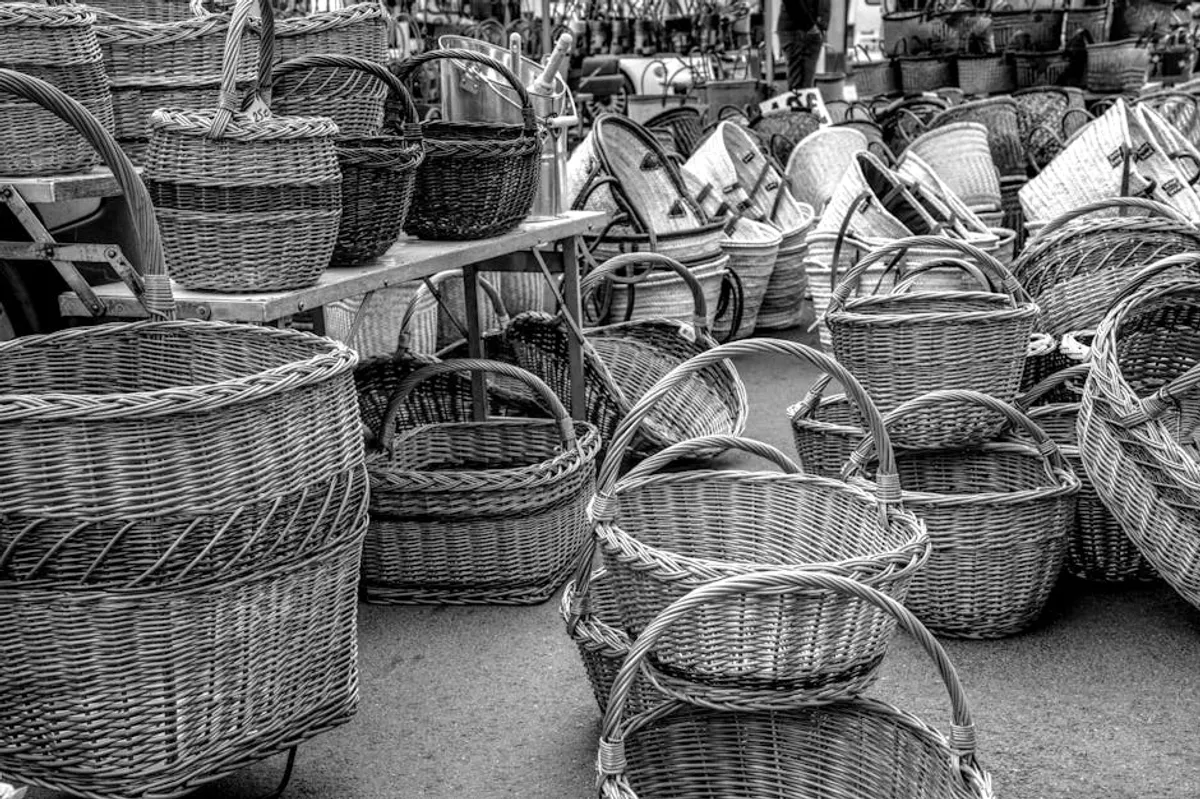
Navigating the market for Yokuts baskets requires a precise understanding of both their construction and the factors that dictate their commercial value. For collectors, appraisers, or those considering a sale, accurately identifying an authentic Yokuts piece and assessing its worth is crucial. The distinct weaving techniques, traditional materials, and diagnostic design motifs differentiate genuine articles from imitations or misattributed pieces, directly impacting acquisition costs and resale potential. This guide details the specific characteristics to look for and the valuation criteria that inform market prices, providing a framework for informed engagement.
Distinguishing Characteristics of Yokuts Baskets
Authentic Yokuts baskets exhibit specific material choices, construction methods, and design elements that are key to their identification. These attributes are not merely aesthetic; they reflect the cultural practices and available resources of the Yokuts people.
Materials and Construction Fidelity
Yokuts basketry primarily utilizes plant fibers native to California’s Central Valley. The most common materials include willow shoots for the foundation coils, sedge grass root (Carex barbarae) for the light-colored stitching, and bracken fern root (Pteridium aquilinum) for the dark, often black, design elements. The quality of the weave is a critical indicator: Yokuts baskets are renowned for their exceptionally tight, fine coiling, often with 8-12 stitches per inch, creating a dense, durable surface. The coiling generally proceeds in a clockwise direction, a detail often overlooked but significant for expert identification. The rim finish is typically a self-rim, where the final coil is neatly tapered and bound, or occasionally reinforced with a simple oversewn finish.
Form and Functional Typology
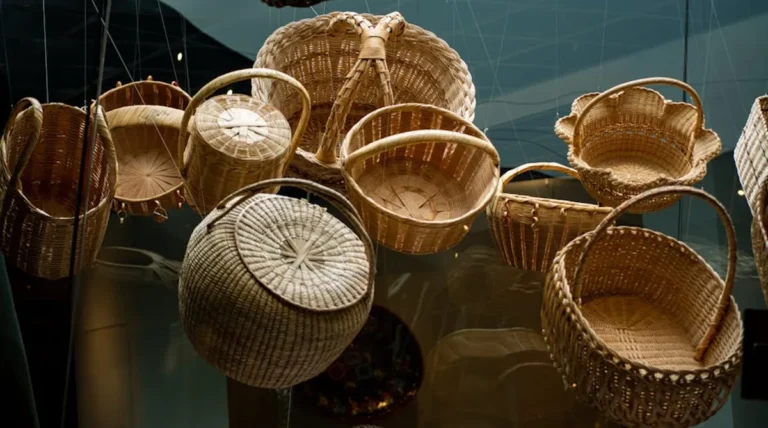
The shape of a Yokuts basket frequently indicates its original purpose, which in turn can influence its desirability and value. Common forms include:
- Deep bowls: Used for cooking with hot stones, storage, or general utility. These often have a wide mouth and rounded base.
- Trays or Winnowing Baskets: Broad, shallow forms, sometimes with a slight curve, designed for processing acorns, seeds, or other foodstuffs. Their robust construction was essential for enduring repetitive motion.
- Gambling Trays: Distinctive, shallow, often conical or saucer-shaped baskets used in traditional games. These frequently feature intricate, bold designs on the interior surface.
- Gift or Ceremonial Baskets: Often smaller, more finely woven, and adorned with particularly elaborate designs, intended for special occasions or as prestige items.
The consistency of the basket’s form, without significant warping or collapse, speaks to its original craftsmanship and subsequent care.
Diagnostic Designs and Patterns
Yokuts basket designs are highly recognizable, characterized by strong geometric patterns, zoomorphic figures, and human representations. These motifs are typically executed in dark bracken fern root against a lighter sedge background. Key patterns to observe include:
- Rattlesnake bands: Zigzagging or diamond patterns that evoke the skin of a rattlesnake.
- Quail topknots: Distinctive U-shaped or fan-like elements.
- Human and animal figures: Stylized depictions of people, birds, or other animals, often arranged in rows or radiating from a central point.
- Geometric bands and chevrons: Repetitive, structured patterns that encircle the basket.
The clarity, symmetry, and complexity of these designs are crucial. A well-executed design with crisp lines and balanced composition adds significantly to a basket's artistic and commercial merit.
Factors Influencing Yokuts Basket Value
Beyond identification, several key factors determine the market value of a Yokuts basket. These elements are assessed by collectors and appraisers to establish a fair market price.
Condition and Structural Integrity
The physical condition of a Yokuts basket is paramount to its value. Baskets in excellent, original condition, showing minimal wear, fading, or damage, command the highest prices. Specific issues that diminish value include:
- Breaks or splits: Any damage to the coils, rim, or stitching.
- Unraveling: Loose or detached stitches.
- Fading: Discoloration of natural dyes or materials due to light exposure.
- Loss of elements: Missing design components or foundation coils.
- Repairs: While some period repairs can be acceptable, modern or amateur repairs often detract significantly.
- Insect damage: Evidence of moths, beetles, or other pests.
- Dirt and grime: Accumulated surface dirt or embedded residues.
A basket that retains its original shape, color vibrancy, and structural soundness is always more valuable than one requiring extensive restoration.
Provenance and Documentation
A clear, verifiable history of ownership, or "provenance," significantly enhances a basket's value. Documentation such as original purchase receipts, collector notes, exhibition records, or photographs of the basket in a historical context provides crucial authentication and adds to its story. Baskets from well-known historical collections or those with documented use by specific Yokuts families often fetch higher prices due to their historical and cultural significance.
Rarity and Artistic Merit
The uniqueness of a basket's design, its exceptional craftsmanship, and the overall artistic impact contribute to its rarity and, consequently, its value. Baskets with unusual forms, highly complex or unique patterns, or an exceptionally fine weave often stand out. While individual artists are rarely identified for older pieces, baskets attributed to known master weavers (through stylistic analysis or oral history) can command premium prices. The sheer visual appeal and the quality of execution are direct drivers of market demand.
Size and Scale
Generally, larger Yokuts baskets, particularly those with intricate designs that maintain their artistic integrity across a broader surface, tend to be more valuable. The effort and skill required to produce a large, finely woven basket were substantial. However, exceptionally small, perfectly executed examples, especially those with rare designs or forms, can also be highly prized by collectors for their miniature artistry.
Pro Tip: When evaluating a Yokuts basket, always inspect both the interior and exterior surfaces thoroughly under good light. Use a jeweler's loupe (10x magnification) to examine stitch count, material integrity, and the precision of design elements. Pay close attention to the rim and base, as these areas often show the first signs of wear or damage.
Practical Steps for Assessment
Approaching a basket for identification and valuation requires a methodical process.
Visual Inspection Protocol
Begin with a comprehensive visual assessment. Look for consistency in material and weave across the entire piece. Compare design motifs to known Yokuts examples in reputable texts or museum collections. Note any anomalies in color, texture, or pattern that might suggest repair or non-authentic origins. Document all observations, including dimensions, weight, and any visible damage or repairs, with detailed photographs.
Consulting Experts and Resources
For definitive identification and valuation, consulting a qualified expert is indispensable. Reputable appraisers specializing in Native American art, particularly California basketry, can provide authoritative assessments. Institutions like university anthropology departments, major museums with Native American collections, or well-established auction houses often have specialists who can offer guidance or referrals. Referencing academic publications, museum catalogs, and auction records provides comparative data for valuation.
Informed Acquisition and Stewardship
Understanding the nuances of Yokuts basket identification and value empowers collectors and enthusiasts to make informed decisions. Beyond the financial considerations, recognizing the artistry and cultural significance of these pieces fosters a deeper appreciation and promotes responsible stewardship. Prioritize thorough research, meticulous inspection, and, when in doubt, expert consultation to ensure the authenticity and appropriate valuation of any Yokuts basket.
Frequently Asked Questions
How can I be sure a basket is genuinely Yokuts?
Authenticating a Yokuts basket involves examining specific materials (willow, sedge, bracken fern root), a tight clockwise coil, diagnostic geometric and figural designs, and the overall quality of the weave. Consulting a specialist in California Native American basketry for expert verification is highly recommended.
What is the most important factor for a Yokuts basket's value?
While multiple factors contribute, the basket's original condition and structural integrity are often the most critical. A piece with minimal damage, fading, or repairs will generally command a significantly higher value than a compromised example, even if other attributes are strong.
Should I clean an antique Yokuts basket if it's dirty?
Generally, no. Cleaning antique baskets, especially with water or chemical solutions, can cause irreversible damage to the fibers, dyes, and structural integrity. It is always best to consult a professional conservator specializing in ethnographic textiles or basketry before attempting any cleaning or restoration.
Where can I find reliable valuation services for Yokuts baskets?
Seek out appraisers who are members of recognized professional appraisal organizations and specialize in Native American art or California Indian basketry. Reputable auction houses with dedicated Native American art departments can also provide valuation services, often for a fee.