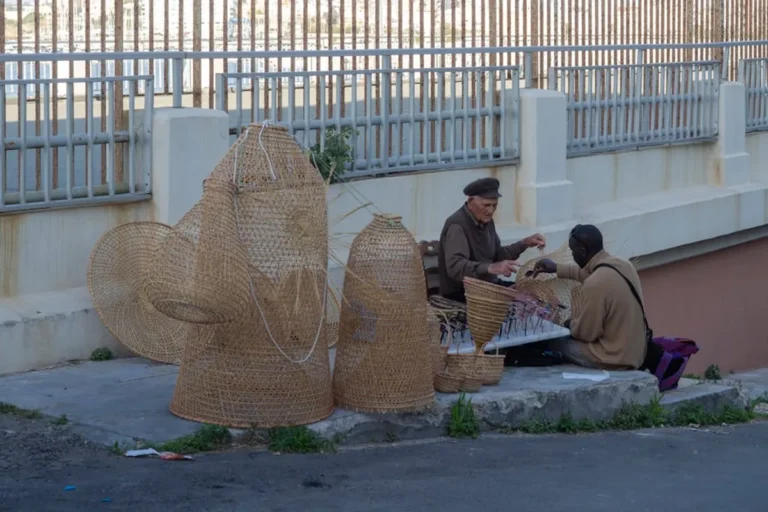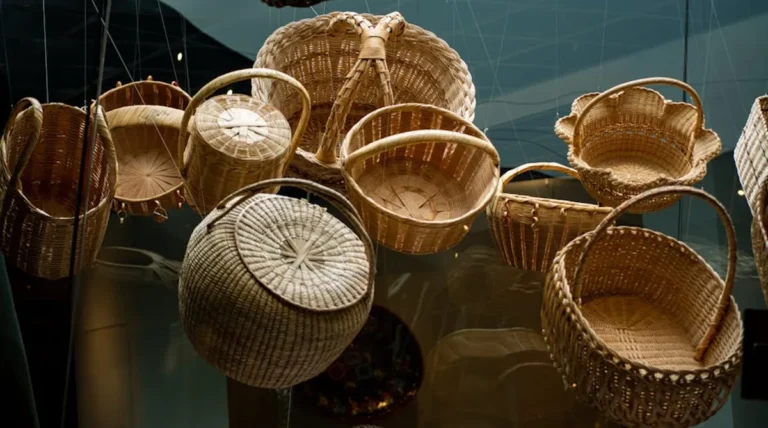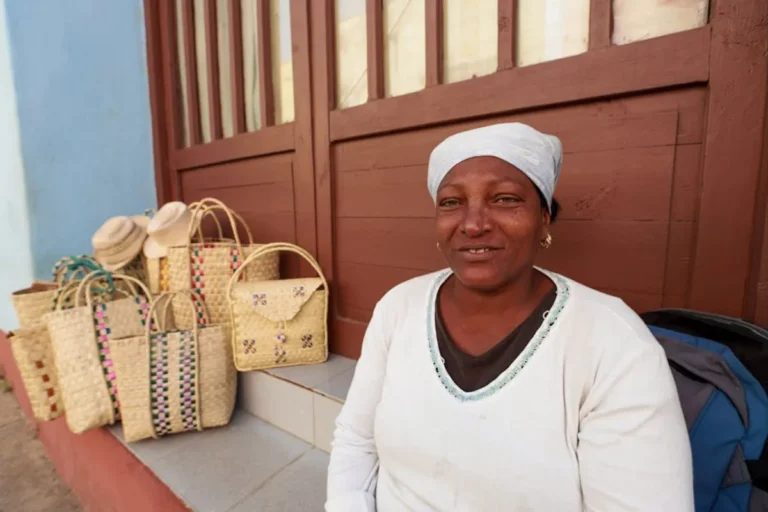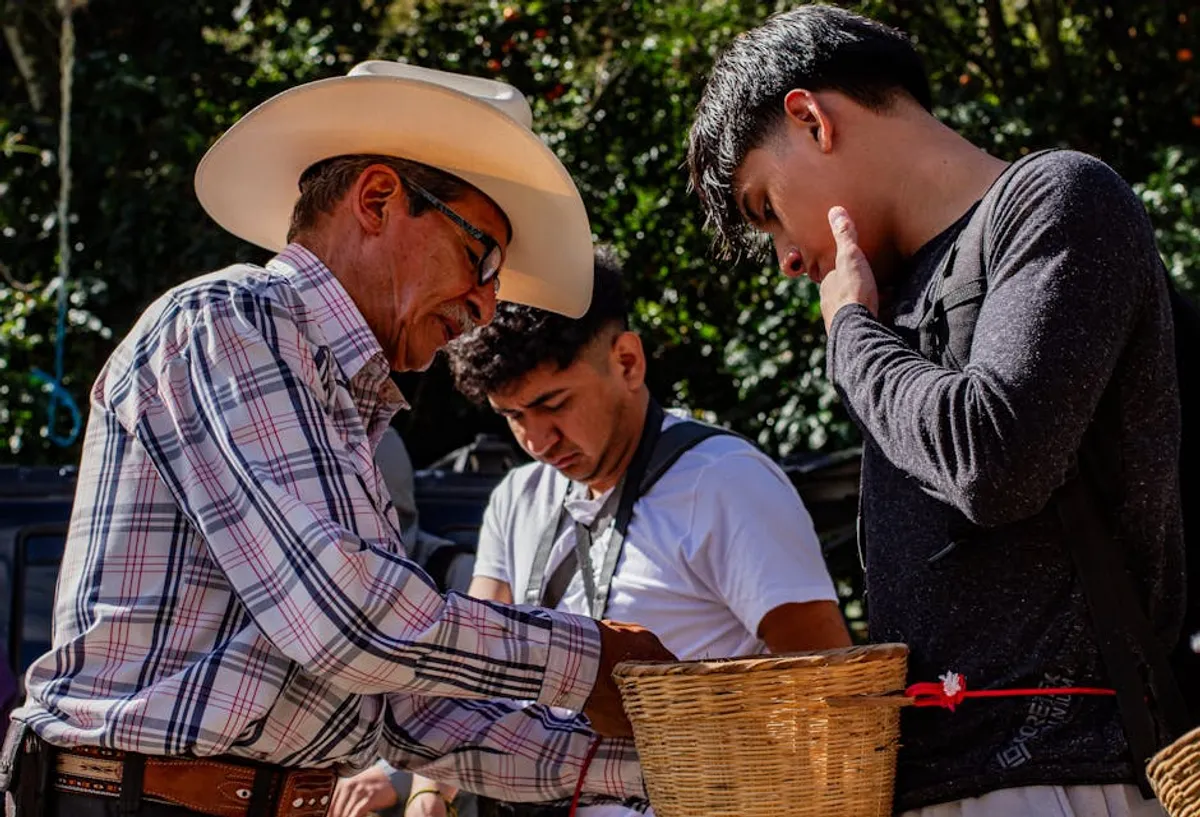
Seminole baskets represent a distinct and historically rich craft tradition, offering a tangible connection to the cultural heritage of the Seminole people. Understanding their history and diverse styles is crucial for collectors, cultural enthusiasts, and anyone seeking to appreciate the intricate artistry and resilience embedded in these functional and decorative objects. These baskets are not merely containers; they are narratives woven from natural fibers, reflecting centuries of adaptation, resourcefulness, and artistic expression within the Florida and Oklahoma Seminole communities. Their unique construction, material choices, and evolving forms provide a specific lens through which to examine indigenous craftsmanship and its enduring commercial and cultural significance.
The Origins and Evolution of Seminole Basketry
The tradition of Seminole basket weaving is deeply rooted in the natural environment of the Florida Everglades and surrounding regions. Early Seminole communities relied on locally sourced materials for crafting essential tools and household items, with baskets serving a multitude of purposes from food storage and preparation to carrying goods. The craft evolved not just as a utilitarian skill but as an art form passed down through generations, embodying cultural knowledge and identity.
Historically, basketry was a communal activity, often involving women who gathered materials, prepared them, and meticulously wove them into various forms. The techniques and styles were influenced by available resources and interactions with other indigenous groups and later, European settlers. Post-removal to Oklahoma, Seminole basketry continued, adapting to new environments and materials, though the Florida tradition remains distinct due to its unique ecosystem.
Key Materials and Construction Techniques
Seminole baskets are primarily distinguished by their use of specific natural fibers and two dominant construction methods: coiling and plaiting. These techniques dictate the basket’s structure, texture, and aesthetic appeal.
- Sweetgrass (Muhlenbergia sericea): This fine, aromatic grass is a hallmark of Florida Seminole coiled baskets. It is gathered, dried, and then stitched together in tight coils, often around a core of palmetto fiber. The delicate nature of sweetgrass allows for intricate patterns and precise shaping.
- Palmetto (Sabal palmetto): The leaves and stems of the sabal palmetto are versatile. Strips of palmetto fronds are used for plaiting, creating sturdy, utilitarian baskets. The inner fibers of the palmetto stem, known as "swamp cabbage," often serve as the foundation or core for coiled sweetgrass baskets, providing structural integrity.
- Coontie (Zamia integrifolia): While less common today, coontie root fibers were historically used, particularly for their strength and durability, in certain basket types.
Coiled Baskets: Artistry in Sweetgrass
Coiled sweetgrass baskets are perhaps the most recognizable style of Seminole basketry. These are created by coiling bundles of sweetgrass, often around a palmetto fiber core, and then sewing the coils together with a separate strand of fiber, frequently palmetto or raffia. The stitches can be tight and invisible, or deliberately decorative, creating patterns such as herringbone or zigzags. The fine nature of sweetgrass allows for complex designs and varied forms, from shallow trays to lidded containers. The natural variations in sweetgrass color, from pale green to golden brown, are often incorporated into the design, creating subtle shifts in tone.
Plaited Baskets: Utilitarian Forms
Plaited baskets, typically made from palmetto fronds, are constructed by interweaving strips of material over and under each other. This technique results in a more rigid and often coarser texture compared to coiled baskets. Plaited baskets were historically used for practical purposes such as carrying produce, storing clothing, or sifting grains. Their designs tend to be simpler, focusing on geometric patterns derived from the weaving process itself, such as checkerboard or twill patterns. The durability of palmetto makes these baskets highly resilient.
Distinctive Forms and Patterns
Seminole baskets come in a variety of forms, each often associated with a specific function or aesthetic preference. Common forms include:
- Lidded Baskets: Ranging from small, tightly woven sewing baskets to larger storage containers, these feature a fitted lid, often with a knob or handle.
- Sewing Baskets: Characterized by their compact size and often elaborate coiling, these were highly prized for storing sewing implements and thread.
- Trays and Bowls: Shallow, open forms used for serving or display, demonstrating the flexibility of the coiling technique.
- Utility Baskets: Larger, sturdier plaited baskets designed for heavy-duty use.
Patterns in Seminole baskets are typically geometric, achieved through the manipulation of stitches in coiled baskets or the weaving sequence in plaited ones. While natural dyes were historically used to introduce color, many traditional baskets rely on the natural hues of the materials to create visual interest.
Pro Tip for Authenticity: When evaluating Seminole baskets, pay close attention to the consistency of the weave, the tightness of the coils or plaiting, and the quality of the materials. Authentic, older baskets often show signs of natural wear consistent with their age and use, but the underlying craftsmanship should remain evident. Contemporary artisans maintain high standards, so look for a signature or maker's mark where applicable, especially for newer pieces.
Cultural Significance and Contemporary Craft
Beyond their aesthetic and functional qualities, Seminole baskets hold deep cultural significance. They represent continuity with ancestral practices, a connection to the land, and a powerful expression of Seminole identity. The act of creating these baskets is often a meditative process, linking the artisan to generations of weavers before them.
Today, Seminole basketry continues to thrive, with contemporary artists preserving traditional techniques while sometimes incorporating modern sensibilities. Supporting these artisans directly helps maintain this vital cultural practice and ensures the transmission of knowledge to future generations. The market for Seminole baskets includes both antique pieces, valued for their historical context and rarity, and modern creations, appreciated for their craftsmanship and cultural relevance.
Appreciating and Collecting Seminole Baskets
For collectors and enthusiasts, understanding the nuances of Seminole basketry enhances appreciation and informs acquisition decisions. Factors influencing value include age, condition, rarity of specific forms or patterns, and the reputation of the weaver if known. Preservation is also key; proper storage away from direct sunlight and extreme humidity helps maintain the integrity of the natural fibers.
Engaging with Seminole basketry means recognizing it as a living art form. It connects individuals to a rich cultural narrative, offering insights into indigenous lifeways and the enduring power of craft. Whether for display, study, or as a tangible link to history, these baskets offer a unique and valuable contribution to the world of traditional arts.
Frequently Asked Questions
What materials are typically used in Seminole baskets?
Seminole baskets are predominantly made from natural fibers native to Florida, primarily sweetgrass (for coiled baskets) and palmetto fronds (for both coiled cores and plaited baskets). Historically, coontie root fibers were also used.
How can I distinguish between coiled and plaited Seminole baskets?
Coiled baskets are made by sewing together bundles of grass or fiber in a spiral, resulting in a flexible, often intricate structure with visible stitches. Plaited baskets are made by interweaving strips of material, creating a more rigid, often geometric pattern.
Are Seminole baskets still made today?
Yes, the tradition of Seminole basketry is alive and well. Contemporary Seminole artisans continue to create baskets using traditional techniques, often passing their skills down through families and exhibiting their work at cultural events and galleries.
What makes Seminole baskets unique compared to other indigenous basketry?
Seminole baskets are distinguished by their specific use of sweetgrass and palmetto, particularly the highly refined coiled sweetgrass technique. Their forms and patterns often reflect the unique environmental resources and cultural practices of the Florida and Oklahoma Seminole people.