Opal inlay jewelry, particularly in the Native American style, presents a unique confluence of traditional craftsmanship and contemporary material. For collectors and buyers, understanding the distinct characteristics of this art form is crucial for making informed decisions. This guide details the elements that define Native American style opal inlay, from the origins of the materials to the specific techniques employed by artisans, providing a framework for evaluating authenticity and quality.
Understanding Native American Inlay Artistry
Native American jewelry has a rich history rooted in specific tribal traditions, materials, and techniques. While opal, especially lab-created varieties, is a more recent addition compared to turquoise or coral, its integration into traditional inlay methods showcases an evolving art form. The "Native American style" refers to the aesthetic and silversmithing practices passed down through generations, often reflecting cultural narratives and spiritual connections to the land.
Traditional Silversmithing Techniques
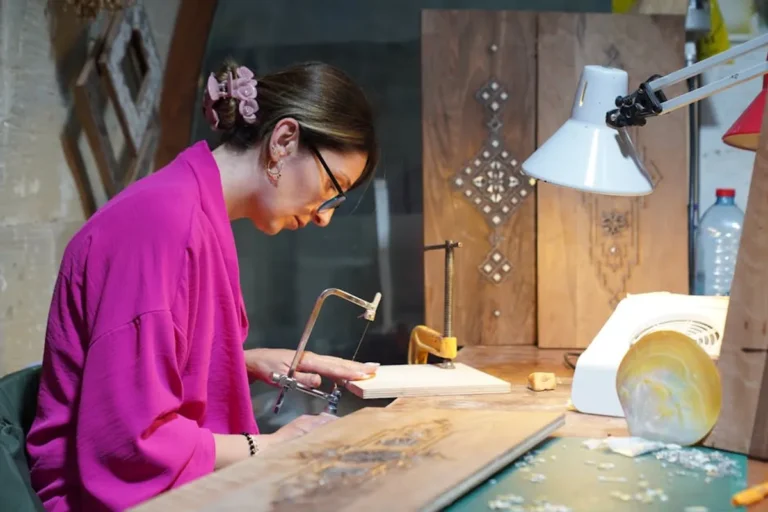
The foundation of much Native American jewelry, including inlay pieces, lies in skilled silversmithing. Sterling silver (.925) is the predominant metal. Techniques such as casting, stamping, and filing are employed to shape the metal framework that holds the inlay. For opal inlay, the most common technique is channel inlay, where thin strips of silver create individual compartments or "channels" into which precisely cut pieces of opal are set. Other methods include:
- Stone-to-Stone Inlay: Larger, custom-cut pieces of opal are fitted together with minimal silver separation, creating a seamless mosaic.
- Mosaic Inlay: Similar to stone-to-stone but often uses smaller, irregularly shaped pieces to form a pattern or image.
- Flush Inlay: The opal pieces are ground and polished flush with the surrounding silver, creating a smooth, uninterrupted surface.
The precision of these techniques, especially the tight fit of the opal pieces and the smooth finish, is a key indicator of skilled craftsmanship.
Motifs and Symbolism
Native American style jewelry often incorporates specific motifs that carry cultural or spiritual significance. While contemporary opal inlay pieces might feature more abstract or geometric designs, traditional influences can still be seen. These might include:
- Geometric patterns symbolizing natural elements or tribal narratives.
- Animal figures representing strength, wisdom, or protection.
- Abstract representations of celestial bodies or landscapes.
Understanding the potential symbolism can add a layer of appreciation for the piece, though not all contemporary designs explicitly carry traditional meanings.
The Role of Opal in Inlay Jewelry
Opal's vibrant play-of-color makes it a striking choice for inlay work. However, buyers should be aware of the different types of opal used, as this significantly impacts durability, appearance, and value.
Natural vs. Lab-Created Opal
The majority of opal used in contemporary Native American style inlay jewelry is lab-created (also known as synthetic opal). While chemically identical to natural opal, lab-created opal is grown in controlled environments, resulting in more uniform color patterns and greater durability. Natural opal, formed over millions of years, often exhibits a more irregular and unique play-of-color but can be more fragile and susceptible to changes in humidity.
Pro Tip: When considering opal inlay, always inquire whether the opal is natural or lab-created. Both are legitimate materials, but their characteristics and market value differ. Lab-created opal offers consistent vibrancy and enhanced resistance to cracking, making it a practical choice for inlay work where small, precisely cut pieces are required.
Imitation opal, which is typically plastic or glass designed to look like opal, is generally not used in authentic artisan-made jewelry and lacks the optical properties of true opal.
Care and Longevity of Opal Inlay
Opal, whether natural or lab-created, requires specific care to maintain its beauty. It is a relatively soft gemstone (5.5 to 6.5 on the Mohs scale) and can be susceptible to damage. Inlay pieces, with their multiple small components, need particular attention.
- Avoid Impact: Opal can crack or chip if struck. Remove inlay jewelry before engaging in activities where it might be exposed to impact.
- Chemicals: Harsh chemicals, including household cleaners, perfumes, and hairsprays, can damage opal or the silver setting. Remove jewelry before cleaning or applying cosmetics.
- Moisture and Heat: While lab-created opal is more stable, extreme temperature changes or prolonged immersion in water can still affect the integrity of the inlay, potentially loosening pieces or causing the silver to tarnish more rapidly.
- Cleaning: Clean opal inlay jewelry with a soft, damp cloth. Avoid ultrasonic cleaners or steam cleaners, which can cause damage.
Practical Considerations for Acquisition
When acquiring Native American style opal inlay jewelry, several factors contribute to its value and authenticity. Focusing on these details will help ensure a purchase that aligns with your expectations for craftsmanship and material quality.
Identifying Authentic Craftsmanship
Look for hallmarks or artist signatures. Many Native American jewelers stamp their work with a unique mark, their initials, or their tribal affiliation. These marks provide provenance and indicate that the piece is artisan-made. While not all pieces are signed, the presence of a clear hallmark adds a layer of assurance regarding its origin and maker.
Examine the precision of the inlay work. Tightly fitted opal pieces with minimal gaps, a smooth surface where the opal meets the silver, and a well-finished back are indicators of high-quality craftsmanship. The silver work itself should be clean, with no rough edges or visible tool marks that detract from the overall aesthetic.
Value Drivers
The value of opal inlay jewelry is influenced by several factors:
- Artist Reputation: Pieces by renowned or collectible Native American artists often command higher prices.
- Material Quality: The quality of the sterling silver and the vibrancy and consistency of the opal (whether natural or lab-created) play a role.
- Complexity of Design: Intricate patterns, detailed channel work, or unique artistic interpretations can increase value.
- Condition: Well-preserved pieces with no damage to the opal or silver will retain more value.
Frequently Asked Questions
Is all opal in Native American style jewelry natural?
No, a significant portion of opal used in contemporary Native American style inlay jewelry is lab-created. Lab-created opal offers consistent color and enhanced durability, making it suitable for intricate inlay work.
How do I clean my opal inlay piece?
Clean opal inlay jewelry gently with a soft, damp cloth. Avoid harsh chemicals, ultrasonic cleaners, or prolonged exposure to water, as these can damage the opal or the silver setting.
What does a hallmark signify on Native American jewelry?
A hallmark, often an artist's signature, initials, or tribal affiliation stamp, provides provenance for the piece. It indicates the maker and helps authenticate the craftsmanship as artisan-made.
Is lab-created opal less valuable than natural opal?
Generally, natural opal, particularly high-quality specimens, holds a higher intrinsic value due to its rarity. However, lab-created opal is a valuable material in its own right, prized for its consistent beauty and durability, especially in inlay applications. Its value is determined by its quality, the craftsmanship of the piece, and the artist.