Shell jewelry represents a profound and enduring artistic tradition within Native American cultures, extending far beyond simple adornment. These pieces serve as tangible links to ancient trade networks, spiritual beliefs, and sophisticated artistic practices. Understanding the specific materials, intricate craftsmanship, and deep cultural symbolism embedded in each item is essential for appreciating their true value and historical context. This article explores the foundational elements that define shell jewelry in Native American art, providing insights into its origins, construction, and ongoing significance.
Historical Roots and Enduring Significance
The use of shells in Native American art predates European contact by thousands of years, with archaeological evidence pointing to extensive trade and craftsmanship across North America. Shells, particularly those sourced from coastal regions, traveled vast distances inland, becoming highly prized commodities. Their inherent beauty, durability, and scarcity elevated them to a status of wealth, power, and spiritual connection. Early forms included simple beads, pendants, and gorgets, evolving into more complex carved effigies and intricate inlay work over millennia. The continuous presence of shell jewelry across diverse tribal groups underscores its fundamental role in cultural expression and identity.
Primary Shell Materials and Their Cultural Roles
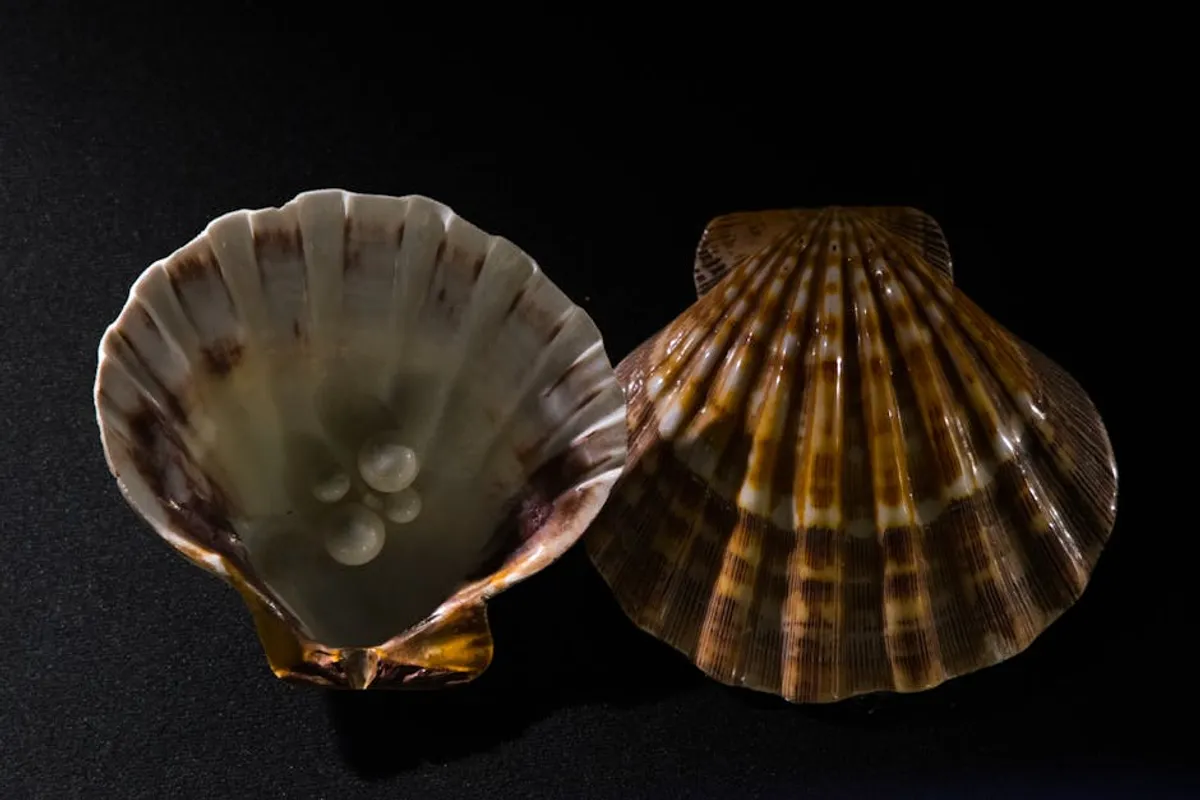
Different shell types held distinct values and applications, often dictated by availability and cultural significance. The selection of a particular shell was rarely arbitrary, carrying specific symbolic weight and aesthetic properties. Each material contributed unique qualities to the finished artwork.
- Wampum (Quahog and Whelk Shells): Primarily associated with Northeastern tribes, particularly the Haudenosaunee (Iroquois) and Algonquian peoples. Purple and white beads, meticulously ground and polished, were woven into belts and strings. Wampum served as a mnemonic device for treaties, historical records, and ceremonial gifts, signifying agreements, authority, and mourning.
- Abalone Shell: Revered by Pacific Coast tribes for its iridescent interior. The shimmering quality was often linked to water, spirits, and the celestial. Abalone was carved into pendants, earrings, and inlays for masks and rattles, particularly by groups like the Haida, Tlingit, and Kwakwakaʼwakw.
- Conch Shell (Busycon): Sourced from the Gulf Coast and traded extensively throughout the Southeast and Midwest. Large conch shells were carved into elaborate gorgets, pendants, and earspools, depicting complex mythological figures, warriors, and cosmological symbols. The Mississippian culture, in particular, produced highly sophisticated conch shell art.
- Olivella Shell: Small, abundant shells used extensively for beads and decorative elements across various regions, particularly the Southwest and California. Their natural shape made them ideal for stringing into necklaces, bracelets, and fringes, often dyed or combined with other materials.
- Clam and Mussel Shells: More common and widely available, these were often used for utilitarian items like spoons, scrapers, and less elaborate personal adornment, though polished and carved examples exist.
Artistry and Techniques in Shell Adornment
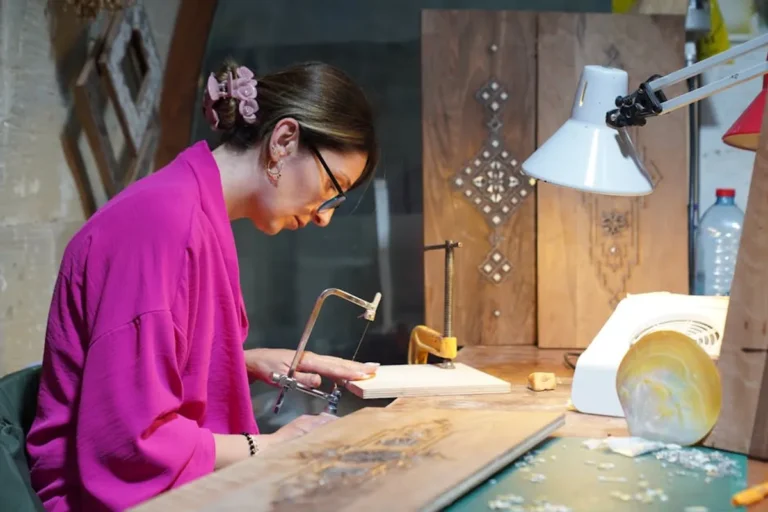
The creation of shell jewelry involved specialized knowledge and labor-intensive techniques. Craftspeople demonstrated remarkable skill in transforming brittle, curved shells into durable and aesthetically refined objects. Basic techniques included grinding, drilling, and polishing, often using stone tools, sand, and water. More advanced methods involved intricate carving, etching, and inlay. For example, the precise cutting and fitting of small shell pieces into wood, bone, or other shells created mosaic effects that highlighted contrasting colors and textures. The development of specialized drills, often rotated with a bow or pump, allowed for the creation of fine perforations and complex shapes, showcasing a mastery of material properties and design principles.
Pro Tip: When evaluating shell jewelry, pay close attention to the consistency of drilling, the precision of carving lines, and the smoothness of polished surfaces. Authentic, historically significant pieces often exhibit a high degree of manual artistry and subtle imperfections that machine-made reproductions lack. Researching the specific cultural context and traditional motifs associated with a piece's purported origin can also help in assessing its authenticity.
Regional Expressions and Collectible Value
The styles, motifs, and applications of shell jewelry varied significantly between different Native American cultural areas. The intricate geometric patterns of the Southwest, the zoomorphic and anthropomorphic carvings of the Northwest Coast, and the complex iconographic narratives of the Mississippian cultures each offer distinct artistic vocabularies. These regional variations contribute to the collectible value of shell jewelry, as pieces from specific periods or tribal origins often command higher interest due to their unique historical and artistic merit. Collectors and enthusiasts frequently seek out pieces that represent particular cultural traditions or demonstrate exceptional craftsmanship, recognizing their significance as both art and cultural artifacts.
Preserving Authenticity and Legacy
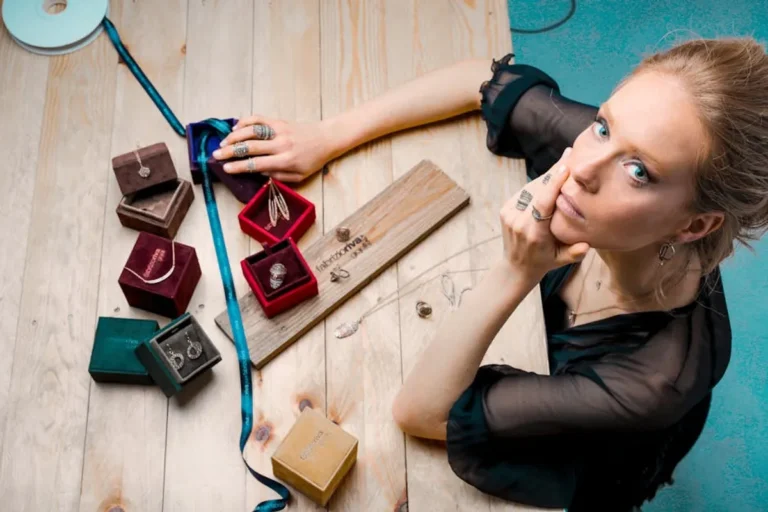
The market for Native American shell jewelry includes both historical artifacts and contemporary creations. For historical pieces, proper provenance and ethical acquisition are paramount. Contemporary Native American artists continue to work with shell, often blending traditional techniques with modern aesthetics, ensuring the continuity of this art form. Supporting these artists contributes to the preservation of cultural knowledge and economic empowerment within Native American communities. Understanding the journey of a shell from its natural state to a finished piece of jewelry provides a deeper appreciation for the artistry, resourcefulness, and spiritual connection inherent in Native American material culture.
Navigating the Legacy of Shell Jewelry
Engaging with Native American shell jewelry requires an informed perspective that values both its aesthetic appeal and its profound cultural weight. Recognize that each piece tells a story of tradition, innovation, and connection to the natural world. Prioritize learning about the specific tribal groups and their artistic conventions. This knowledge not only enriches appreciation but also supports responsible engagement with this significant art form. The intricate details, material choices, and symbolic representations embedded in shell jewelry offer a window into the diverse and rich artistic heritage of Native American peoples.
Frequently Asked Questions
What is wampum and why was it important?
Wampum consists of polished beads made from quahog (purple) and whelk (white) shells, primarily used by Northeastern Native American tribes. It was crucial for recording treaties, historical events, and ceremonial exchanges, serving as a form of currency and a symbol of authority and agreement.
How can I identify authentic Native American shell jewelry?
Authenticity often involves assessing the craftsmanship, material consistency, traditional motifs, and provenance. Look for evidence of hand-tooling, natural wear patterns, and designs consistent with known tribal art forms. Consulting with experts or reputable dealers specializing in Native American art is recommended.
What types of shells were most commonly used in Native American art?
Commonly used shells include quahog and whelk (for wampum), abalone, conch (especially Busycon), and olivella. The specific shell types varied by region and availability, each holding distinct cultural and artistic significance.
How should I care for shell jewelry?
Shell jewelry requires careful handling as shells can be brittle. Avoid exposure to harsh chemicals, extreme temperatures, and prolonged direct sunlight. Clean gently with a soft, damp cloth and store in a stable environment to prevent damage.