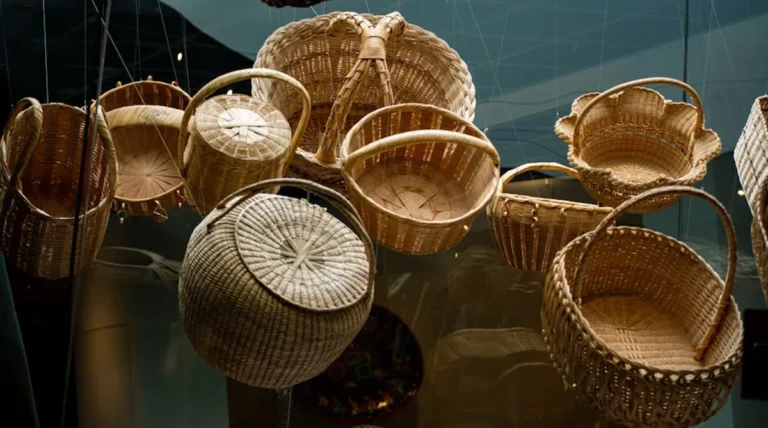
Haida baskets represent a pinnacle of Indigenous North American weaving, embodying centuries of cultural tradition and unparalleled craftsmanship. For collectors, understanding the intricate relationship between the materials employed and the subsequent market value is fundamental. This isn't merely about aesthetic appreciation; it involves a detailed assessment of raw materials, the labor-intensive processing techniques, and the artistic execution that collectively determine a basket's historical significance and financial worth. The decision to acquire a Haida basket requires an informed perspective on these elements to ensure both cultural respect and a sound investment.
The Foundation of Craft: Traditional Haida Basket Materials
The distinctive character and durability of Haida baskets stem directly from the indigenous materials meticulously gathered and prepared by weavers. These resources, primarily cedar bark and spruce root, are not simply raw components but carry cultural significance and dictate the structural and aesthetic possibilities of each piece.
Cedar Bark: The Primary Weave
Western Red Cedar (Thuja plicata) bark forms the backbone of many Haida weaving traditions. Harvested during specific seasons to ensure optimal pliability, the outer bark is carefully removed, leaving the inner bark intact. This inner bark is then processed through a series of steaming, splitting, and drying stages, transforming it into pliable strips. The resulting material offers natural insect resistance and a distinctive aroma, contributing to the basket's longevity. Its inherent flexibility allows for broad, stable weaves, forming the primary structure of storage baskets, hats, and larger utilitarian items. The natural color variations, from reddish-brown to light tan, are often incorporated into the design, lending an organic depth.
Spruce Root: Strength and Fine Detail
Spruce roots, particularly from Sitka Spruce (Picea sitchensis), are prized for their exceptional strength, fine texture, and ability to be woven into watertight constructions. Harvesting spruce roots is a labor-intensive process, requiring careful excavation to preserve the long, unbroken strands. Once cleaned, the roots are split, pared, and often soaked or boiled to achieve maximum pliability. This meticulous preparation yields threads capable of extremely tight, intricate weaves, essential for creating fine-grained patterns, delicate rim finishes, and decorative overlays. Spruce root baskets are often characterized by their smooth, almost polished surface and their capacity to hold liquids, a testament to the weaver's skill in creating a near-impermeable structure.
Natural Dyes and Embellishments
While many Haida baskets showcase the natural hues of their materials, traditional dyes were also used to introduce color and pattern. Pigments were derived from local flora and minerals, such as huckleberry for purple, alder bark for reddish-browns, and iron-rich mud for black. These dyes were applied to spruce root strands, which were then woven into geometric patterns or figurative designs depicting clan crests, animals, or mythological beings. The rarity of certain dye sources and the labor involved in their preparation can influence a basket's historical context and, consequently, its collector value. Embellishments like dentalium shells or abalone pieces, though less common in weaving, further enhance the artistic and cultural narrative.
Evaluating Collector Value in Haida Baskets
Assessing the collector value of a Haida basket moves beyond simple material identification to a comprehensive evaluation of its historical, artistic, and physical attributes. Several key factors converge to determine a piece's standing in the market.
Rarity and Age: Historical Significance
Older baskets, particularly those predating the mid-20th century, often command higher values due to their scarcity and direct connection to earlier weaving traditions. Pieces attributed to known master weavers, especially those active during significant periods of cultural transition, hold particular historical weight. The specific period of creation can reflect different material processing techniques, design motifs, and cultural contexts, all contributing to desirability. For example, baskets from the late 19th and early 20th centuries, often created for trade, frequently exhibit a high degree of technical skill and artistic innovation.
Craftsmanship and Artistic Merit
The technical proficiency demonstrated in a basket is a primary driver of value. Collectors look for:
- Tightness and Consistency of Weave: Evenly spaced stitches, uniform tension, and a lack of gaps indicate masterful control.
- Symmetry and Form: A well-balanced shape, whether cylindrical, conical, or rectangular, reflects intentional design and skilled execution.
- Complexity of Design: Intricate patterns, especially those with precise color changes or detailed iconography, demonstrate advanced weaving techniques.
- Finish Quality: Neatly finished rims, bases, and joins without loose ends or irregularities are hallmarks of superior craftsmanship.
The artistic merit extends to the originality and cultural resonance of the design, with traditional Haida motifs often being highly prized.
Condition and Provenance
The physical state of a basket directly impacts its value. Minimal damage, such as breaks in the weave, fading of dyes, or material loss, is preferred. Restorations, while sometimes necessary for preservation, generally reduce collector value unless executed by an expert and clearly documented. Provenance, the documented history of ownership, is equally critical. A clear, verifiable lineage, especially if the basket has been part of a notable collection, exhibited in a museum, or documented in scholarly publications, significantly enhances its appeal and authenticity. This historical record provides context and confirms the item's origin and journey.
Market Dynamics and Authentication
The market for Haida baskets is influenced by supply, demand, and prevailing aesthetic trends. Reputable dealers, specialized auction houses, and cultural institutions play a vital role in establishing market benchmarks and ensuring ethical acquisition. Authentication by recognized experts in Indigenous art is paramount. These specialists can identify materials, verify weaving techniques, and assess cultural context, providing a crucial layer of confidence for collectors.
Pro Tip for Collectors: Always seek expert authentication for high-value Haida baskets. Verifying provenance and confirming the use of traditional materials and techniques through a recognized cultural institution or accredited Indigenous art appraiser mitigates risks and affirms the cultural integrity of the piece.
Preserving Haida Basket Heritage
Responsible collecting extends beyond acquisition to the careful preservation of these cultural treasures. Proper care ensures the longevity of the basket and respects the legacy of its maker.
Store baskets in stable environmental conditions, ideally with controlled humidity (around 45-55%) and temperature (65-75°F). Avoid direct sunlight, which can cause significant fading of natural dyes and material degradation. Handle baskets minimally, always with clean hands, and support their structure to prevent stress on the weave. Avoid applying any cleaning agents or polishes unless specifically advised by a conservator specializing in ethnographic materials. Ethical collecting also involves understanding the cultural context of the baskets and, where possible, supporting contemporary Indigenous artists through direct purchase or reputable galleries that work directly with communities.
Frequently Asked Questions About Haida Baskets
What makes a Haida basket valuable?
Value is primarily driven by age, the rarity of materials, the exceptional skill and artistic merit of the weaver, the basket's overall condition, and its documented provenance. Pieces by known master weavers or those with significant historical context often command higher prices.
How can I identify authentic Haida baskets?
Authenticity is best determined by examining the materials (cedar bark and spruce root), the weaving techniques (tight, consistent weave, specific traditional patterns), and the overall craftsmanship. Consulting with a reputable Indigenous art dealer, appraiser, or cultural institution is crucial for verification.
Where are Haida baskets typically found for sale?
Authentic Haida baskets can be found through specialized Indigenous art galleries, reputable auction houses focusing on ethnographic art, and occasionally through private collections. It is advisable to purchase from sources with established expertise and transparent provenance.
Do modern Haida baskets hold collector value?
Yes, contemporary Haida baskets, especially those created by acclaimed living artists who uphold traditional techniques while sometimes incorporating modern interpretations, can hold significant collector value. Their value is based on the artist's reputation, the quality of their work, and the ongoing demand for their pieces.