
Onyx jewelry crafted with Native American designs offers a distinct blend of aesthetic appeal and cultural depth. For collectors, retailers, and enthusiasts, understanding the specific characteristics of these pieces is essential for appreciating their value and ensuring authenticity. This article explores the unique properties of onyx, its role within Native American artistry, and the design elements that define these compelling works, providing a framework for informed engagement with this specialized market segment.
The Cultural and Material Significance of Onyx
Onyx, a chalcedony quartz, is characterized by its parallel bands, most commonly appearing as black and white, though pure black onyx is frequently used in jewelry. Its deep, often polished sheen provides a striking contrast to the intricate silverwork and vibrant stones often associated with Native American artistry. While turquoise and coral are primary stones in many tribal traditions, onyx has found its place, particularly in contemporary designs, for its grounding symbolism and visual impact.
In various cultural contexts, onyx is attributed with properties of protection, strength, and grounding. This symbolism resonates with the worldview often expressed in Native American art, where materials are chosen not only for their beauty but also for their inherent meaning and connection to the natural world. Its use can signify resilience and a connection to the earth, making it a powerful choice for adornment.
Distinctive Native American Design Elements in Onyx Jewelry
Native American jewelry, even when incorporating materials like onyx, draws heavily on established tribal aesthetics and techniques. The designs are not monolithic; they reflect the diverse traditions of tribes such as the Navajo, Zuni, and Hopi, each bringing unique interpretations to the craft. While specific tribes are more historically associated with certain stones, the adaptability of artisans has led to beautiful onyx creations.
Common Motifs and Artistic Techniques
Designs often feature geometric patterns, symbolizing elements of nature or spiritual concepts. Animal totems, such as bears, eagles, or wolves, are frequently depicted, representing qualities like strength, wisdom, or freedom. Natural elements like feathers, leaves, or celestial bodies are also integrated, reflecting a deep respect for the environment.
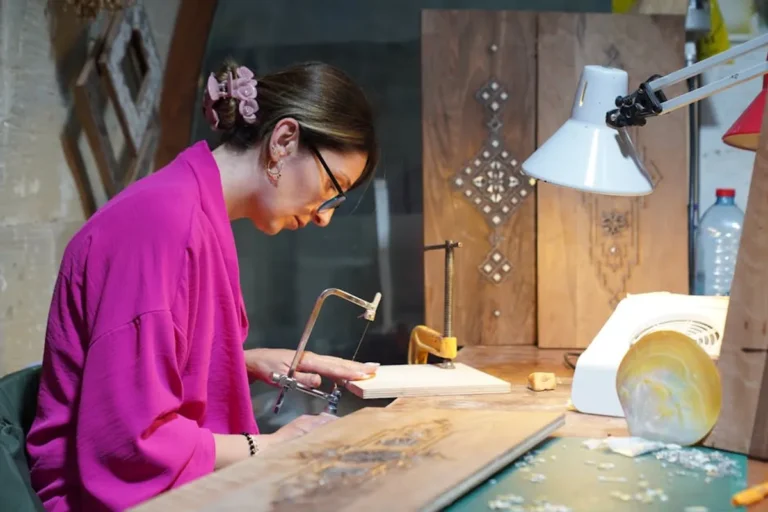
The craftsmanship typically involves sterling silver, often hand-stamped, filed, or shaped. Techniques include:
- Inlay: Precisely cut pieces of onyx are fitted into silver channels, often alongside other stones like turquoise or mother-of-pearl, creating a smooth, mosaic-like surface.
- Bezel Setting: Onyx cabochons (polished, unfaceted stones) are secured by a metal strip that wraps around their edge, holding them firmly in place.
- Channel Inlay: Similar to inlay, but the stones are set flush within silver channels, creating distinct lines and patterns.
- Overlay: A technique where two layers of silver are used, with the top layer cut out to reveal the bottom layer, creating a contrasting design. Onyx might be set within these cut-out areas.
The choice of technique often dictates the final aesthetic, from the bold, sculptural look of large bezel-set onyx to the intricate, detailed patterns of inlay work.
Pro Tip: When evaluating onyx jewelry, pay close attention to the precision of the stone cutting and the quality of the silverwork. Clean, tight bezels and smoothly integrated inlay pieces indicate skilled craftsmanship. Irregular gaps or poorly finished edges can suggest lower quality.
Ensuring Authenticity and Quality
Identifying authentic Native American onyx jewelry requires attention to several details. The market includes a range of pieces, from handcrafted originals to mass-produced imitations. Genuine pieces often carry specific indicators of origin and quality.
Hallmarks and Material Verification
Many Native American artisans use hallmarks or signatures to identify their work. These marks can be initials, symbols, or full names, and researching them can often lead to information about the artist and their tribal affiliation. While not all pieces are signed, the presence of a known hallmark adds significant provenance.
Onyx itself should be examined for natural characteristics. Genuine black onyx is typically opaque and can display a very subtle banding if cut across the grain, though often it appears uniformly black. Dyed agates or synthetic materials can mimic onyx, but they may lack the specific density or natural variations. Sterling silver, the predominant metal, should be marked ".925" or "Sterling," indicating its purity.
Best for: Buyers seeking investment pieces or culturally significant items should prioritize pieces with verifiable artist signatures and clear material provenance.
Collecting and Maintaining Onyx Jewelry
Collecting onyx jewelry in Native American designs is a rewarding endeavor that benefits from informed care. Proper maintenance ensures the longevity and beauty of these pieces.
Care and Storage Recommendations
Onyx is a relatively durable stone but can be susceptible to scratches from harder materials. Store onyx jewelry separately from other pieces to prevent abrasion. Avoid exposing it to harsh chemicals, including household cleaners, perfumes, and hairsprays, as these can dull the stone's polish or damage the silver.
To clean, use a soft cloth dampened with mild soap and water. Gently wipe the onyx and silver, then rinse thoroughly with clean water and dry immediately with a soft, lint-free cloth. For intricate silverwork, a soft brush can help remove dirt from crevices. Avoid ultrasonic cleaners, which can sometimes damage certain stone settings or aged silver.
The value of these pieces is influenced by factors such as the artist's reputation, the age and condition of the piece, the complexity of the design, and the quality of the materials. Well-documented provenance and exceptional craftsmanship contribute significantly to long-term value.
Informed Engagement with Native American Onyx Jewelry
Engaging with onyx jewelry in Native American designs means appreciating a rich artistic tradition. Understanding the materials, techniques, and cultural significance allows for more informed purchasing decisions and a deeper connection to the artistry. Prioritize reputable sources, examine craftsmanship closely, and seek out pieces that resonate with both aesthetic preference and cultural integrity. This approach supports authentic artisans and preserves the heritage embedded in each unique creation.
Frequently Asked Questions
Is all black onyx natural?
No, not all black onyx is natural. While natural black onyx exists, much of the black onyx on the market is actually dyed agate, which is a form of chalcedony. This dyeing process is a common and accepted treatment to enhance color uniformity. Genuine natural black onyx is typically opaque and has a consistent, deep black color.
How can I verify the authenticity of Native American onyx jewelry?
Look for artist hallmarks or signatures, often stamped into the silver. Research these marks to identify the artist and their tribal affiliation. Examine the quality of craftsmanship, including precise stone cuts, secure settings, and clean silverwork. Purchase from reputable dealers who can provide provenance or certificates of authenticity.
What is the symbolism of onyx in Native American culture?
While specific meanings can vary, onyx is broadly associated with protection, strength, and grounding. Its deep color is often linked to the earth, offering a sense of stability and resilience. In contemporary Native American jewelry, it complements traditional stones and often signifies a connection to the natural world and inner fortitude.
What is the best way to clean and care for onyx and silver jewelry?
Clean onyx and silver jewelry with a soft cloth, mild soap, and warm water. Gently wipe the surfaces, rinse thoroughly, and dry immediately with a lint-free cloth. Avoid harsh chemicals, abrasive cleaners, and ultrasonic devices. Store pieces separately in a soft pouch or lined box to prevent scratches and tarnishing.