Turquoise and coral jewelry represents a distinctive aesthetic rooted deeply in the American Southwest, reflecting centuries of Indigenous artistry and cultural exchange. This style is not merely decorative; it carries historical narratives, spiritual significance, and the tangible skill of generations of artisans. For those seeking pieces that embody natural beauty and cultural depth, understanding the foundational elements of turquoise and coral, their origins, and the craftsmanship involved is essential. This knowledge informs appreciation and helps distinguish authentic, high-quality items that will endure as heirlooms.
The Enduring Appeal of Turquoise
Turquoise, a hydrated phosphate of copper and aluminum, has been prized for millennia across diverse cultures, from ancient Egypt to Persia. In the American Southwest, its significance is profound, often associated with protection, strength, and connection to the sky and water. Its color spectrum ranges from sky blue to apple green, influenced by the presence of copper (blue) or iron (green) within its composition.
The value and appearance of turquoise are significantly impacted by its origin and treatment. Mines like Sleeping Beauty (Arizona), Kingman (Arizona), and Lone Mountain (Nevada) have historically produced highly sought-after blue varieties, often with minimal matrix (the host rock visible within the stone). Persian turquoise, known for its intense blue and lack of matrix, also commands high prices. Greenish turquoise often originates from Nevada mines like Carico Lake or from areas with higher iron content.
Most turquoise undergoes some form of stabilization to enhance its durability and color retention. Natural, untreated turquoise, especially in larger, solid pieces, is rare and commands premium prices. Stabilization processes typically involve impregnating the stone with clear epoxy or plastic resins, which hardens it and prevents color change from skin oils or cosmetics. Reconstituted turquoise, made from ground-up turquoise fragments mixed with resin, is a lower-cost alternative, while dyed howlite or magnesite are common imitations. Identifying these distinctions is crucial for informed acquisition.
Coral's Role in Southwest Design
Red coral, primarily from the Mediterranean Sea, has been traded into the American Southwest for centuries, becoming an integral component of Indigenous jewelry. Its vibrant color provides a striking contrast to the cool blues and greens of turquoise and the luster of silver. Beyond its aesthetic appeal, coral holds cultural importance for many Southwestern tribes, often symbolizing life, energy, and protection.
The most common type of coral used in traditional Southwest jewelry is Corallium rubrum, or precious red coral. This material is distinguished by its intense, uniform red color and smooth texture when polished. Other coral varieties, such as pink coral (Angel Skin) or white coral, are also used, though less frequently in classic Southwest styles.
Ethical sourcing is a critical consideration for coral. Due to overharvesting and environmental concerns, the trade of certain coral species is regulated by CITES (Convention on International Trade in Endangered Species of Wild Fauna and Flora). While antique pieces predate these regulations, contemporary coral jewelry should ideally use responsibly harvested or antique coral to ensure sustainability. Buyers should inquire about the origin and ethical practices associated with new coral pieces.
Artisan Techniques and Metalwork
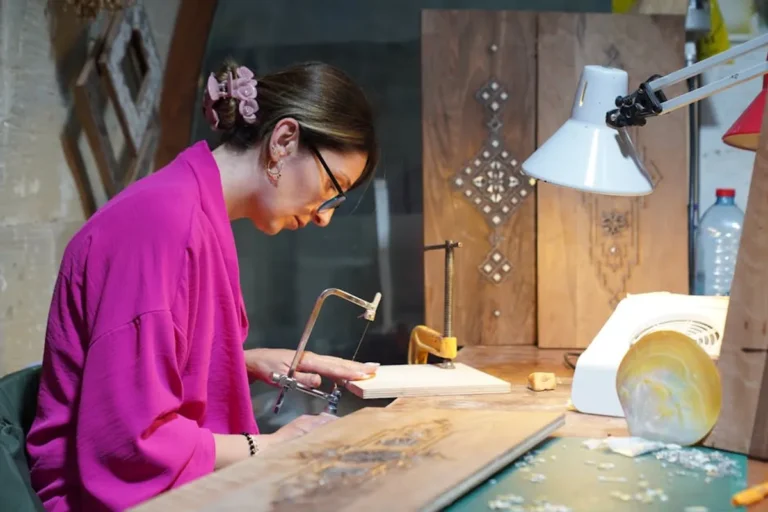
The metalwork in classic Southwest jewelry is predominantly sterling silver, valued for its malleability and ability to be finely detailed. Indigenous silversmiths have developed and perfected numerous techniques that define the style:
- Bezel Setting: The most common method for securing stones, where a thin strip of silver is wrapped around the stone's perimeter and then pushed over its edge, holding it in place.
- Stamping: Using hand-carved steel dies to impress patterns and textures onto silver sheets, creating decorative borders, motifs, and backgrounds.
- Repoussé and Chasing: Techniques used to raise designs from the back of a silver sheet (repoussé) and refine them from the front (chasing), adding three-dimensional depth.
- Appliqué: Cutting out separate silver designs and soldering them onto a base piece to create layered effects.
- Cluster Work: Arranging numerous small, often teardrop-shaped, stones around a central larger stone or in a symmetrical pattern, frequently seen in Zuni jewelry.
- Channel Inlay: Cutting stones to fit precisely into silver channels, creating a smooth surface where the silver acts as a divider between stones, a hallmark of Zuni and some Navajo work.
- Sandcasting: Pouring molten silver into molds made from compressed sand, producing textured, often heavier pieces with a distinctive granular surface.
These techniques, often combined, result in jewelry that is both robust and visually complex, showcasing the individual artisan's skill and interpretation of traditional designs.
Identifying Authentic Pieces
Authenticity in Southwest turquoise and coral jewelry is determined by several factors, including the quality of the stones, the purity of the silver, and the presence of artist hallmarks. Genuine pieces of sterling silver jewelry will typically be stamped "sterling," ".925," or "925." Beyond the metal, the quality of the stone cutting, consistency of color, and precision of the setting are indicators of skilled craftsmanship.
Pro Tip: When evaluating a piece, look for an artist's hallmark or signature. Many reputable Native American jewelers stamp their work, which adds to its provenance and value. While not all genuine pieces are signed, a clear hallmark provides a verifiable link to the maker and their tribe, offering an important layer of authenticity.
The finish of the silver also offers clues. Traditional pieces often feature an oxidized finish, which darkens recessed areas and highlights stamped or raised designs, lending an antique appearance. A uniform, bright polish can be found on contemporary pieces, but a lack of intentional oxidation on older-style pieces might suggest a newer origin or less traditional approach.
Preserving Your Southwest Jewelry
Proper care ensures the longevity and beauty of turquoise and coral jewelry. Both stones are relatively soft compared to diamonds or sapphires and can be damaged by harsh chemicals, extreme temperatures, or impacts.
For turquoise, avoid prolonged exposure to water, lotions, perfumes, and cleaning solutions, as these can alter its color or damage stabilization treatments. Clean turquoise gently with a soft, dry cloth. Coral is even more delicate; it is porous and can be damaged by acids, alcohol, and even prolonged exposure to sunlight, which can cause fading. Clean coral with a soft, damp cloth and mild soap if necessary, then dry immediately.
Sterling silver naturally tarnishes over time due to exposure to air and moisture. This tarnish can be removed with a silver polishing cloth or a specialized silver cleaning solution, taking care to avoid contact with the stones. Store turquoise and coral jewelry separately from other pieces to prevent scratching, ideally in a soft pouch or lined jewelry box, away from direct sunlight and humidity.
Appreciating the Craft
Collecting or wearing turquoise and coral jewelry is an engagement with a rich artistic tradition. Each piece tells a story through its materials, design, and the hands that shaped it. Understanding the nuances of stone quality, metalwork, and cultural context elevates the experience from mere adornment to a connection with history and artistry. Prioritizing authenticity and ethical sourcing ensures that this tradition continues to thrive for future generations.
Frequently Asked Questions About Turquoise and Coral Jewelry
How can I tell if turquoise is real?
Genuine turquoise often has a varying color saturation, natural matrix patterns, and a slightly waxy or dull finish when untreated. Imitations like dyed howlite or magnesite will have unnaturally uniform color and sometimes a tell-tale plastic-like feel. Advanced identification may require professional evaluation, especially for distinguishing between natural, stabilized, and reconstituted turquoise.
Is red coral jewelry still ethically sourced?
Ethical sourcing for red coral is a significant concern. Many species are protected by CITES. Reputable jewelers should provide information on the origin of their coral, indicating if it is antique/repurposed or sourced from sustainable, regulated fisheries. When purchasing new coral, inquire about its provenance to ensure it complies with environmental regulations.
How should I clean my sterling silver jewelry with turquoise and coral?
Use a soft, dry polishing cloth specifically designed for silver to gently buff away tarnish from the metal components, avoiding direct contact with the stones. For more stubborn tarnish, a mild silver cleaning solution can be used, but extreme care must be taken to prevent the solution from touching the turquoise or coral, as it can damage or discolor them. Never use ultrasonic cleaners or harsh chemical dips.
What makes a piece of Southwest jewelry valuable?
Value is determined by several factors: the quality and rarity of the turquoise or coral (e.g., natural, high-grade stones from specific mines), the intricacy and skill of the silversmithing (e.g., detailed stamping, fine inlay, artist hallmark), the age and provenance of the piece, and its overall condition. Pieces by renowned artists or those with significant historical or cultural context often command higher prices.