
Reconstituted turquoise presents a distinct category within the gemstone market, often encountered by buyers seeking the aesthetic appeal of turquoise at a different price point. Unlike natural turquoise, which forms organically in arid regions, reconstituted turquoise is a manufactured product. It typically comprises small fragments, dust, or low-grade natural turquoise material, pulverized and then bound together with a resin or epoxy. This process allows for the utilization of turquoise material that would otherwise be discarded, making it a sustainable choice in some contexts. For buyers, understanding this fundamental difference is crucial for evaluating its commercial utility, durability, and value proposition compared to its natural counterpart.
Understanding Reconstituted Turquoise Composition
The core of reconstituted turquoise is its engineered nature. The primary components are usually powdered or finely crushed natural turquoise, often of a quality unsuitable for direct cutting and polishing. This raw material is then mixed with various binding agents, which can include plastic resins, epoxy, or even dyes to enhance color consistency. The proportion of actual turquoise content can vary significantly, impacting the final product's characteristics and perceived value.
- Binding Agents: Common binders include epoxy resins, plastic polymers, and sometimes a mixture of these with other inert materials. The quality and type of binder influence the material's hardness, porosity, and resistance to chemicals.
- Color Stabilization: Dyes are frequently incorporated during the reconstitution process to achieve a uniform blue or green hue, or to mimic specific natural turquoise varieties. This can mask inconsistencies in the raw material and provide a more predictable color for commercial applications.
- Matrix Imitation: In some cases, other materials or pigments are added to simulate the natural matrix (veining) found in certain types of natural turquoise, further enhancing its resemblance to more expensive stones.
The manufacturing process involves high pressure and heat to fuse these components into a solid block, which is then cut and shaped like natural stone. This allows for the creation of larger pieces than might be feasible with natural, high-grade turquoise, expanding its potential uses in jewelry and decorative items.
Distinguishing Reconstituted from Natural Turquoise
For commercial buyers, accurately identifying reconstituted turquoise is paramount to avoid misrepresentation and ensure appropriate pricing. Several indicators can help differentiate it from natural, untreated turquoise:
Visual Cues: Reconstituted turquoise often exhibits a remarkably uniform color and texture, lacking the natural variations, inclusions, or unique matrix patterns characteristic of genuine turquoise. The color may appear unnaturally vibrant or "flat." Under magnification, a granular structure or tiny air bubbles trapped within the binder might be visible. The luster can also be more plasticky or resinous compared to the waxy, sub-vitreous sheen of natural turquoise.
Density and Weight: Due to the presence of binding agents, reconstituted turquoise can sometimes feel lighter or less dense than a comparably sized piece of natural turquoise, though this is not a definitive test without precise measurements.
Hardness: While the Mohs hardness of natural turquoise ranges from 5 to 6, reconstituted versions can vary. The binder's hardness can influence the overall scratch resistance, which may be lower or higher than natural stone depending on the specific formulation.
Pro Tip: Always scrutinize the consistency of color and matrix. Natural turquoise rarely displays perfect uniformity. Any piece with an unnaturally perfect, unblemished surface and highly consistent color should prompt further investigation into its origin and treatment.
Common Applications and Durability Considerations
Reconstituted turquoise finds extensive use in various commercial applications, particularly where cost-effectiveness and consistent appearance are priorities.
Best for:
- Fashion Jewelry: Its lower cost and ability to be produced in consistent shapes and colors make it ideal for mass-market jewelry, costume pieces, and accessories.
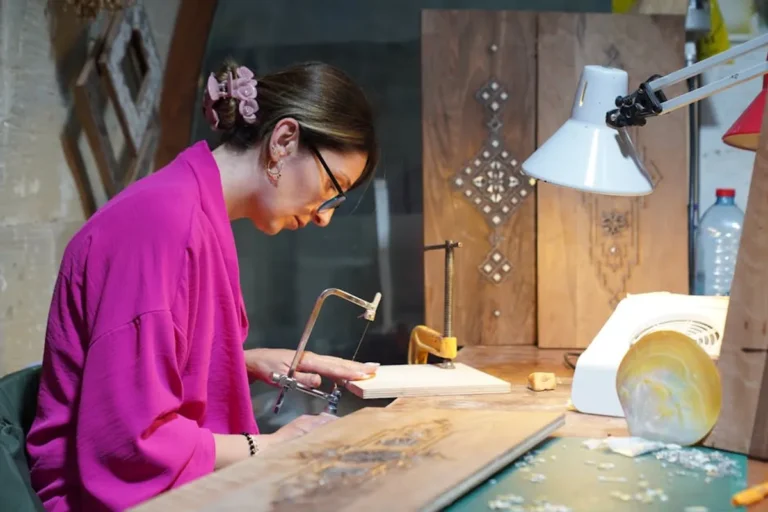
- Inlay Work: The material can be precisely cut and shaped, making it suitable for intricate inlay designs in furniture, musical instruments, and decorative objects.
- Crafts and Decorative Items: Used in various craft projects, sculptures, and home decor where the aesthetic of turquoise is desired without the expense of natural stone.
Durability is a key consideration. The binding agents in reconstituted turquoise can be susceptible to solvents, heat, and UV light over time. Exposure to harsh chemicals, perfumes, or prolonged direct sunlight can cause discoloration, degradation of the binder, or cracking. While generally more robust than very porous natural turquoise, its long-term stability depends heavily on the quality of its manufacture and subsequent care.
Pricing and Value Proposition
The primary commercial advantage of reconstituted turquoise is its significantly lower cost compared to natural, untreated turquoise. This price differential is a direct result of its manufacturing process, which utilizes otherwise unusable material and allows for mass production.
Key characteristic: Price point. Reconstituted turquoise typically sells for a fraction of the price of natural turquoise, making it accessible for a broader consumer base and enabling higher profit margins for manufacturers and retailers in certain market segments.
The value proposition for buyers lies in achieving the desired visual effect of turquoise without the premium associated with rarity and natural formation. For businesses, this translates to greater flexibility in product design and pricing strategies. However, it's critical for sellers to transparently disclose the nature of the material to consumers, as misrepresentation can lead to reputational damage and legal issues.
Care and Maintenance for Longevity
Proper care is essential to maintain the appearance and prolong the life of reconstituted turquoise items. Buyers should advise end-users on specific handling practices:
- Avoid Chemicals: Direct contact with household cleaners, solvents, perfumes, and cosmetics should be minimized, as these can degrade the binding agents and dull the surface.
- Temperature Control: Extreme heat can cause the resin to soften or discolor. Avoid prolonged exposure to direct sunlight or high temperatures.
- Cleaning: Clean gently with a soft, damp cloth. Abrasive cleaners or ultrasonic cleaners are not recommended, as they can damage the surface or compromise the integrity of the material.
- Storage: Store reconstituted turquoise jewelry separately from harder gemstones to prevent scratching. Keep it in a cool, dry place away from direct light.
Making an Informed Purchase Decision
When sourcing reconstituted turquoise, prioritize suppliers who provide clear documentation regarding the material's composition and treatment. Understand that while it offers an attractive aesthetic and cost advantage, it is not a direct substitute for natural turquoise in terms of inherent value or geological rarity. Evaluate your commercial needs: if consistent color, specific shapes, and a lower price point are paramount for your product line, reconstituted turquoise can be an effective choice. If the emphasis is on natural authenticity, investment value, or unique geological characteristics, natural turquoise remains the superior option. Transparent communication with your customers about the nature of the material will build trust and ensure satisfaction.
Frequently Asked Questions
Is reconstituted turquoise considered real turquoise?
No, reconstituted turquoise is not considered natural turquoise. It is a man-made product using natural turquoise fragments and a binding agent, making it an engineered composite material rather than a naturally formed gemstone.
Can reconstituted turquoise be damaged by water?
While often more stable than highly porous natural turquoise, prolonged exposure to water, especially chlorinated or chemically treated water, can potentially degrade the binding agents over time, affecting its appearance and integrity.
How can I tell if turquoise is reconstituted or natural?
Look for unnaturally uniform color, lack of natural matrix variations, and a potentially plastic-like sheen. Natural turquoise often has subtle color variations, natural inclusions, and a waxy luster. Professional gemological testing can provide definitive identification.
Is reconstituted turquoise less valuable than natural turquoise?
Yes, reconstituted turquoise is significantly less valuable than natural, untreated turquoise. Its value is primarily based on its aesthetic appeal and manufacturing cost, not its rarity or natural formation.