Zuni jewelry stands apart in the realm of Native American artistry, distinguished by its intricate stone-on-stone inlay work and meticulous use of small, precisely cut natural materials. Unlike the broader, often heavier silverwork characteristic of some other tribal traditions, Zuni pieces prioritize the mosaic arrangement of stones to create pictorial designs or complex geometric patterns. Understanding the specific techniques, materials, and cultural symbolism embedded in these pieces is critical for collectors, resellers, and anyone seeking to appreciate their inherent value and authenticity. The distinct Zuni approach to integrating natural elements into wearable art provides a unique market segment driven by craftsmanship, material quality, and cultural narrative. Collectors often compare Zuni pieces to Navajo jewelry traditions for a broader understanding of regional styles.
The Precision of Zuni Inlay Techniques
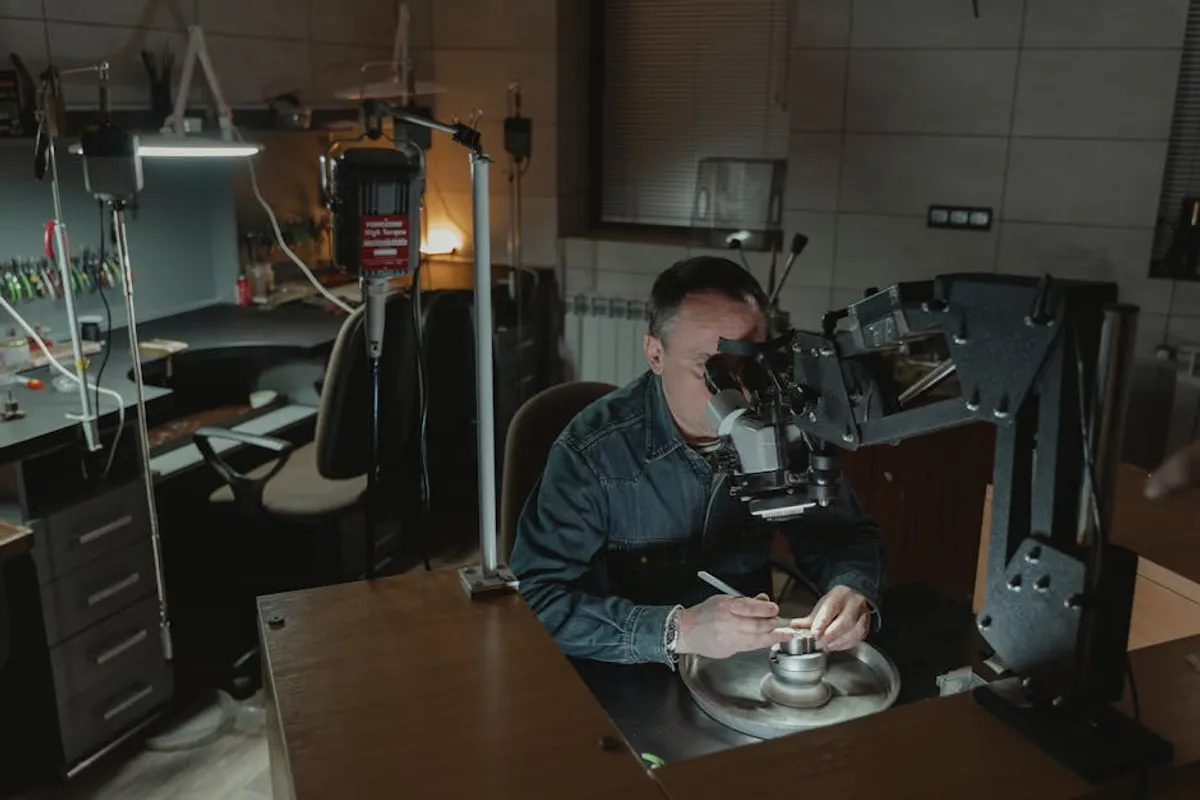
Zuni inlay is a hallmark of their jewelry, involving the precise cutting and fitting of multiple stones or shell pieces into a silver setting. This technique demands exceptional dexterity and patience, resulting in a smooth, unified surface where the individual components merge into a cohesive design. The value of an inlaid piece is directly tied to the precision of these cuts and the seamlessness of the fit, with minimal gaps or unevenness between pieces.
Channel Inlay
Channel inlay involves setting stones into narrow silver channels that separate each piece of material. The artist creates a design outline in silver, then meticulously cuts and grinds stones (or shells) to fit perfectly within these metal partitions. The silver acts as both a structural boundary and a design element, often polished flush with the stones to create a continuous, smooth surface. The quality of channel inlay is judged by the uniformity of the channels, the tight fit of the stones, and the overall polish that makes the surface appear as one solid entity.
Stone-to-Stone Inlay
Stone-to-stone inlay, sometimes referred to as mosaic inlay, represents an even higher level of precision. In this technique, individual pieces of stone or shell are cut and fitted directly against each other without metal separations. The challenge lies in achieving an exact, gap-free fit between dozens, sometimes hundreds, of tiny components. The resulting piece showcases the natural beauty of the stones in an uninterrupted flow, often forming detailed images like animal figures or ceremonial masks. The absence of visible silver lines between stones elevates the craftsmanship and, consequently, the market value, due to the increased labor and skill required.
Signature Stones and Their Cultural Significance
The Zuni artists are renowned for their discerning selection and masterful manipulation of natural stones and shells. The choice of materials is not merely aesthetic; each stone often carries cultural significance and contributes to the narrative of the piece.
- Turquoise: The most iconic stone in Zuni jewelry, turquoise is valued for its vibrant blue and green hues. Zuni artists often source high-grade turquoise from mines like Sleeping Beauty (known for its pure sky blue with little to no matrix), Kingman (ranging from light to dark blue, often with black matrix), or Morenci (famous for its deep blue with pyrite inclusions). The quality of turquoise—its color saturation, hardness, and minimal matrix—directly impacts a piece's value. Zuni use of small, precisely cut turquoise pieces in clusters (needlepoint, petit point) or inlay is distinctive.
- Coral: Typically red or orange, coral adds a striking contrast to turquoise and silver. Its use is often symbolic, representing lifeblood or energy. The deeper and more uniform the red, the more prized the coral.
- Jet: A deep black, fossilized wood, jet provides a dark, lustrous backdrop that makes other colors pop. It is often used to create outlines or dark areas in pictorial inlays, symbolizing protection or the night sky.
- Mother-of-Pearl (MOP): With its iridescent sheen, mother-of-pearl (from abalone or oyster shells) is used for its luminous quality, often representing water, clouds, or the moon. Its varied colors and natural patterns add depth to inlaid designs.
- Other Shells: Other shells like abalone, spiny oyster, and various clam shells are also incorporated for their unique colors and textures, contributing to the rich palette of Zuni inlay.
Pro Tip: When evaluating Zuni jewelry, inspect the individual stones for natural variations in color and matrix, which confirm authenticity. Uniformly colored, perfectly identical stones across a piece might indicate synthetic or treated materials, impacting its collectible value significantly.
Zuni Symbols and Their Cultural Resonance
Zuni jewelry is rich with symbolism, often depicting animals, ceremonial figures, and geometric patterns that reflect their spiritual beliefs and connection to the natural world. These symbols are not merely decorative; they convey meaning, protection, or blessings.
Animal Fetishes and Effigies
The Zuni are particularly known for their animal fetish carvings, but these animal forms also appear in inlay and other jewelry. Each animal carries specific attributes:
- Bear: Symbolizes strength, introspection, and healing.
- Wolf: Represents loyalty, family, and success in hunting.
- Eagle: Signifies wisdom, power, and connection to the heavens.
- Badger: Associated with perseverance and healing.
- Frog: Linked to rain, fertility, and abundance.
When these animal forms are meticulously rendered in inlay, they become powerful expressions of Zuni cosmology.
Sunface and Kachina Figures
The Sunface symbol, a circular design with a human-like face surrounded by feathers or rays, represents the sacred sun, life, and happiness. Kachina figures, stylized representations of spirit beings, are also common, embodying various aspects of the natural world and Zuni religious beliefs. These symbols are often rendered with intricate stone-to-stone inlay, using multiple materials to capture their distinct features and spiritual essence.
Assessing Zuni Jewelry Value
The market value of Zuni jewelry is determined by a combination of artistic merit, material quality, and provenance. Understanding these factors is essential for both buyers and sellers.
Artist Signature and Provenance
Signed pieces by renowned Zuni artists command higher prices due to their established reputation and consistent quality. A clear hallmark or artist's signature on the silver back or underside of a piece provides verifiable provenance. Documentation of the piece's history, such as purchase receipts or exhibition records, further enhances its value, especially for vintage or museum-quality items.
Craftsmanship Quality
This is paramount. Look for:
* Seamless Inlay: Stones should fit tightly with no visible gaps, uneven surfaces, or rough edges. The polish should be uniform across all materials and the silver. * Stone Cuts: Each stone should be precisely cut and shaped for its intended place, showing no chips or crude grinding marks. * Silverwork: The silver setting should be well-finished, sturdy, and free of tool marks, scratches, or tarnishing that compromises the design. The soldering should be clean and strong.
Material Purity and Rarity
The quality and rarity of the stones used significantly impact value. High-grade, natural turquoise from specific, now-closed mines (e.g., Bisbee, Lander Blue) will fetch a premium. Similarly, natural, untreated coral and high-luster mother-of-pearl contribute to a piece's desirability. Synthetic or heavily treated materials reduce value considerably.
Condition and Age
Pieces in excellent original condition—without missing stones, cracks, significant scratches, or repairs—are more valuable. Vintage Zuni jewelry, particularly from the mid-20th century, is highly sought after if it retains its original integrity and showcases the distinct styles of that era.
Practical Considerations for Collectors
When acquiring Zuni jewelry, prioritize authenticity and craftsmanship. Purchase from reputable dealers who can provide information about the artist and materials. For investment purposes, focus on signed pieces with documented provenance and exceptional inlay quality. For personal wear, consider the durability of the piece given its intricate construction; inlay can be delicate and requires careful handling to prevent stone loss or damage.
Frequently Asked Questions
How can I tell if Zuni jewelry is authentic?
Authentic Zuni jewelry often features a signature or hallmark from the artist or family. Look for meticulous craftsmanship: tight, seamless inlay without gaps, high-quality natural stones with variations in color and matrix, and well-finished silverwork. Avoid pieces with uniform, plastic-looking stones or crude construction.
What is the best way to clean Zuni inlay jewelry?
Clean Zuni inlay jewelry gently with a soft, damp cloth. Avoid harsh chemicals, ultrasonic cleaners, or abrasive polishes, as these can damage the stones, inlay adhesive, or tarnish the silver. For silver, use a jeweler's cloth specifically designed for tarnish removal, being careful to avoid the stones.
Is Zuni jewelry more valuable than Navajo jewelry?
Neither is inherently "more valuable" than the other; their value depends on individual piece quality, artist, materials, and age. Zuni jewelry is generally recognized for its intricate stone inlay and use of multiple, small stones, while Navajo jewelry often features larger stones and prominent silverwork. Both traditions produce highly collectible and valuable pieces.
Do Zuni artists use any other materials besides silver?
While silver is the primary metal for settings, Zuni artists occasionally incorporate gold or other alloys, particularly in contemporary pieces. However, the defining characteristic remains the intricate stone and shell work, regardless of the base metal.