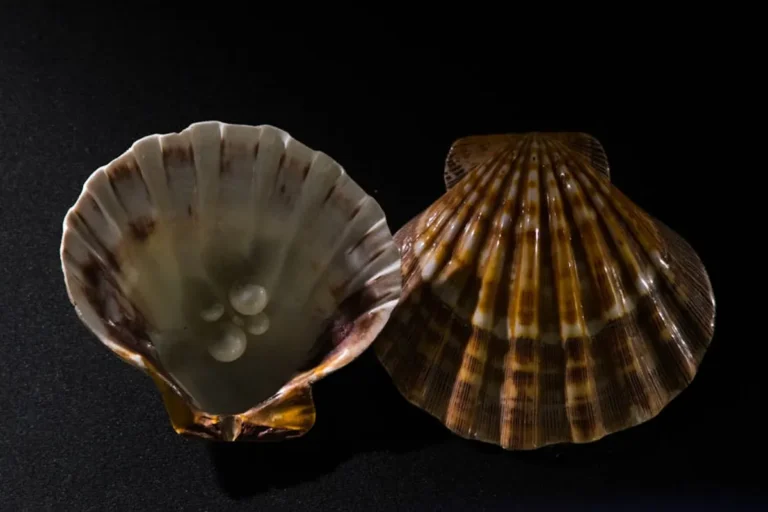
Spiny oyster jewelry captures attention with its vibrant hues and organic textures, presenting a unique choice for collectors and those seeking distinctive adornments. Unlike traditional gemstones, spiny oyster derives its appeal from the natural shell of the Spondylus princeps mollusk, offering a spectrum of colors from fiery oranges to deep purples. Understanding the origins, natural color variations, and key value determinants is essential for anyone looking to invest in or appreciate these pieces. This guide clarifies what makes spiny oyster jewelry distinct, helping buyers discern quality and authenticity in a market where natural beauty meets intricate craftsmanship.
Understanding Spiny Oyster Shells
Origins and Species
The primary source for spiny oyster jewelry is the shell of the Spondylus princeps mollusk, commonly found in the warm waters of the Gulf of California, Baja California, and along the Pacific coast of Mexico. This specific species is prized for its richly colored inner shell layers. Historically, these shells held significant cultural and ceremonial importance for pre-Columbian Mesoamerican civilizations, including the Aztec and Maya, who valued them as symbols of wealth, fertility, and connection to the divine. Their deep-sea origins and the challenge of harvesting them contributed to their perceived rarity and spiritual power.
Shell Characteristics and Formation
The exterior of the Spondylus princeps shell is characterized by prominent, sharp spines, which serve as a defense mechanism. These spines are typically removed during the preparation process for jewelry, revealing the smooth, polished inner layers. The shell itself is composed of calcium carbonate, and its vibrant coloration is a result of the mollusk's diet and the minerals present in its marine environment. Over time, these layers build up, creating the distinct patterns and color gradients that are highly sought after in jewelry. The natural variations in texture and thickness contribute to each piece's unique character.
The Spectrum of Spiny Oyster Colors
Natural Color Variations
Spiny oyster shells exhibit an impressive range of natural colors, making each piece unique. The most common and celebrated colors include:
- Oranges and Reds: Often the most vivid, these hues range from bright tangerine to deep, fiery crimson. They are particularly prized for their intensity and warmth.
- Purples: Varying from soft lavender to rich, deep violet, these colors add a regal and sophisticated touch.
- Yellows: Less common but equally striking, yellow spiny oyster can range from pale lemon to goldenrod.
- Whites and Creams: These provide a neutral backdrop, often showcasing subtle iridescence or serving as a contrast to more vibrant sections of the shell.
The distribution of these colors within a single shell can create striking patterns, often with distinct bands or blotches. Factors like the mollusk's age, diet, and specific marine habitat influence the exact shade and intensity of its shell color.
Color Enhancement and Treatment
While spiny oyster is celebrated for its natural colors, some pieces on the market may undergo treatments to enhance or alter their appearance. Dyeing is the most common method, used to intensify existing colors or introduce new ones. Stabilization, often involving resin, can improve the shell's durability and prevent chipping, particularly for thinner cuts. Reputable sellers will always disclose any treatments applied to the shell material. For buyers, understanding these potential enhancements is crucial for assessing value and ensuring the piece aligns with expectations for natural materials. Untreated, naturally vibrant shells typically command higher prices.
Pro Tip: When evaluating spiny oyster jewelry, observe the color saturation carefully. Exceptionally uniform or unnaturally bright colors, especially in shades not typically found in nature, can indicate dye treatment. Ask sellers for explicit disclosure regarding any color enhancements or stabilization processes.
Meaning and Symbolism in Jewelry
Cultural Significance
Beyond its aesthetic appeal, spiny oyster holds deep cultural significance, particularly among Native American tribes in the Southwestern United States. It has been used for centuries in ceremonial attire, adornments, and trade. For many, it symbolizes protection, good fortune, and a connection to the ocean and its life-giving forces. The vibrant colors are often associated with energy, passion, and spiritual vitality, making it a revered material in traditional jewelry designs.
Modern Interpretations
In contemporary jewelry, spiny oyster continues to be valued for its unique appearance and symbolic resonance. Designers often pair it with other natural materials like turquoise, coral, or sterling silver to create pieces that blend traditional aesthetics with modern sensibilities. Its bold colors make it a focal point, suitable for statement necklaces, earrings, and intricate inlay work. For wearers, it can represent individuality, a connection to nature, or an appreciation for artisanal craftsmanship.
Assessing the Value of Spiny Oyster Jewelry
Factors Influencing Shell Value
The value of the spiny oyster material itself is determined by several key characteristics:
- Color Saturation and Rarity: Deep, intense, and evenly distributed colors, especially rare purples and rich reds, are highly valued. Unique color combinations or patterns also increase desirability.
- Size and Integrity: Larger, unblemished pieces of shell with good thickness are more valuable than smaller or fractured sections. The absence of cracks, pits, or dull spots is crucial.
- Cut and Polish Quality: Expert cutting maximizes the shell's natural beauty, while a high-quality polish enhances its luster without compromising its organic texture.
Craftsmanship and Design
Beyond the shell, the overall craftsmanship significantly impacts the jewelry's value. This includes:
- Metalwork: The quality of the metal used (e.g., sterling silver, gold, or platinum) and the intricacy of its design. Hand-fabricated settings, detailed filigree, or precise bezel work add substantial value.
- Complementary Materials: The inclusion of high-quality gemstones like turquoise, lapis lazuli, or coral, and how well they are integrated into the design, can elevate the piece.
- Artisan Reputation: Jewelry created by renowned artists or those with a strong heritage in traditional techniques often commands a premium due to their skill and unique artistic vision.
Authenticity and Disclosure
For buyers, verifying authenticity is paramount. Ensure the seller provides clear information about the shell's origin and any treatments it may have undergone. Reputable jewelers will offer detailed descriptions and, if available, certifications of authenticity. Understanding whether a piece is natural, stabilized, or dyed directly impacts its perceived and actual value.
Caring for Your Spiny Oyster Jewelry
To maintain the beauty and longevity of your spiny oyster jewelry, handle it with care. Avoid prolonged exposure to direct sunlight, which can fade natural colors. Keep it away from harsh chemicals, perfumes, and hairsprays, as these can damage the shell's surface. Clean gently with a soft, damp cloth and mild soap, then dry thoroughly. Store pieces separately in a soft pouch to prevent scratches from other jewelry.
Making an Informed Choice
Selecting spiny oyster jewelry involves appreciating its natural beauty, understanding its cultural heritage, and evaluating the quality of both the shell and the craftsmanship. Prioritize pieces with vibrant, natural coloration, solid construction, and clear disclosures from the seller regarding any treatments. Whether you are drawn to its rich symbolism or its striking aesthetics, an informed approach ensures you acquire a piece that resonates with personal value and lasting appeal.
Frequently Asked Questions
What makes spiny oyster shell so colorful?
The vibrant colors of spiny oyster shells are primarily due to the mollusk's diet and the mineral content of its marine environment. These factors influence the pigments deposited during shell formation, creating the distinctive reds, oranges, purples, and yellows.
Is spiny oyster jewelry durable enough for everyday wear?
Spiny oyster shell is relatively durable, but it is still a natural organic material. It can be prone to scratching or chipping if subjected to hard impacts. It is generally suitable for regular wear but should be removed during strenuous activities or when exposed to harsh chemicals.
How can I tell if spiny oyster jewelry is authentic and not dyed?
Authentic, untreated spiny oyster often displays natural variations in color and subtle imperfections. Dyes can appear unnaturally uniform or bright, sometimes even pooling in cracks. Always purchase from reputable sellers who provide clear disclosures about any treatments or enhancements.
Does spiny oyster jewelry require special cleaning?
Yes, spiny oyster jewelry requires gentle care. Avoid abrasive cleaners, ultrasonic cleaners, and harsh chemicals. Clean with a soft, damp cloth and a mild soap solution, then rinse with clean water and dry immediately to preserve its luster and color.