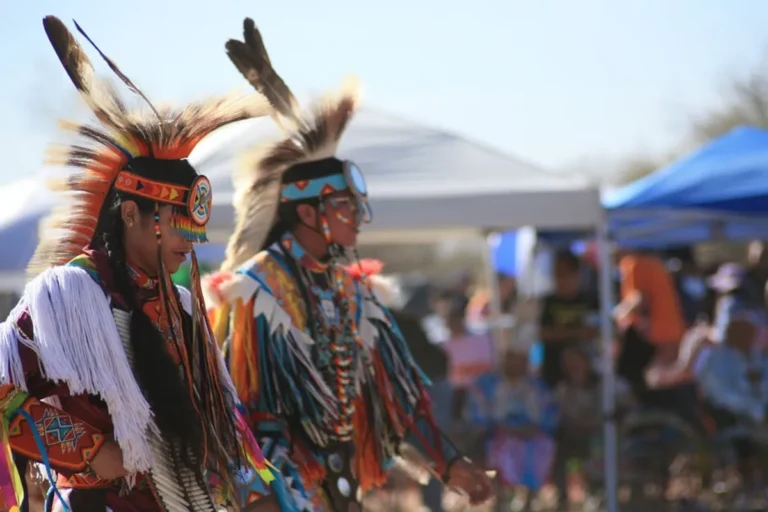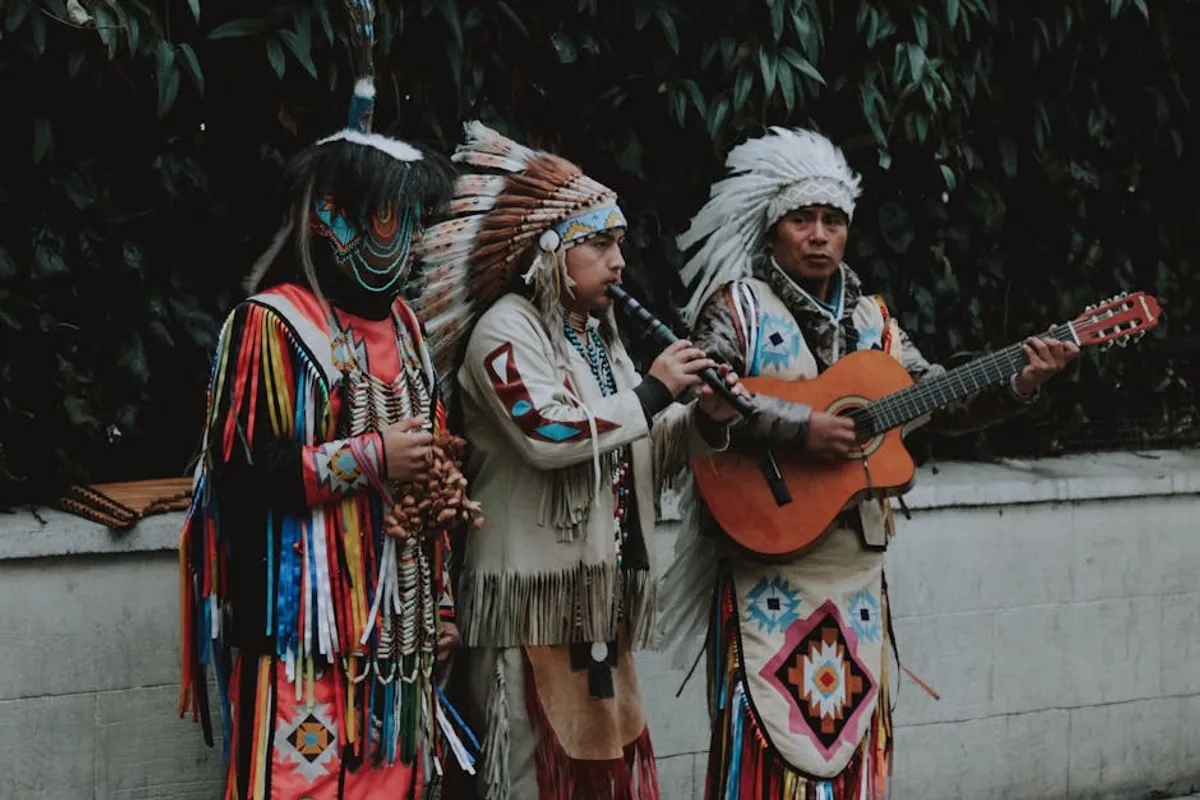
Native American beaded medallions are more than decorative items; they are tangible expressions of culture, identity, and history. Understanding their meaning and diverse styles is essential for anyone appreciating their artistry, considering their cultural significance, or engaging with them ethically. These medallions often serve as personal adornment, ceremonial objects, or markers of tribal affiliation, each bead and pattern carrying generations of stories and spiritual connection. Their aesthetic appeal is inextricably linked to the intricate knowledge and traditions embedded within their creation.
The Deep Meaning Behind Beaded Medallions
The significance of Native American beaded medallions extends far beyond their visual beauty. Each piece is a narrative, often reflecting the wearer's tribal identity, personal journey, or spiritual beliefs. They are frequently worn during ceremonies, powwows, or significant cultural events, acting as visual affirmations of heritage and community. The choice of colors, specific patterns, and incorporated motifs are rarely arbitrary; they often convey specific meanings understood within the cultural context of the originating tribe.
- Cultural Identity: Medallions often represent tribal affiliation, clan membership, or significant life achievements, serving as a wearable badge of identity.
- Storytelling: Patterns can depict historical events, creation stories, or personal narratives, preserving oral traditions in a visual format.
- Spiritual Connection: Many designs are imbued with spiritual meaning, offering protection, healing, or connecting the wearer to ancestors and the natural world. Animal motifs, for instance, often represent specific qualities or spiritual guides.
Traditional Materials and Construction Techniques
The craftsmanship involved in creating Native American beaded medallions is a testament to skill and patience. While contemporary artists may incorporate modern materials, traditional medallions rely on specific components and methods that have evolved over centuries.
Historically, beads were made from natural materials such as shells, bone, porcupine quills, seeds, and even copper. The introduction of glass seed beads by European traders in the 17th century revolutionized beadwork, offering a wider palette of colors and finer detail. These small glass beads, often sourced from Venice or Bohemia (modern-day Czech Republic), became a primary medium.
Common Materials:
- Glass Seed Beads: Available in various sizes (e.g., 10/0, 11/0, 13/0), these form the core of most beaded designs.
- Backing Materials: Stiffened leather (often brain-tanned deer or elk hide), rawhide, or sturdy canvas provide the foundation for the beadwork.
- Thread: Strong, waxed sinew (synthetic or natural) or nylon thread ensures durability.
- Edging: Often finished with a contrasting leather fringe, additional beads, or porcupine quills.
Key Stitching Techniques:
The method of applying beads significantly impacts the medallion's texture and appearance:
- Lazy Stitch: Characterized by parallel rows of beads, typically 4-7 beads long, sewn down in groups. This creates a ribbed texture and is common in Plains beadwork, allowing for bold, geometric designs.
- Peyote Stitch (Gourd Stitch): A flat, brick-like stitch where beads are staggered, creating a smooth, flexible surface. This stitch is often used for intricate patterns and can be worked in rounds for medallions.
- Overlay Stitch (Spot Stitch): Each bead is individually sewn down, allowing for highly detailed, curvilinear, and pictorial designs. This technique is more labor-intensive and results in a very flat, smooth surface.
Pro Tip: When evaluating or collecting Native American beaded medallions, prioritize understanding the specific tribal traditions and techniques. Authenticity is not solely about age, but about adherence to cultural practices, material use, and the artist's connection to their heritage. Inquire about the artist's background and the story behind the piece to ensure cultural respect and informed appreciation.
Diverse Styles and Regional Variations
The styles of Native American beaded medallions are as diverse as the tribes themselves, often reflecting regional aesthetics, available resources, and cultural narratives. While generalizations exist, individual artists and tribal groups maintain unique interpretations.
Plains Tribes
Medallions from Plains tribes (e.g., Lakota, Cheyenne, Crow) are often characterized by bold, geometric designs. These frequently feature strong contrasting colors like red, blue, white, and yellow, arranged in diamonds, squares, and cross patterns. The lazy stitch is commonly employed, giving the beadwork a distinctive ridged texture. Medallions can be quite large, designed to be worn prominently on the chest.
Great Lakes Tribes
Tribes from the Great Lakes region (e.g., Ojibwe, Potawatomi, Huron) are renowned for their intricate floral and curvilinear designs. These "woodland" patterns often mimic natural forms like leaves, flowers, and vines, rendered with a delicate hand. The overlay stitch is frequently used to achieve the smooth, detailed surfaces necessary for these organic motifs. Color palettes tend to be more varied and subtle than those of the Plains, incorporating shades of green, pink, and purple alongside traditional hues.
Southwestern Tribes
While beadwork is less central to some Southwestern traditions compared to weaving or silversmithing, tribes like the Navajo or Apache do create medallions. These often feature smaller, more intricate geometric patterns, sometimes incorporating symbols from their pottery or rug designs. Color palettes may reflect the natural desert landscape, with earthy tones, turquoise, and coral. The peyote stitch is common for achieving fine detail.
Contemporary Adaptations
Modern Native American artists continue to evolve the tradition of beaded medallions. While respecting ancestral techniques and meanings, many incorporate contemporary themes, materials, and artistic expressions. This can include using modern color palettes, abstract designs, or integrating beadwork with other art forms like painting or sculpture. These contemporary pieces maintain cultural relevance while pushing artistic boundaries.
Appreciating Craftsmanship and Heritage
Engaging with Native American beaded medallions requires an appreciation for the meticulous craftsmanship, the cultural narratives they embody, and the enduring heritage they represent. Each medallion is a labor of love, skill, and cultural transmission, connecting the past to the present. Understanding the specific meanings behind patterns, the regional stylistic differences, and the traditional techniques used enriches the experience, moving beyond mere aesthetic admiration to a deeper cultural respect. This informed perspective is vital for collectors, educators, and anyone seeking to honor the rich artistic traditions of Native American peoples.
Frequently Asked Questions
What is the primary purpose of a Native American beaded medallion?
Beaded medallions primarily serve as personal adornment, ceremonial objects, and symbols of tribal identity. They often convey spiritual meanings, protect the wearer, or commemorate significant life events, varying in specific purpose across different tribal traditions.
How can one identify different regional styles of medallions?
Regional styles are often distinguished by their dominant patterns (geometric for Plains, floral for Great Lakes), preferred color palettes, and specific beadwork techniques (e.g., lazy stitch for Plains, overlay stitch for Great Lakes). Researching the traditions of specific tribes within each region provides more detailed identification.
Are contemporary beaded medallions considered authentic?
Yes, contemporary beaded medallions created by Native American artists are authentic. Authenticity is tied to the artist's cultural connection, adherence to traditional techniques (even with modern interpretations), and the integrity of their artistic expression within their heritage, rather than solely on age or strict replication of historical designs.
What care do beaded medallions require to preserve them?
To preserve beaded medallions, store them out of direct sunlight to prevent bead fading and material degradation. Avoid exposing them to moisture or extreme temperature changes. Handle them minimally, and if cleaning is necessary, use a soft, dry brush to gently remove dust, never submerging them in liquid.