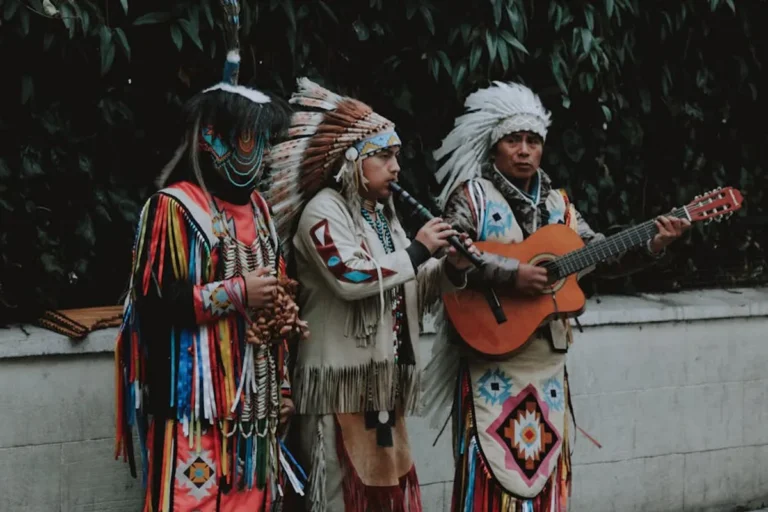
Lakota beadwork represents more than decorative art; it embodies a rich cultural narrative, historical documentation, and skilled craftsmanship. For collectors, understanding the specific patterns, materials, and techniques is paramount to assessing a piece's authenticity, artistic merit, and ultimately, its market value. The commercial appeal of these items stems directly from their cultural significance and the meticulous labor invested in their creation, making informed evaluation critical for both acquisition and appreciation.
Historical Depth and Cultural Markers
The practice of beadwork among the Lakota, and other Plains tribes, evolved significantly with the introduction of glass seed beads through trade routes, primarily from Europe, replacing earlier materials like porcupine quills, shells, and bone. This shift, beginning in the 19th century, allowed for finer detail and broader color palettes, transforming traditional designs. Each piece of beadwork often served as a visual language, communicating status, spiritual beliefs, personal achievements, and tribal identity. Recognizing these cultural markers provides a foundational layer for evaluating a piece beyond its aesthetic appeal, linking it to a specific time, place, and purpose within Lakota society.
Identifying Authentic Lakota Beadwork Patterns and Techniques
Authenticity in Lakota beadwork is often discernible through a combination of recurring patterns, specific color usage, and traditional stitching methods. Collectors prioritize pieces that clearly exhibit these characteristics, as they confirm cultural origin and artistic integrity.
- Geometric Motifs: Early Lakota beadwork frequently features strong geometric designs. Common elements include triangles, diamonds, squares, and crosses, often arranged in symmetrical or repeating patterns. The "box-and-border" style, with central geometric panels framed by contrasting borders, is particularly characteristic of 19th-century Lakota pieces. These designs often carry symbolic meanings related to the natural world, celestial observations, or spiritual concepts.
- Color Palettes: Traditional Lakota beadwork utilized a specific range of colors, often derived from natural dyes before the advent of commercial glass beads. With trade beads, vibrant hues like "Pony Trader Blue," "greasy yellow," white, red, and black became prominent. The arrangement and combination of these colors are not arbitrary; they contribute to the overall symbolism and visual impact, often reflecting regional preferences or individual artistic expression.
- Stitching Techniques: The "lazy stitch" is a hallmark of Lakota beadwork. In this technique, beads are strung on thread in short rows (or "lanes") and then tacked down to the hide or fabric backing. This creates a slightly ridged, textured surface unique to Plains beadwork. Other techniques, such as overlay stitch, where each bead is individually sewn down, were also used, particularly for finer, more intricate details or floral designs that emerged later. The precision and consistency of the stitching significantly impact the piece's quality and durability.
- Materials and Construction: Authentic pieces are typically sewn onto brain-tanned hide (deer, elk, buffalo), canvas, or trade cloth. Sinew (animal tendon) was the traditional thread, valued for its strength and ability to swell and tighten when wet. Later, cotton or linen thread became more common. The type and quality of the beads themselves—often small glass seed beads from European manufacturers like Bohemia (Czech Republic) or Venice—also indicate age and origin.
Factors Determining Collector Value
The market value of Lakota beadwork is not static; it fluctuates based on several key attributes that informed collectors meticulously assess.
Rarity and Provenance: Pieces with a documented history of ownership, especially those tied to specific individuals, families, or historical events, command significantly higher prices. Rarity can also stem from unique designs, the output of a renowned artist, or the survival of a particularly fragile item type. An item with a clear provenance, detailing its journey from creation to the present, instills confidence in its authenticity and historical significance.
Age and Condition: Generally, older pieces, particularly those from the 19th century, are more valuable due to their historical significance and scarcity. However, age must be balanced with condition. A piece from the early 20th century in pristine condition might be more valuable than a heavily damaged 19th-century item. Collectors look for minimal bead loss, intact hide or fabric, absence of significant repairs or alterations, and original color vibrancy. Minor wear consistent with age and use is often acceptable and can even add character, but extensive damage or restoration can reduce value.
Artistic Merit and Craftsmanship: The aesthetic quality and technical skill evident in a piece are crucial. This includes the intricacy of the design, the precision of the beadwork (evenness of stitches, uniform bead size), the balance of colors, and the overall composition. Pieces demonstrating exceptional artistry, innovative design, or superior execution by a master beadworker are highly sought after. The complexity of the item itself—a fully beaded cradleboard versus a small pouch—also plays a role, as more elaborate items require greater time and skill.
Cultural Context and Type of Item: Items used in ceremonies or associated with significant cultural practices often hold greater value. Certain types of items, like fully beaded pipe bags, moccasins, vests, or elaborate women's dresses, are generally more valuable than simpler pieces due to their size, complexity, and cultural importance. The function of the item within Lakota society adds another layer of meaning and desirability for collectors.
Pro Tip: When evaluating Lakota beadwork, always seek multiple expert opinions from reputable dealers, museum curators, or tribal cultural institutions. Be wary of pieces with vague origins or sellers who cannot provide clear provenance. Fakes and misattributed items are common, making due diligence essential to protect your investment and ensure ethical acquisition.
Preservation and Ongoing Stewardship
For collectors, the value of Lakota beadwork is not just monetary but also cultural. Proper preservation is critical to maintaining both. Items should be stored in stable environments, away from direct sunlight, extreme temperature fluctuations, and high humidity, which can degrade hide, beads, and thread. Pest control is also essential. Handling should be minimized, and when necessary, done with clean hands or gloves. Investing in museum-quality display cases or archival storage materials helps protect these fragile artifacts for future generations.
Practical Considerations for Collectors
Engaging with the market for Lakota beadwork requires a thoughtful approach. Begin by educating yourself extensively on historical styles, materials, and artists. Attend reputable tribal art shows, visit museum collections, and read academic texts. Build relationships with established dealers and auction houses specializing in Native American art. These sources can provide expertise, authentication, and access to quality pieces with reliable provenance. Remember that acquiring Lakota beadwork is an act of stewardship, connecting you to a profound artistic and cultural legacy.
Frequently Asked Questions
What is the "lazy stitch" in Lakota beadwork?
The lazy stitch is a traditional Plains beadwork technique where short rows of beads are strung on a thread and then tacked down to the backing material at intervals, creating a distinctive ribbed texture. It's characteristic of many Lakota pieces.
How can I tell if Lakota beadwork is authentic?
Authenticity is assessed by examining patterns, color palette, stitching techniques (like lazy stitch), materials (hide, sinew, specific glass beads), age, and provenance. Consulting with experts and reviewing detailed historical documentation is crucial.
What factors most influence the monetary value of Lakota beadwork?
Key factors include the piece's age, condition, rarity, historical provenance, the artistic skill and intricacy of its design, and its cultural significance or type (e.g., a fully beaded pipe bag versus a small pouch).
Where is the best place to acquire authentic Lakota beadwork?
Reputable sources include established Native American art galleries, specialized auction houses, and direct purchases from recognized contemporary Lakota artists. Always prioritize sellers who can provide detailed provenance and authentication.