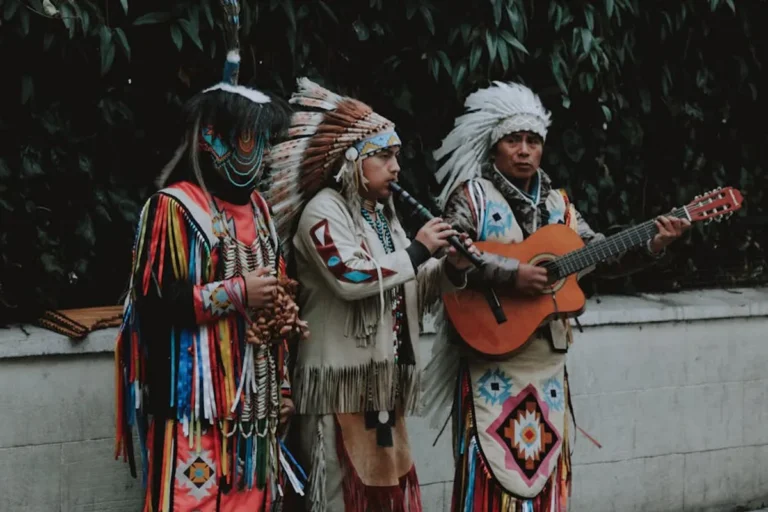

Native American beaded rosettes represent a rich tapestry of cultural expression, intricate artistry, and historical depth. For those seeking to understand, appreciate, or respectfully create these pieces, a foundational grasp of their design principles is essential. This guide outlines the core elements that define authentic beaded rosette design, focusing on the structural, material, and symbolic considerations that underpin their creation. Understanding these components is critical for anyone engaging with this art form, ensuring both aesthetic quality and cultural integrity.
Understanding Rosette Foundations and Structure
The rosette's circular form is fundamental, serving as a canvas for intricate beadwork. Its construction typically begins with a sturdy backing material, which dictates the overall shape and durability. Historically, tanned hide, canvas, or heavy felt provided the base, offering a resilient surface for stitching. The choice of backing directly influences the rosette's drape, rigidity, and how it will ultimately be affixed to another item, such as clothing, bags, or regalia.
Common backing materials:
- Tanned Hide: Offers traditional authenticity and exceptional durability, often used for regalia or items requiring significant wear. Requires specialized preparation and stitching.
- Stiff Felt: Provides an accessible, stable base for beginners. Easy to cut and stitch through, but may lack the longevity of hide for high-wear items.
- Canvas or Buckram: Offers a rigid, flat surface suitable for precise patterns. Often used when a very flat, unyielding finished piece is desired.
The size of the rosette is also a primary design consideration, ranging from small, intricate buttons to expansive medallions. This scale dictates bead size, pattern complexity, and the overall visual impact. A larger diameter allows for more elaborate motifs and color transitions, while smaller rosettes demand precision and often feature simpler, repetitive designs.
Material Selection for Authentic Beading
The character of a beaded rosette is profoundly shaped by its materials. Bead selection goes beyond mere color; size, shape, and finish contribute significantly to the final aesthetic and tactile experience.
Bead Types and Sizes
Seed beads are the most common choice, with their small, uniform size lending themselves to detailed patterns. Historically, glass seed beads, often imported from Europe, became integral to Native American beadwork. Modern options include Czech and Japanese seed beads, known for their consistent sizing and extensive color palettes. Japanese beads (e.g., Miyuki, Toho) are particularly prized for their uniformity, which is crucial for achieving smooth, even surfaces in intricate designs.
Bead sizes are typically denoted by a number (e.g., 10/0, 11/0, 13/0), where a higher number indicates a smaller bead. The choice of size impacts the level of detail achievable and the overall texture of the rosette. Larger beads create a more textured, visible pattern, while smaller beads allow for finer lines and more subtle color blending.
Thread and Needles
Durability and appearance are paramount for thread selection. Synthetic threads like Nymo, Fireline, or C-Lon are favored for their strength, resistance to fraying, and ability to hold tension. Nymo, a nylon beading thread, is popular for its flexibility and range of colors. Fireline, a pre-waxed braided thread, offers superior strength and abrasion resistance, making it suitable for heirloom pieces. Matching thread color to the dominant bead color or backing can minimize its visibility, contributing to a seamless finish.
Beading needles are specialized, featuring a long, thin shaft and a small eye to pass through tiny seed beads multiple times. Sizes vary, with thinner needles (e.g., size 12 or 13) accommodating smaller beads and intricate passes.
Beading Techniques and Pattern Development
The primary techniques for creating beaded rosettes include the peyote stitch (gourd stitch) and the lazy stitch. Each offers distinct textural and visual qualities.
Peyote Stitch: This off-loom technique builds rows of beads in a brick-like pattern, creating a flexible, fabric-like surface. Circular peyote is ideal for rosettes, allowing for concentric rings of color and pattern. Its tight, even texture results in a smooth, durable finish.
Lazy Stitch: Often associated with Plains beadwork, lazy stitch involves sewing short rows of beads (typically 5-10 beads) onto the backing, creating raised, parallel lines. This technique produces a ribbed texture and is often used for larger areas of color, allowing for faster coverage while maintaining a distinct visual appeal.
Pro Tip: When designing a rosette, always sketch your pattern on paper first. This allows for experimentation with color palettes and motif placement without committing beads. Consider the visual impact of positive and negative space, and how different bead sizes or finishes might interact within the design.
Incorporating Cultural Significance and Motifs
Beyond technical execution, the most profound aspect of Native American beaded rosettes lies in their cultural meaning. Designs often carry symbolic weight, reflecting tribal identity, spiritual beliefs, or narratives. Geometric patterns, animal figures, and floral motifs are common, each potentially holding specific interpretations within different tribal contexts.
Design considerations for cultural relevance:
- Research: Understand the historical and cultural context of specific motifs and color combinations. Many patterns are specific to certain tribes or regions.
- Color Symbolism: Colors often hold specific meanings (e.g., red for sacrifice or power, blue for sky or water, yellow for sun or new beginnings).
- Respectful Adaptation: If adapting traditional designs, ensure it is done with respect and understanding. Avoid appropriation by understanding the origin and significance of the patterns you choose.
Design Principles for Visual Harmony
Effective rosette design hinges on several universal artistic principles, adapted to the medium of beadwork:
- Symmetry and Balance: Many traditional rosettes exhibit radial symmetry, with elements repeating around a central point. Asymmetrical designs can also be powerful but require careful balancing of visual weight.
- Color Theory: The interplay of colors creates depth, contrast, and mood. Consider complementary, analogous, or monochromatic schemes to achieve desired effects. Gradual color transitions (ombré) can add sophistication.
- Repetition and Rhythm: Repeating patterns or elements create rhythm and unity, guiding the eye across the design.
- Focal Point: A central element or a particularly vibrant color combination can draw the viewer's eye, establishing a focal point within the rosette.
Refining Your Rosette Design Approach
Designing Native American beaded rosettes is a continuous learning process, blending technical skill with cultural appreciation. Start with simpler patterns to master basic stitches and material handling. Gradually introduce more complex colorwork and motifs as your confidence grows. Always prioritize the integrity of the craft by researching historical precedents and understanding the cultural narratives embedded within the designs. This approach ensures that each rosette created or appreciated is not just an object of beauty, but a meaningful expression of a rich heritage.
Frequently Asked Questions
What is the typical size range for beaded rosettes?
Rosettes can vary significantly, from small button-sized pieces (1-2 inches in diameter) to large medallions for regalia (6 inches or more). The size is often dictated by its intended use and the complexity of the design.
Are certain colors more traditional than others in Native American beadwork?
Yes, color preferences and symbolic meanings vary widely among different tribal nations. Historically, earth tones, blues, reds, and whites were common due to available dyes and bead colors. Researching specific tribal aesthetics is crucial for authentic color choices.
Can I use any type of bead for a rosette?
While technically possible, traditional and high-quality rosettes primarily use glass seed beads due to their durability, consistent sizing, and historical precedent. Other bead types may alter the texture, drape, and overall aesthetic significantly.
How do I ensure the durability of a beaded rosette?
Durability comes from strong backing material, high-quality synthetic beading thread, consistent stitch tension, and securely finishing all thread ends. Proper storage and handling also contribute to longevity.