When selecting turquoise, understanding the distinction between natural and stabilized forms is crucial for both aesthetic preference and investment value. These two categories represent fundamentally different products, impacting durability, appearance, and price point. Natural turquoise, directly extracted from the earth and polished, retains its inherent characteristics and, often, its higher market value. Stabilized turquoise, conversely, undergoes a treatment process to enhance its hardness and color consistency, making it more resilient and uniformly appealing, albeit at a different value proposition. The choice between them hinges on intended use, budget, and appreciation for the material's raw versus enhanced state.
Understanding Natural Turquoise
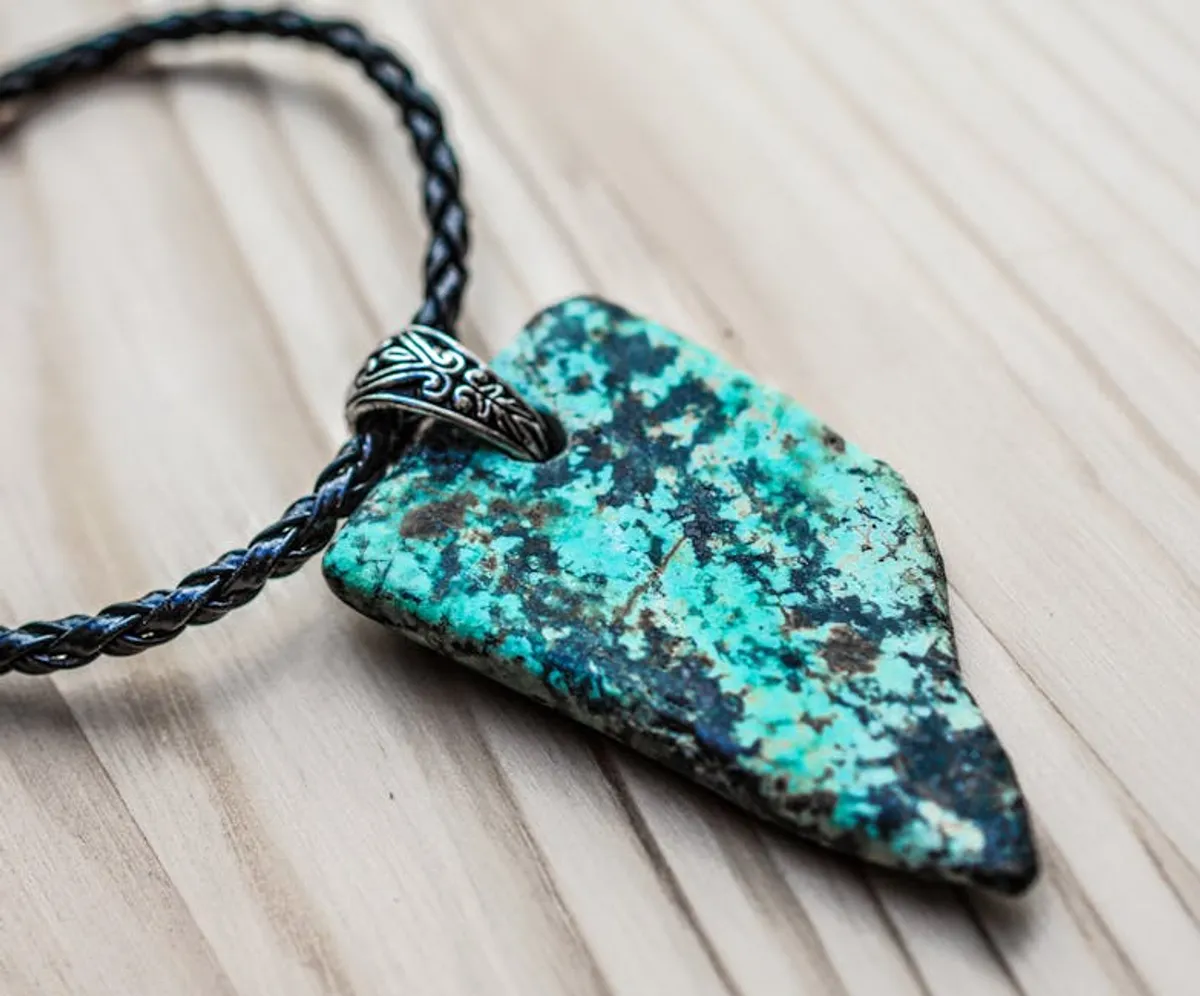
Natural turquoise refers to the gemstone in its raw, unaltered state, save for cutting and polishing. It forms in arid regions when water, rich in copper and aluminum, seeps through rock, depositing minerals in veins and nodules. The specific mineral composition, particularly copper content, dictates its color, which can range from sky blue to green. Iron impurities often contribute to greener hues, while zinc can produce yellowish tones. Its characteristic matrix—the host rock visible as veins or splotches—is an authentic identifier, varying widely in pattern and color depending on the mine and geological conditions.
Key characteristics:
- Rarity: High-grade natural turquoise is increasingly scarce, contributing to its premium value.
- Porosity: Natural turquoise is relatively porous, absorbing oils, dirt, and chemicals, which can alter its color over time. This phenomenon, known as "patina," is sometimes desired by collectors.
- Hardness: On the Mohs scale, natural turquoise typically ranges from 5 to 6, making it softer than many other gemstones and susceptible to scratching or chipping if not handled carefully.
- Color variation: Colors are organic and often exhibit subtle variations and irregularities, which are prized for their authenticity.
Best for: Collectors, high-end jewelry, investment pieces, those who value unique, unaltered gemstones with an organic aesthetic.
Understanding Stabilized Turquoise
Stabilized turquoise is natural turquoise that has undergone a permanent treatment process, typically involving impregnation with an epoxy resin. This process addresses several inherent properties of raw turquoise: its porosity, relative softness, and susceptibility to color change. During stabilization, crushed or porous turquoise is placed in a pressure chamber, and a clear, colorless resin is forced into the stone's pores. The resin hardens, creating a denser, more durable material. Sometimes, dyes are introduced during this process to enhance or standardize color.
Key characteristics:
- Durability: The resin infill significantly increases the stone's hardness to around 7 on the Mohs scale, making it more resistant to scratches and impacts.
- Reduced porosity: Stabilization seals the pores, preventing the absorption of oils, lotions, and other substances that can alter the stone's color.
- Color consistency: Stabilized turquoise often exhibits a more uniform and vibrant color, as the resin can deepen hues and prevent fading.
- Availability and affordability: The process allows lower-grade or chalky turquoise to be used, making stabilized material more abundant and generally less expensive than high-grade natural turquoise.
Best for: Everyday wear jewelry, mass-produced items, fashion accessories, those seeking a durable, consistently colored, and more affordable turquoise option.
Distinguishing Features: Natural vs. Stabilized
Durability and Hardness
Natural turquoise, with its Mohs hardness of 5-6, is more prone to scratching and chipping. It requires careful handling and is less suitable for rings or bracelets worn daily without protection. Stabilized turquoise, reaching a Mohs hardness of around 7, offers superior resistance to daily wear and tear, making it a practical choice for frequently worn jewelry.
Color and Appearance
The color of natural turquoise often presents subtle variations, veining, and unique matrix patterns that are part of its appeal. Its luster can be waxy to sub-vitreous. Stabilized turquoise tends to have a more uniform, often intense color and a slightly higher, resinous sheen. While some stabilized pieces retain visible matrix, it might appear more defined or less organic than in natural specimens.
Porosity and Treatment
Natural turquoise is porous, meaning it can absorb substances and change color over time. This "living" quality is part of its allure for some. Stabilized turquoise is non-porous due to the resin treatment, which prevents color alteration from external factors. This makes it more stable in appearance over its lifetime.
Value and Price
High-grade natural turquoise, particularly rare colors and matrix patterns from specific mines, commands the highest prices due to its scarcity and unaltered state. Its value can appreciate over time. Stabilized turquoise is significantly more affordable, reflecting the abundance of treatable material and the cost of the process. While it holds commercial value, it typically does not appreciate in the same way as fine natural specimens.
Maintenance and Care
Natural turquoise requires gentle care: avoid harsh chemicals, prolonged sun exposure, and impacts. It benefits from occasional cleaning with a soft, damp cloth. Stabilized turquoise is more forgiving. It can withstand more exposure to everyday elements and mild cleaning solutions without adverse effects, though extreme conditions should still be avoided.
Pro Tip: Always inquire about the treatment status of turquoise before purchase. Reputable sellers will clearly disclose if a stone is natural, stabilized, or otherwise treated. This transparency ensures you understand the material's properties and value, making an informed decision.
Choosing the Right Turquoise for Your Collection or Wear
The decision between natural and stabilized turquoise ultimately depends on your priorities. If you value rarity, the unique character of an unaltered gemstone, and potential investment appreciation, natural turquoise is the preferred choice. Be prepared for a higher price point and commit to more careful handling and maintenance. For those seeking durable, consistently colored jewelry that can withstand regular wear without significant concern for color change or damage, stabilized turquoise offers an excellent, more accessible option. It provides the aesthetic appeal of turquoise with enhanced practicality. Consider the context of the piece: a statement necklace worn occasionally might feature natural turquoise, while a daily-wear ring could benefit from the resilience of stabilized material.
Frequently Asked Questions
Is stabilized turquoise considered fake?
No, stabilized turquoise is not considered fake. It is natural turquoise that has undergone a treatment process to enhance its durability and appearance. The core material is still genuine turquoise, not an imitation or synthetic stone.
Does stabilized turquoise fade over time?
Stabilized turquoise is significantly more resistant to fading and color change than natural turquoise because the resin treatment seals its pores, preventing absorption of substances that can alter its hue. However, extreme, prolonged exposure to direct sunlight or harsh chemicals can still potentially affect its appearance over many years.
How do I care for natural versus stabilized turquoise?
Natural turquoise requires more delicate care: avoid harsh chemicals, direct sunlight, and impacts. Clean with a soft, damp cloth. Stabilized turquoise is more durable and less porous, tolerating more exposure to everyday elements. However, it's still advisable to clean it with mild soap and water and avoid prolonged exposure to strong chemicals or extreme heat.
Is one type of turquoise inherently "better" than the other?
Neither is inherently "better"; they serve different purposes and appeal to different preferences. Natural turquoise is valued for its authenticity, rarity, and unique character, often commanding higher prices. Stabilized turquoise is valued for its enhanced durability, consistent color, and affordability, making it practical for everyday wear. The "better" choice depends on your specific needs, budget, and aesthetic appreciation.