
Mother of pearl inlay jewelry offers a distinct aesthetic, blending natural iridescence with intricate craftsmanship. Unlike solid mother of pearl pieces, inlay involves meticulously cutting and setting fragments of the shell into a base material, creating patterns, images, or textures. This technique results in pieces that are both visually striking and often more durable than solid shell, as the base material provides structural support. For buyers, understanding the material, the inlay process, and the indicators of quality is essential for making an informed purchase that ensures lasting beauty and value. This guide provides a framework for evaluating and caring for these unique pieces, focusing on the practical considerations that define their appeal and longevity.
Understanding Mother of Pearl as a Material
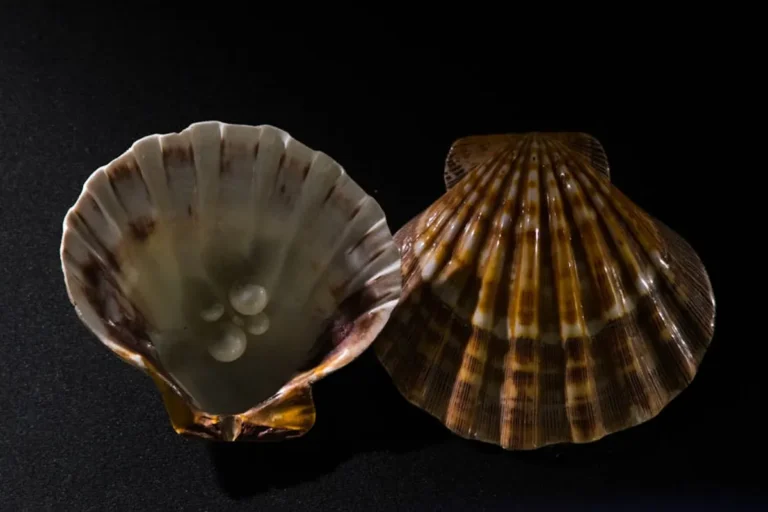
Mother of pearl, or nacre, is an organic composite material produced by some mollusks as an inner shell layer. Its primary characteristic is iridescence, a shimmering optical phenomenon caused by the way light interacts with its microscopic aragonite platelets and organic matrix. This natural luster is what gives mother of pearl its unique visual depth and appeal in jewelry.
Sourcing and Characteristics
The nacre used for inlay jewelry typically comes from various mollusk shells, including abalone, pearl oysters, and nautilus. Each source yields slightly different color variations and iridescence patterns. Abalone, for instance, often exhibits vibrant blues, greens, and purples, while pearl oyster nacre tends to be more silvery-white with subtle pink or cream overtones. The material is relatively soft, with a Mohs hardness of 2.5 to 4.5, making it susceptible to scratches and abrasion if not properly protected. Its organic nature also means it can be sensitive to acids, harsh chemicals, and extreme temperature fluctuations, which can dull its luster or cause discoloration.
The Inlay Process: Craftsmanship Essentials
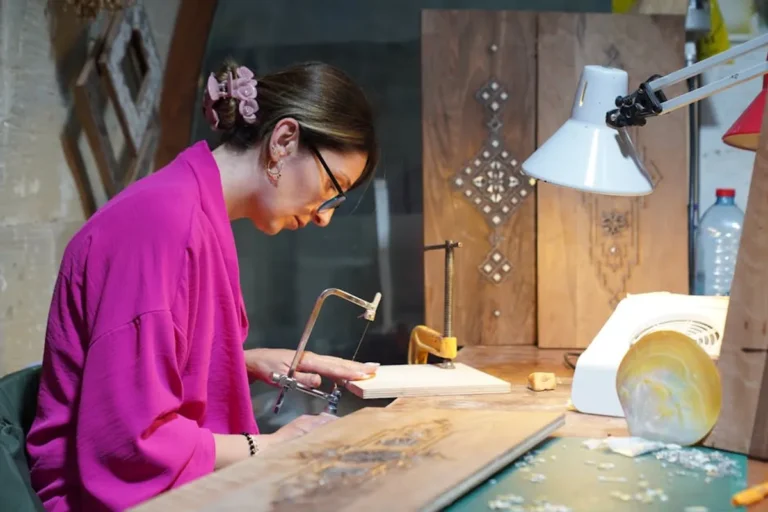
Inlay involves several precise steps. First, the mother of pearl shell is cut into thin sheets, then carefully shaped into individual pieces according to a design. These pieces are then fitted into pre-cut recesses in a base material, which can range from wood and resin to various metals. The precision of the cut and fit is paramount; high-quality inlay features pieces that sit flush with the surface of the base material, with minimal gaps. Adhesives secure the shell fragments, and the entire piece is then sanded and polished to a smooth, uniform finish. The skill of the artisan directly impacts the visual coherence and durability of the final product, with superior craftsmanship evident in seamless transitions and intricate detailing.
Identifying Quality Inlay Jewelry
Assessing the quality of mother of pearl inlay jewelry requires attention to both the shell material and the execution of the inlay work. These indicators help differentiate well-made, durable pieces from those with shortcuts in production.
Visual Cues for Authenticity and Workmanship
When examining inlay jewelry, look for the following:
- Evenness of Inlay: The mother of pearl pieces should be consistently flush with the surrounding base material. Any noticeable bumps, uneven edges, or pieces sitting above or below the surface indicate poor craftsmanship.
- Tight Seams: Gaps between individual mother of pearl pieces, or between the inlay and the base material, suggest imprecise cutting or fitting. High-quality inlay will have virtually invisible seams.
- Consistent Iridescence: While natural variations occur, the overall iridescence across the inlaid pattern should be uniform, without large dull spots or areas where the nacre appears thin or damaged.
- Smooth Finish: Run your finger over the surface. It should feel perfectly smooth, without any rough patches, sharp edges from the shell, or residue from adhesives. A high polish enhances the natural luster.
- Secure Setting: Ensure all mother of pearl pieces are firmly adhered. Any rattling or looseness indicates a potential for pieces to detach over time.
- Base Material Quality: The quality of the base material (e.g., sterling silver, solid wood, high-grade resin) should complement the inlay. A high-quality inlay on a flimsy or poorly finished base material diminishes the overall value.
Material Combinations and Their Impact
Mother of pearl inlay is frequently combined with other materials. The choice of these companion materials significantly affects the jewelry's aesthetic, durability, and care requirements. For instance, inlay set into sterling silver or gold offers a more robust and traditionally valuable piece, while inlay in wood or resin can create a lighter, more bohemian or contemporary feel. Understanding these combinations helps in assessing the overall integrity and suitability of a piece for its intended use. Metal bases provide structural strength, while organic bases like wood may require different care to prevent warping or cracking alongside the nacre.
Pro Tip: When evaluating intricate mother of pearl inlay, use a magnifying glass to inspect the precision of the cuts and the tightness of the seams. Fine details like these are often overlooked but are critical indicators of superior artisan skill and the long-term integrity of the piece. Avoid pieces where the nacre appears discolored or has visible adhesive bleed-through, as these flaws are typically irreversible.
Caring for Mother of Pearl Inlay
Proper care is crucial for maintaining the luster and structural integrity of mother of pearl inlay jewelry. Its organic nature requires a gentle approach.
Cleaning and Storage Best Practices
To clean mother of pearl inlay, use a soft, damp cloth. Avoid abrasive cleaners, ultrasonic cleaners, or harsh chemicals, which can strip the nacre's luster or damage the organic material. Mild soap can be used sparingly, but ensure thorough rinsing with a clean, damp cloth and immediate drying with a soft, lint-free cloth. For storage, keep inlay jewelry in a separate pouch or compartment to prevent scratches from harder materials. Avoid exposing it to direct sunlight or extreme temperature fluctuations, which can cause the nacre to dry out, crack, or yellow.
Protecting Against Damage
Mother of pearl is relatively soft and can be scratched or chipped. Remove inlay jewelry before engaging in activities that might expose it to impacts or abrasion, such as gardening, cleaning with chemicals, or sports. Avoid contact with perfumes, hairsprays, lotions, and acidic substances, as these can dull or damage the nacre. Put on jewelry after applying cosmetics and fragrances. Regular, gentle cleaning and mindful wear are the most effective ways to preserve its beauty.
Making an Informed Purchase
When selecting mother of pearl inlay jewelry, consider the reputation of the seller. Reputable jewelers or artisans often provide detailed information about the materials used, the origin of the nacre, and the craftsmanship involved. High-resolution images that show the piece from multiple angles are helpful for online purchases. Pay attention to the return policy and any guarantees offered. Understanding the base material and its care requirements is equally important, as it contributes significantly to the piece's overall longevity and maintenance needs. Prioritize pieces where the inlay appears integrated seamlessly with the base, showing no signs of lifting or unevenness, as this indicates a robust construction.
Frequently Asked Questions
Is mother of pearl inlay durable for everyday wear?
Mother of pearl itself is relatively soft, so inlay jewelry should be worn with care to avoid scratches or impacts. While the inlay process can add some protection by embedding the nacre, it is not recommended for highly active daily wear where it might be exposed to rough conditions or chemicals.
How can I tell if the mother of pearl is real?
Real mother of pearl exhibits a distinctive iridescent shimmer that changes subtly with light and angle. It often has natural variations in color and texture. Imitations may look flat, lack depth, or have a perfectly uniform, artificial appearance. A simple touch test can sometimes reveal if it's plastic (warmer) versus natural shell (cooler).
Can I repair damaged mother of pearl inlay jewelry?
Minor damage, such as a dull finish, can sometimes be polished by a professional. However, chipped or missing inlay pieces are challenging to repair seamlessly, often requiring specialized artisan work to match the original nacre and integrate new pieces without visible flaws. It's often more cost-effective to prevent damage through proper care.
Does mother of pearl inlay change color over time?
Over prolonged periods, especially with exposure to sunlight, chemicals, or acidic environments, mother of pearl can subtly dull or yellow. Its natural organic composition makes it susceptible to environmental factors. Consistent proper care and storage are key to preserving its original luster and color.