Jet, a unique organic gemstone formed from fossilized wood, holds a distinct position within Native American art, particularly in jewelry. Its deep, velvety black color and lightweight properties have made it a favored material for centuries, often juxtaposed with vibrant turquoise, coral, and shell. For collectors and enthusiasts, understanding jet's origins, cultural significance, and specific crafting techniques is essential for appreciating the artistry and ensuring informed acquisitions. This exploration details the material characteristics, traditional uses, and key considerations for identifying and valuing authentic Native American jet jewelry.
The Material: Understanding Jet's Properties and Origins
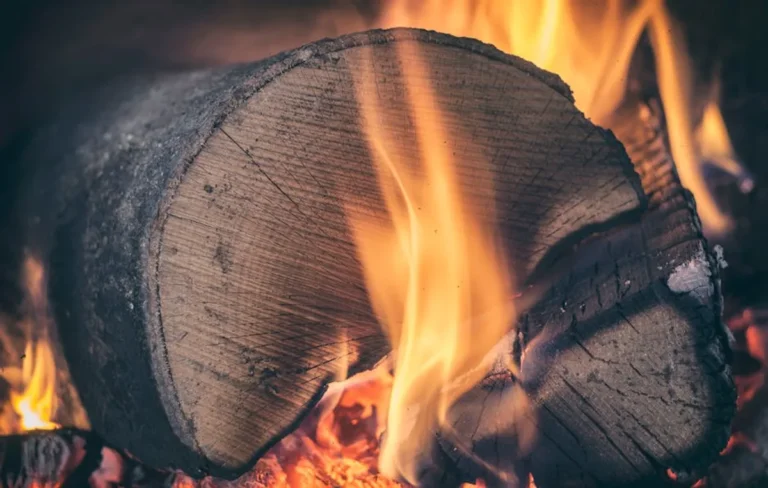
Jet is not a mineral in the conventional sense but a form of lignite coal, essentially fossilized wood that has undergone immense pressure over millions of years. This organic origin differentiates it from mineral gemstones and contributes to its unique characteristics. Primarily sourced from specific geological formations, historically, significant deposits relevant to Native American jewelry traditions are found in regions like New Mexico, particularly around the Chaco Canyon area, and parts of Utah.
Its defining physical attributes include a uniform, intense black color, a relatively low specific gravity that makes it surprisingly lightweight, and a capacity to take on a high polish, resulting in a lustrous, almost mirror-like finish. Jet is also relatively soft compared to most minerals, registering between 2.5 and 4 on the Mohs scale, which makes it amenable to intricate carving and shaping by skilled artisans. This softness, however, also means it can be susceptible to scratching if not handled with care. Unlike obsidian, a volcanic glass which is harder and heavier, jet feels distinctly warmer to the touch due to its organic composition.
Cultural Significance and Symbolism
The selection of jet by Native American artisans extends beyond its aesthetic appeal; it is deeply rooted in cultural beliefs and symbolism. For many Southwestern tribes, particularly the Zuni and Navajo, jet is considered a protective stone, often associated with the earth, grounding, and the night sky. Its deep black hue can symbolize strength, wisdom, and the mystery of the cosmos.
Common Associations:
- Protection: Worn for spiritual and physical safeguarding.
- Grounding: Connection to the earth and stability.
- Power: Symbolizing strength and resilience.
- Mourning: Historically used in some cultures for remembrance, though its primary use in Native American art is broader.
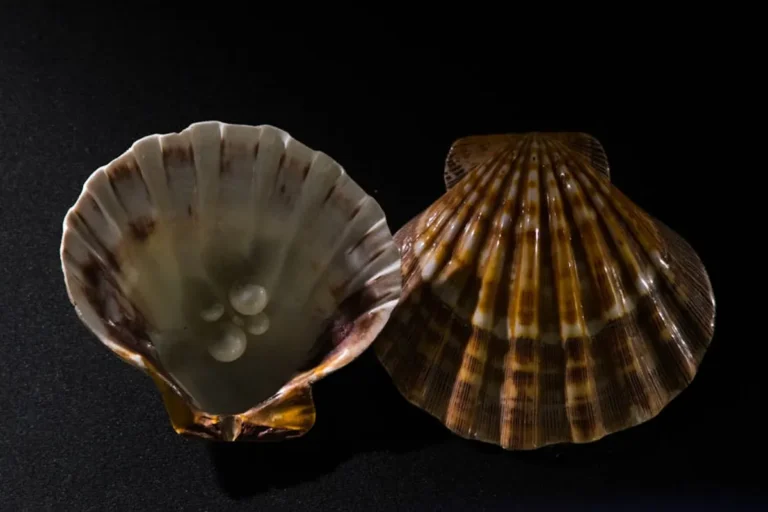
The Zuni, in particular, are renowned for their use of jet in mosaic and channel inlay work, frequently depicting animal fetishes or geometric patterns. These pieces often combine jet with other materials like turquoise, mother-of-pearl, and coral, each contributing its own symbolic meaning to the overall composition. The Navajo also incorporate jet into their silversmithing, often using it as a central cabochon or as part of intricate cluster designs.
Craftsmanship and Techniques in Jet Jewelry
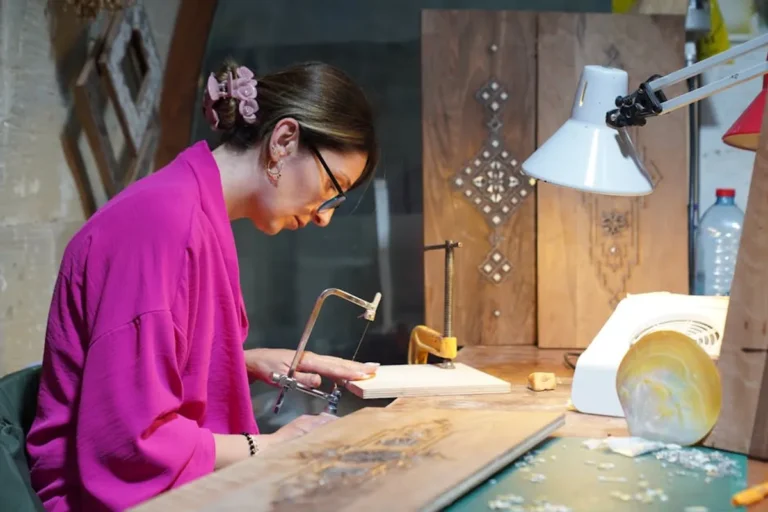
The creation of jet jewelry in Native American art involves a range of specialized techniques that highlight the material's versatility. Artisans begin by carefully selecting raw jet, often in nodular or vein forms. Initial shaping is typically done through sawing and grinding, followed by meticulous carving to achieve desired forms, whether they are smooth cabochons, detailed fetishes, or components for inlay.
Key Techniques:
- Carving: Due to its relative softness, jet is highly carvable, allowing for detailed sculptural work, such as animal effigies (fetishes) and intricate beads.
- Inlay: This is a prominent technique, especially among the Zuni. Thinly cut pieces of jet are precisely fitted into channels or depressions in a silver or shell base, often alongside other stones and shells, to create vibrant mosaic designs. Channel inlay features distinct silver lines separating the stone pieces, while mosaic inlay involves pieces fitted directly against each other.
- Polishing: Achieving jet's characteristic high luster requires careful sanding with progressively finer abrasives, culminating in a buffing process that brings out its deep, reflective black surface.
The combination of jet with other materials is a hallmark of Native American jewelry. The stark contrast of black jet against the vibrant blues of turquoise, the reds of coral, or the iridescent whites of mother-of-pearl creates visually striking pieces that are both aesthetically pleasing and culturally resonant.
Distinguishing Authentic Jet from Imitations
Identifying genuine jet is crucial for collectors, as several materials can mimic its appearance. Common imitations include black glass, obsidian, onyx, and various plastics. While these materials can be visually similar, they lack the unique properties and cultural significance of true jet.
Identification Cues:
- Weight: Jet is notably lightweight for its size, often feeling lighter than expected compared to glass or other stones.
- Warmth: Being an organic material, jet feels warmer to the touch than inorganic stones like obsidian or onyx, which tend to feel cool.
- Streak Test: A reliable, though destructive, test involves rubbing a small, inconspicuous area of the jet against unglazed porcelain (like the back of a tile). Authentic jet will leave a brown streak, whereas most imitations will leave a black or no streak.
- Static Electricity: When rubbed vigorously against wool or silk, jet can generate static electricity, attracting small pieces of paper or lint.
Pro Tip for Collectors: Authenticity in Native American jet jewelry is best assured through provenance. Purchase pieces from reputable galleries, certified Native American art dealers, or directly from known artists. Inquire about the artist's background, tribal affiliation, and the specific materials used. A verifiable history of ownership or artist documentation significantly enhances confidence in a piece's authenticity and value.
Collecting and Valuing Native American Jet Jewelry
The value of Native American jet jewelry is determined by several factors beyond mere material composition. For collectors, these elements provide a framework for informed acquisition and appreciation.
Factors Influencing Value:
- Artist's Reputation: Pieces by renowned or historically significant artists command higher prices due to their skill, innovation, and contribution to the art form.
- Age and Condition: Older pieces, especially those in excellent condition with minimal wear or damage, are often more valuable.
- Complexity of Design: Intricate inlay work, detailed carving, or sophisticated silver settings contribute significantly to a piece's value. Simple, mass-produced items generally hold less value.
- Combination of Materials: The quality and authenticity of accompanying materials like natural turquoise, coral, or shell also impact the overall value.
- Provenance: Documented history of ownership or acquisition from a reputable source adds confidence and value.
Artist signatures or hallmarks, typically stamped into the silver backing of a piece, are crucial for attribution and can significantly affect market value. While not all older pieces are signed, contemporary works often bear the artist's mark, sometimes accompanied by a tribal designation.
Ensuring Informed Acquisition
Acquiring Native American jet jewelry is an investment in both art and culture. To ensure a valuable and authentic addition to any collection, prioritize thorough research and a cautious approach. Understand the specific techniques employed by different tribes, familiarize yourself with the work of prominent artists, and learn to discern the characteristics of genuine jet. Engage with knowledgeable dealers who can provide detailed information about a piece's history, materials, and the artist. This diligence not only protects your investment but also deepens your appreciation for the rich tradition of Native American artistry.
Frequently Asked Questions
Is jet considered a gemstone?
Yes, jet is classified as an organic gemstone, formed from fossilized wood. Unlike most gemstones which are minerals, jet originates from living matter.
How should I care for Native American jet jewelry?
Jet is relatively soft, so it should be protected from scratches and harsh chemicals. Clean it gently with a soft, dry cloth. Avoid prolonged exposure to direct sunlight or extreme temperatures, which can cause drying or cracking.
Which Native American tribes are most known for using jet in their jewelry?
The Zuni and Navajo tribes are particularly renowned for their extensive and skilled use of jet in jewelry, often incorporating it into intricate inlay work and silver settings.
What is the main difference between jet and obsidian in jewelry?
Jet is an organic material (fossilized wood), making it lightweight and warm to the touch. Obsidian is a volcanic glass, which is heavier, harder, and feels cooler. Jet also leaves a brown streak when rubbed on unglazed porcelain, while obsidian leaves a black or no streak.