
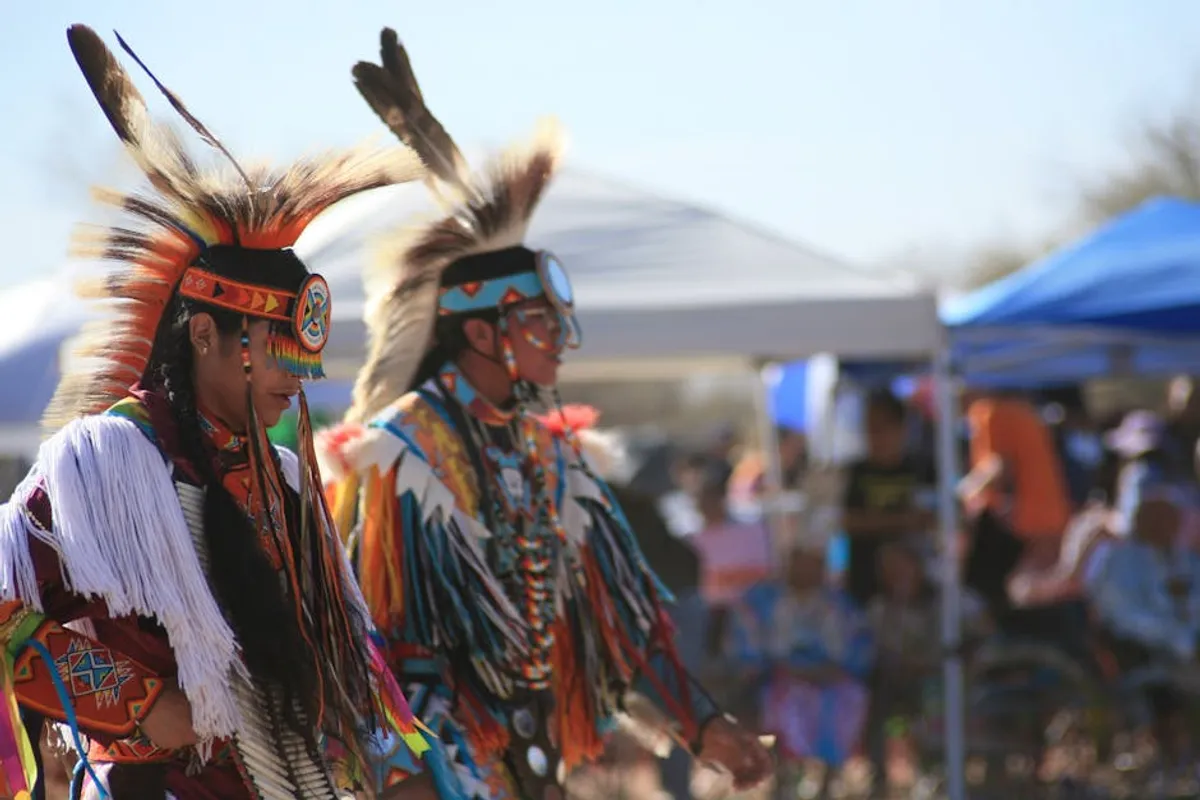
For those curating or collecting distinctive jewelry, understanding the intricate world of Native American animal symbols is essential. These pieces transcend mere ornamentation, embodying profound cultural narratives, spiritual beliefs, and a rich artistic heritage. Their appeal lies not just in their aesthetic beauty but in the stories they tell and the values they represent, making them highly sought after by discerning buyers who prioritize meaning and authenticity. Understanding the exact meanings behind these symbols can deepen your appreciation for this unique art form.
The Foundational Meanings of Animal Symbolism
Native American cultures hold a deep reverence for the natural world, viewing animals as powerful guides, protectors, and sources of wisdom. Each animal carries specific attributes and lessons, which are then imbued into jewelry pieces. Recognizing these core meanings allows for more informed purchasing decisions and enables richer storytelling for potential buyers.
Key Animal Symbols and Their Interpretations
- Bear: Represents strength, courage, leadership, and introspection. Often associated with healing and protection, bears symbolize a powerful connection to the earth and the ability to overcome challenges.
- Eagle: A revered messenger to the Great Spirit, symbolizing wisdom, freedom, spiritual connection, and keen vision. Eagle feathers and imagery are highly sacred, denoting honor and respect.
- Wolf: Embodies loyalty, intelligence, intuition, and strong family bonds. Wolves are teachers, guiding individuals to find their inner strength and community.
- Turtle: Signifies longevity, protection, and Mother Earth. The turtle's shell is seen as a shield, and its slow, deliberate pace represents patience and grounding.
- Horse: Symbolizes power, mobility, freedom, and self-sufficiency. Horses were transformative for many tribes, representing wealth and the ability to journey far.
- Coyote: Often depicted as a trickster, but also represents adaptability, humor, and the ability to navigate life's challenges with wit. It teaches lessons through unexpected means.
- Owl: Associated with wisdom, mystery, and the ability to see in the dark, symbolizing intuition and insight into hidden truths.
Craftsmanship and Material Significance in Symbolic Jewelry
The medium through which these symbols are expressed adds another layer of meaning and value. Traditional Native American jewelry often utilizes specific materials and techniques, each with its own cultural significance and impact on the piece's commercial appeal.
Common Materials:
- Sterling Silver: Widely used for its malleability and luster, often serving as the base for intricate designs. Its value is tied to the purity and the skill of the silversmith.
- Turquoise: A highly prized stone, associated with protection, good fortune, and healing. Its color variations and matrix patterns contribute to its unique character and value.
- Coral and Shell: Often incorporated for their vibrant colors and connection to water, symbolizing life and renewal.
- Jet: A deep black fossilized wood, used for contrast and its protective qualities.
- Inlay: A technique where stones are precisely cut and fitted into a silver or other metal backing, creating intricate mosaic designs.
- Stamping and Repoussé: Methods of decorating metal surfaces, adding texture and symbolic patterns.
The choice of material and the artisan's skill directly influence both the aesthetic quality and the perceived value of the symbolic jewelry, making craftsmanship a critical factor for buyers.
Pro Tip for Buyers: Always prioritize authenticity. Genuine Native American jewelry pieces are typically signed by the artist or bear a hallmark indicating the tribe or artisan collective. Researching the artist and their tribal affiliation ensures you are acquiring a piece with verifiable cultural integrity, which significantly impacts its long-term value and ethical standing.
Authenticity, Ethics, and Market Appeal
The market for Native American symbolic jewelry is driven by a desire for genuine artistry and cultural connection. Ethical sourcing and verifiable authenticity are paramount for both collectors and retailers. Buyers are increasingly discerning, seeking pieces that not only look beautiful but also honor the traditions and artists behind them.
Maximizing Market Engagement:
- Educate Consumers: Provide detailed descriptions of the animal symbols, their meanings, and the cultural context. This transforms a simple purchase into a meaningful acquisition.
- Highlight Artisan Stories: Share information about the artist, their tribal background, and the specific techniques used. This adds a human element and reinforces authenticity.
- Visual Storytelling: Use high-quality imagery that showcases the craftsmanship and allows the symbolism to be clearly appreciated. Contextual photos can enhance appeal.
By focusing on these elements, retailers can attract a demographic interested in unique, meaningful, and ethically produced items, differentiating their offerings in a competitive market.
Curating Collections with Intent
When curating a collection of Native American animal symbol jewelry, consider the breadth of available symbols, materials, and artistic styles. A well-rounded collection offers variety while maintaining a consistent commitment to quality and authenticity. This involves understanding the nuances between different tribal styles, such as the intricate inlay work of Zuni artists or the bold silverwork of Navajo silversmiths, even when the same animal symbol is depicted. Recognizing the specific techniques and materials used reveals what makes this jewelry special.
Focusing on pieces that clearly convey their symbolic meaning, either through explicit design or accompanying narrative, will resonate more deeply with buyers seeking personal connection or specific attributes from their jewelry.
Practical Insights for Showcasing Symbolic Jewelry
To effectively present Native American animal symbol jewelry, emphasize its dual nature: artistic beauty and profound cultural significance. Each piece should be treated as an artifact of cultural expression, not just a commodity. This approach not only educates the buyer but also elevates the perceived value and encourages a deeper appreciation for the artistry and heritage involved.
Develop compelling product narratives that explain the symbol's meaning, the materials used, and the artist's background. This contextual information is critical for converting interest into sales, as it addresses the buyer's desire for authenticity and personal connection.
Frequently Asked Questions
What is the most common animal symbol in Native American jewelry?
While many animals are significant, the Eagle is one of the most common and revered symbols, representing wisdom, freedom, and a spiritual connection to the Creator. Bears and wolves are also frequently depicted due to their strong associations with strength and loyalty.
How can I tell if Native American animal jewelry is authentic?
Authenticity is often indicated by an artist's signature or a tribal hallmark stamped on the piece. Reputable sellers provide documentation or provenance. Look for quality craftsmanship, genuine materials like natural turquoise, and avoid pieces that appear mass-produced or lack specific cultural context.
Do different tribes interpret animal symbols differently?
Yes, while many animal symbols share broad meanings across various Native American cultures, specific interpretations and associated stories can vary significantly between tribes. For example, the Coyote's role as a trickster might have different nuances in Navajo versus Pueblo traditions. Understanding these distinctions adds depth to the symbolism.
What is the significance of the materials used in this jewelry?
Materials like sterling silver, turquoise, coral, and jet are chosen not only for their aesthetic qualities but also for their cultural and spiritual significance. Turquoise, for instance, is highly valued for its protective and healing properties, while silver provides a durable and beautiful canvas for intricate designs.