Sand cast jewelry offers a distinct aesthetic and historical depth that sets it apart from mass-produced or machine-finished pieces. For collectors, enthusiasts, and those evaluating its market presence, understanding its origins, stylistic hallmarks, and the specific factors influencing its value is essential. This method, one of the oldest forms of metalworking, imparts a unique character to each item, making every piece a potential artifact of craft and culture.
The Enduring History of Sand Casting
The art of sand casting metal into jewelry predates many modern techniques, with evidence pointing to its use in ancient civilizations across continents. This method, relying on natural materials, allowed for intricate designs before the advent of sophisticated machinery.
Ancient Origins and Global Spread
Early examples of sand casting trace back to civilizations in Mesopotamia and Egypt, where artisans used crude sand molds to create tools, decorative objects, and rudimentary jewelry. The technique evolved significantly in West Africa, particularly among the Ashanti people, who mastered the lost-wax variant (cire perdue) to produce elaborate gold ornaments. Similarly, indigenous cultures in North and South America, notably the Navajo and Zuni tribes, adopted and refined sand casting for silver and turquoise jewelry, creating pieces with profound cultural and spiritual significance. These traditions highlight the method's adaptability and its role in diverse artistic expressions.
Evolution and Cultural Significance
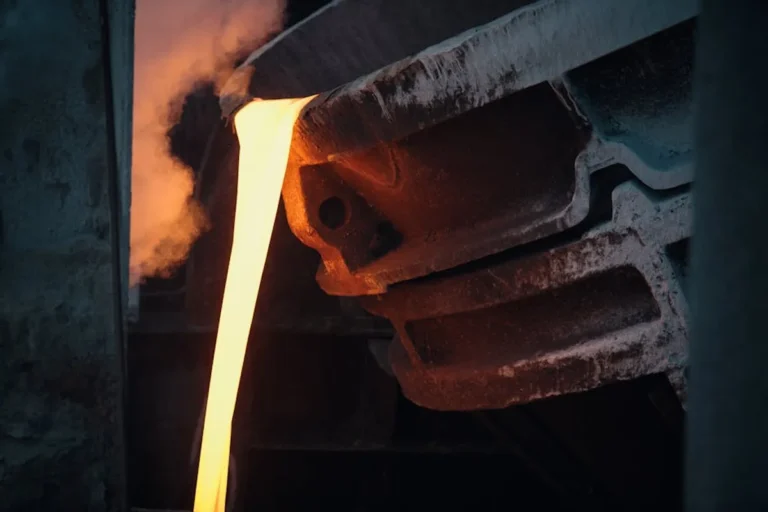
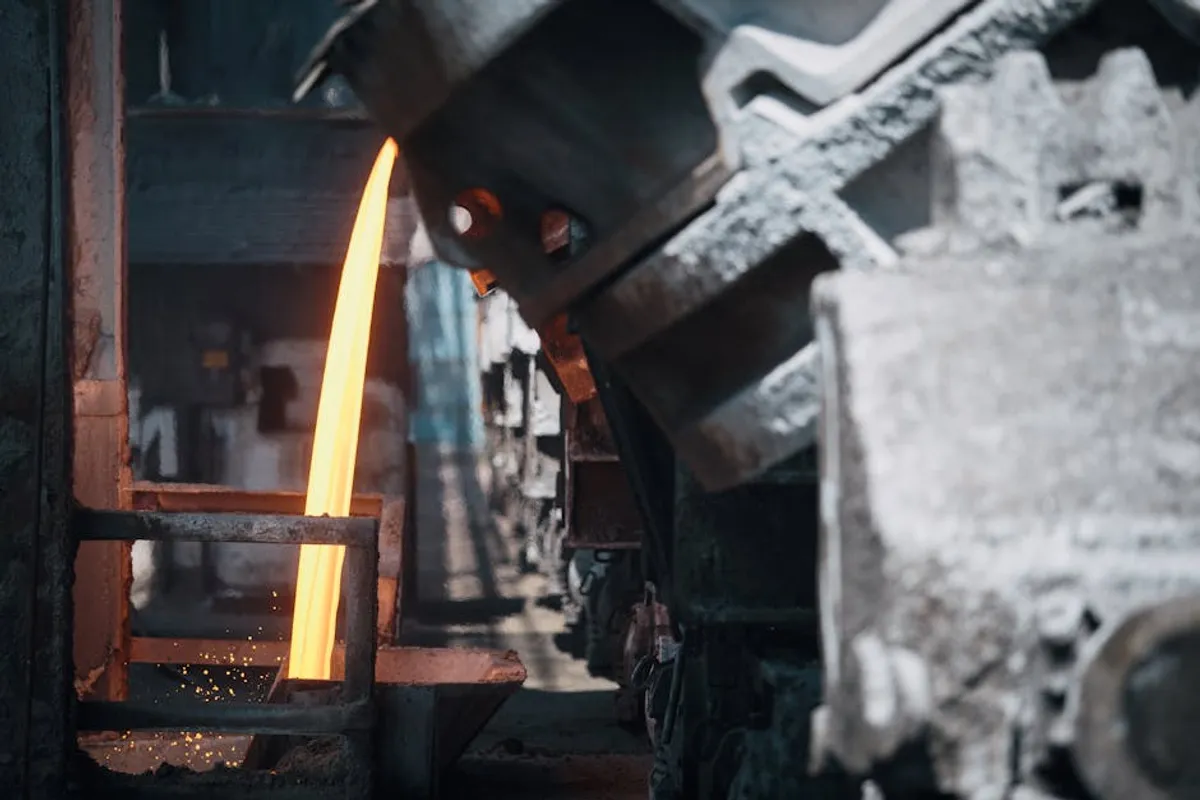
Over centuries, the core principle of sand casting—imprinting a design into a compacted sand mixture, pouring molten metal, and then breaking the mold—remained consistent. What changed was the refinement of sand mixtures, the complexity of designs, and the metals used. In many cultures, sand cast jewelry wasn't merely adornment; it served as currency, status symbols, or ceremonial objects. The handcrafted nature meant each piece carried the maker's touch, imbuing it with a personal narrative that machine production cannot replicate.
Distinctive Styles and Characteristics
Identifying sand cast jewelry often comes down to recognizing its inherent imperfections and organic textures, which are celebrated as hallmarks of the technique rather than flaws.
Visual Hallmarks of Sand Cast Jewelry
Unlike polished, symmetrical pieces produced by modern methods, sand cast jewelry typically exhibits a raw, earthy aesthetic. Key characteristics include:
- Textured Surfaces: The sand mold leaves a granular or slightly pitted finish, often visible even after polishing. This texture is unique to the casting process.
- Organic Shapes: Designs tend to be less precise and more fluid, reflecting the nature of working with sand. Edges may be softer, and forms often appear more sculptural.
- Weight and Density: Sand cast pieces can feel substantial, as the casting process often results in solid, rather than hollow, forms.
- Seams or "Flash": Visible lines where the two halves of the mold met, sometimes minimally filed away, can indicate sand casting.
- Asymmetry: Slight variations or non-uniformity in design elements are common, adding to the handmade appeal.
Best for: Collectors seeking unique, handcrafted items with a visible history of creation.
Common Motifs and Materials
While sand casting can be applied to almost any design, certain motifs are prevalent, often tied to the cultural origins of the technique. Native American sand cast jewelry frequently features squash blossoms, Naja (crescent) symbols, and various animal or spiritual representations. Materials primarily include silver, gold, and bronze, chosen for their malleability and ability to capture fine detail within the sand mold. The choice of metal often reflects regional availability and cultural preference, contributing to the piece's overall character and historical context.
Assessing Collector Value
For those interested in the commercial aspect or building a collection, understanding the valuation criteria for sand cast jewelry is crucial. Its worth extends beyond mere metal weight.
Factors Influencing Market Value
Several elements contribute to the collector value of sand cast jewelry:
- Provenance and Artist: Pieces attributed to renowned artists or those with documented historical ownership command higher prices. A verifiable history (provenance) significantly enhances value.
- Age and Rarity: Older, well-preserved pieces, especially those from significant periods or limited production runs, are generally more valuable due to their scarcity.
- Condition: While some wear is expected, severe damage, extensive repairs, or missing elements can significantly diminish value. Original condition, even with patina, is preferred.
- Material Purity and Gemstones: The quality of the metal (e.g., sterling silver vs. lower-grade alloys) and the presence, quality, and origin of any inset gemstones (e.g., natural turquoise vs. stabilized or synthetic) are critical.
- Craftsmanship and Design Uniqueness: Exceptional skill in casting, intricate detailing, and a distinctive, aesthetically pleasing design contribute to desirability and value.
Pro Tip for Collectors: Always scrutinize the reverse side and interior surfaces of sand cast jewelry. The raw, unpolished texture of the sand mold is often most apparent here. Look for subtle variations, minor pitting, and the characteristic lack of machine-perfect uniformity. These details are strong indicators of authentic sand casting and can help distinguish it from pieces made using modern, smoother casting methods.
Market Trends and Authentication
The market for sand cast jewelry, particularly vintage Native American pieces, has seen consistent interest, driven by a growing appreciation for artisanal craft and cultural heritage. However, authentication remains paramount. Reputable dealers, expert appraisals, and thorough research into maker's marks, stylistic periods, and material characteristics are essential to ensure authenticity and fair valuation. Beware of pieces claiming significant age or provenance without supporting evidence.
Building a Curated Collection
Approaching sand cast jewelry with an informed perspective allows for more deliberate acquisitions and a deeper appreciation of each piece. Focus on understanding the historical context, recognizing the subtle markers of genuine craftsmanship, and prioritizing pieces that resonate with your aesthetic and collecting goals. This approach ensures that your collection holds both intrinsic and potential market value, reflecting a genuine connection to this ancient and beautiful art form.
Frequently Asked Questions
How can I tell if a piece of jewelry is sand cast?
Look for a slightly rough, granular, or textured surface, especially on unpolished areas. Sand cast pieces often have less precise edges, organic shapes, and may show subtle seams where the mold halves met. They typically lack the perfectly smooth, uniform finish of machine-made jewelry.
What metals are commonly used in sand cast jewelry?
Historically, silver, gold, and bronze are the most common metals. Silver is particularly prevalent in Native American sand cast jewelry, while gold was extensively used in West African traditions.
Does sand cast jewelry hold its value?
Yes, well-made sand cast jewelry, especially pieces with verifiable provenance, by known artists, or of significant age and cultural importance, can hold and appreciate in value. Factors like condition, rarity, and artistic merit play a crucial role in its long-term market worth.
Is sand cast jewelry durable?
Generally, sand cast jewelry is quite durable, particularly if cast as a solid piece. The inherent strength of the metal, combined with its often substantial nature, contributes to its longevity. However, like all jewelry, it can be susceptible to damage from impact or harsh chemicals.