Handmade Native American jewelry offers more than mere adornment; it occupies a distinct space among artisan creations. Its appeal stems from a confluence of artistry, cultural depth, and material integrity, setting it apart from commercially manufactured alternatives. Understanding these core attributes clarifies why collectors and enthusiasts seek out these specific pieces, recognizing their inherent value beyond superficial aesthetics. This distinction is particularly relevant when comparing handmade artist-made pieces to mass-produced collections.
The Craftsmanship Behind Each Piece
Material Selection and Preparation
The foundation of exceptional handmade Native American jewelry lies in its material selection. Artisans frequently employ high-grade sterling silver, often marked.925, as a primary metal. Sterling silver provides both durability and a malleable medium for intricate work. Beyond silver, the selection of stones is critical. Turquoise, a staple, varies widely in hue, matrix (the webbing of other minerals), and origin, with specific mines like Kingman, Sleeping Beauty, or Morenci being highly prized for their distinct characteristics. Other natural elements like coral, jet, shell (mother-of-pearl, abalone), and semi-precious stones are chosen for their natural beauty and symbolic resonance, often sourced and prepared through traditional cutting and polishing methods that preserve their raw integrity. The careful selection of these popular styles and stones significantly contributes to the overall aesthetic and value of the jewelry.
Traditional Techniques and Tools
The creation process itself is a testament to inherited skill and patience. Unlike factory production, each piece is shaped by hand using an array of specialized tools. Silversmithing techniques commonly include:
- Stamping: Using hand-cut steel dies to impress patterns onto silver.
- Repoussé: Hammering metal from the reverse side to create a design in low relief.
- Chasing: Detailing the front of a repoussé design or creating a design in relief.
- Inlay: Precisely cutting and fitting stones or shells into a silver setting, often flush with the metal surface.
- Stone Setting: Employing bezels (metal bands) to secure individual stones, often with intricate saw work around the bezel.
- Tufa Casting: Pouring molten silver into a mold carved from tufa stone, a porous volcanic rock, resulting in unique textures.
These methods require extensive practice, precise hand-eye coordination, and an understanding of material properties that machine fabrication cannot replicate. Slight irregularities and unique textures are signatures of the artisan's touch, not flaws.
Cultural Significance and Storytelling
Symbolism and Motifs
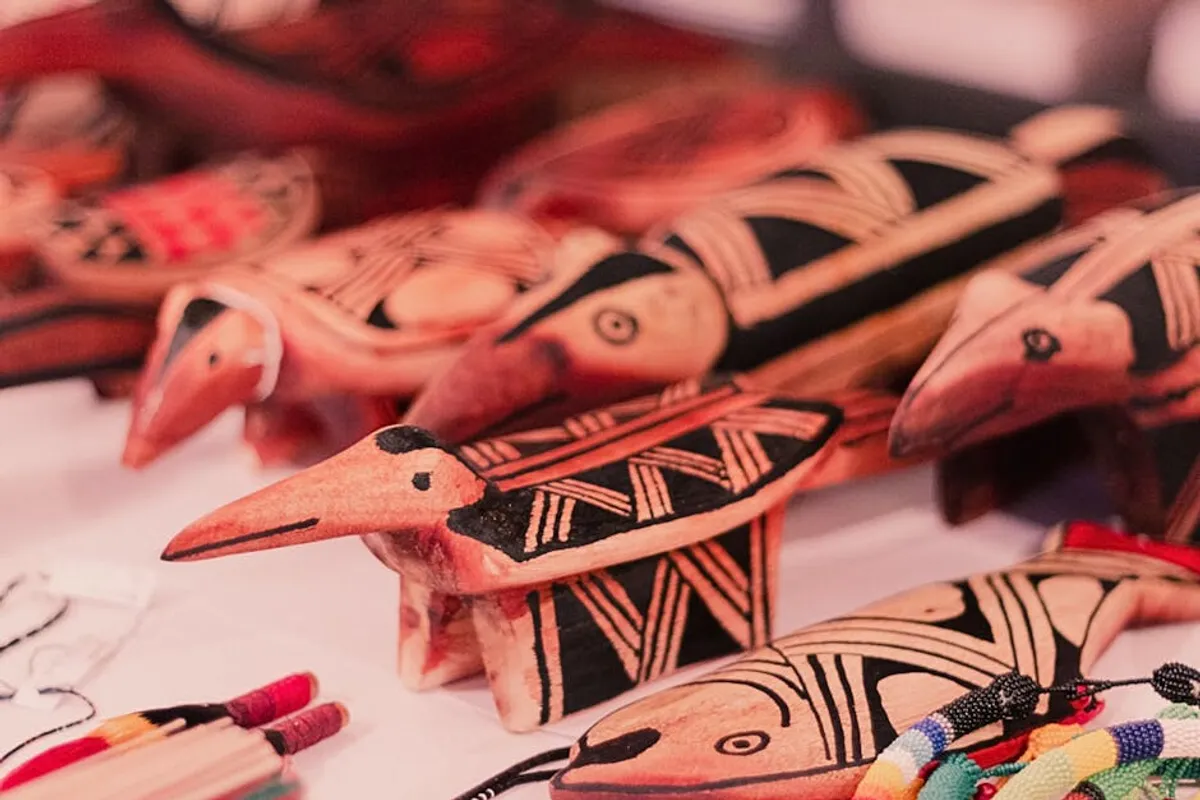
Beyond materials and technique, handmade Native American jewelry is imbued with cultural narratives. Designs are rarely purely decorative; they often carry deep symbolic meaning rooted in tribal traditions, spirituality, and observations of the natural world. For instance, the Zuni fetish carvings represent animal spirits, while Navajo rug patterns often translate into silverwork, depicting elements like mountains, clouds, or corn. Hopi overlay jewelry, with its oxidized background and raised silver design, frequently features symbols representing clans, natural phenomena, or spiritual concepts. Understanding these motifs transforms a piece from mere adornment into a tangible link to a specific cultural heritage and worldview.
Authenticity and Provenance
The value proposition of handmade Native American jewelry is inextricably linked to its authenticity and provenance. True pieces are created by Native American artists, often members of federally recognized tribes, who draw upon ancestral knowledge and contemporary skill. This direct connection ensures design integrity, cultural context, and ethical production. Buyers prioritize pieces that can be attributed to a specific artist or tribe, as this guarantees the cultural authenticity and supports the continuation of these artistic traditions. Documentation like artist hallmarks, certificates of authenticity, or direct purchase from reputable sources serves as critical assurance of a piece's origin and cultural validity.
Investment in Art and Heritage
Durability and Longevity
Meticulous craftsmanship and high-quality materials contribute significantly to durability and longevity. Sterling silver, when properly cared for, withstands the test of time, and natural stones are robust. Unlike mass-produced items that may use plated metals or synthetic stones, these pieces are built to be worn, cherished, and passed down through generations. They retain aesthetic appeal and structural integrity, often developing a unique patina that adds character over decades.
Ethical Considerations and Support
Purchasing handmade Native American jewelry is also an act of direct support for indigenous artists and their communities. It helps sustain traditional art forms, provides economic independence, and fosters the preservation of cultural heritage. This ethical dimension adds another layer of value; it's an investment in living traditions and the livelihoods of skilled artisans. This contrasts with generic, imported "Native-inspired" items that lack cultural connection and benefit to communities.
Pro Tip: When evaluating handmade Native American jewelry, always look for an artist's hallmark or signature. While not every piece will have one, its presence is a strong indicator of authenticity and allows for tracing the piece back to its creator, enhancing both its story and potential value. Researching the hallmark can confirm the artist's tribal affiliation and reputation.
Preserving the Legacy: Identifying Authentic Pieces
Distinguishing genuine handmade Native American jewelry from imitations requires a discerning eye. Key indicators include:
- Artist Hallmarks: Many established artists use unique stamps or signatures.
- Material Quality: Look for genuine sterling silver (often marked.925) and natural, unadulterated stones with visible matrix in turquoise.
- Craftsmanship Details: Examine the precision of stone settings, the depth of stamping, and the overall finish. Handmade pieces often show slight, consistent variations that mass-produced items lack.
- Design Motifs: Familiarize yourself with traditional tribal designs and symbolism. While contemporary pieces exist, they often build upon established aesthetics.
- Provenance: Inquire about the piece's origin, the artist, and the tribal affiliation. Reputable dealers will provide this information readily.
- Weight and Feel: Authentic pieces often have a substantial weight and a distinct tactile quality due to the use of solid materials and traditional construction methods.
Frequently Asked Questions
What is the difference between "Native American style" and "Handmade Native American Jewelry"?
"Native American style" often refers to mass-produced items that mimic traditional designs but are not made by Native American artisans, nor do they use traditional techniques or materials. "Handmade Native American Jewelry," by contrast, is created by indigenous artists using traditional methods, high-quality materials, and designs rooted in their cultural heritage, ensuring authenticity and ethical production.
How can I care for my handmade Native American jewelry?
Most pieces, especially those made with sterling silver and natural stones, benefit from gentle care. Avoid exposing them to harsh chemicals, perfumes, or lotions. Store them in a dry place, ideally in a soft pouch, to prevent tarnishing and scratches. Clean sterling silver with a soft polishing cloth specifically designed for silver; avoid abrasive cleaners, especially on pieces with stones, as some stones (like turquoise) are porous and can be damaged.
Are all handmade Native American jewelry pieces signed?
No, not all pieces are signed or hallmarked. While many artists sign their work, older pieces or those from certain traditions might not bear a mark. Its presence provides valuable identification and provenance, though absence doesn't automatically imply inauthenticity.
Does the value of handmade Native American jewelry increase over time?
The value of handmade Native American jewelry can appreciate, particularly pieces by renowned artists, those with historical significance, or those featuring rare materials. Factors influencing value include the artist's reputation, the quality of craftsmanship, the rarity of materials (e.g., specific turquoise mines), and the piece's condition. Like any art form, market demand and provenance also play a significant role in long-term appreciation.