Tufa cast jewelry represents a distinct segment within handcrafted metalwork, particularly recognized for its origins in Navajo silversmithing. This technique utilizes porous volcanic rock, known as tufa stone, to create unique molds for casting precious metals. Unlike lost-wax casting or cuttlebone casting, tufa casting imparts a characteristic texture and organic aesthetic directly onto the finished piece, making each item uniquely identifiable. Understanding the process reveals why these pieces carry a specific visual signature and how they differ from other forms of metal jewelry.
Understanding Tufa Stone and Its Role
Tufa stone, a compressed volcanic ash, is central to this casting method. Its naturally soft, porous, and heat-resistant properties make it suitable for carving and withstanding the temperatures of molten silver or gold. The stone's inherent texture translates directly to the metal surface during casting, creating a matte, slightly rough finish that distinguishes tufa cast pieces. This texture is not an applied finish but an intrinsic part of the casting process, reflecting the mold material itself.
Selecting and Preparing the Tufa Stone
The initial step involves selecting suitable tufa stone. Silversmiths look for blocks that are free of major cracks or inclusions that could compromise the mold's integrity. Once a block is chosen, it is typically cut or ground into two complementary halves. These halves must fit together tightly to prevent metal leakage during pouring. The surfaces are often smoothed slightly to ensure a good seal, though the interior carving will retain the stone's natural grain.
The Navajo Casting Technique: Step-by-Step Process
The core of tufa casting lies in the meticulous preparation of the mold and the controlled pouring of molten metal. This process requires precision and an understanding of metal properties and stone characteristics.
Carving the Design into the Mold
On one half of the prepared tufa stone, the desired jewelry design is carved in reverse. This is a freehand process, often done with files, chisels, and dental tools. The depth and detail of the carving directly influence the final piece. Because tufa stone is relatively soft, intricate patterns can be achieved, though the porous nature of the stone means fine, sharp details might be slightly softened in the final cast. The artist's skill in carving defines the form and initial texture of the jewelry.
Creating Sprues and Vents
Once the design cavity is complete, channels known as "sprues" are carved. The main sprue acts as the entry point for the molten metal, leading directly into the design cavity. Smaller channels, or "vents," are also carved from the design cavity to the edge of the mold. These vents allow air and gasses to escape as the metal fills the mold, preventing bubbles and ensuring a complete, solid casting. Proper placement and size of sprues and vents are critical for a successful pour.
Securing the Mold
Before casting, the two halves of the tufa mold are bound together tightly. This is typically done with heavy-gauge wire, clamps, or a combination of both. The goal is to create a secure, sealed cavity that can withstand the pressure of the molten metal without separating or leaking. A small indentation, often called a "pouring lip," is sometimes carved at the top of the main sprue to aid in directing the metal flow.
Pro Tip: Ensure the tufa mold halves are perfectly aligned and clamped with sufficient pressure. Any gaps can lead to metal leakage, resulting in an incomplete or flawed casting. A tight seal is paramount for capturing intricate details and maintaining the integrity of the piece.
Melting and Pouring the Metal
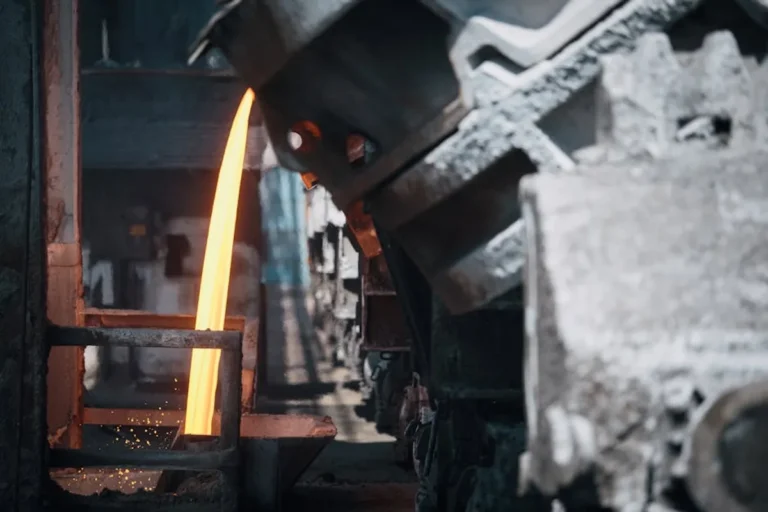
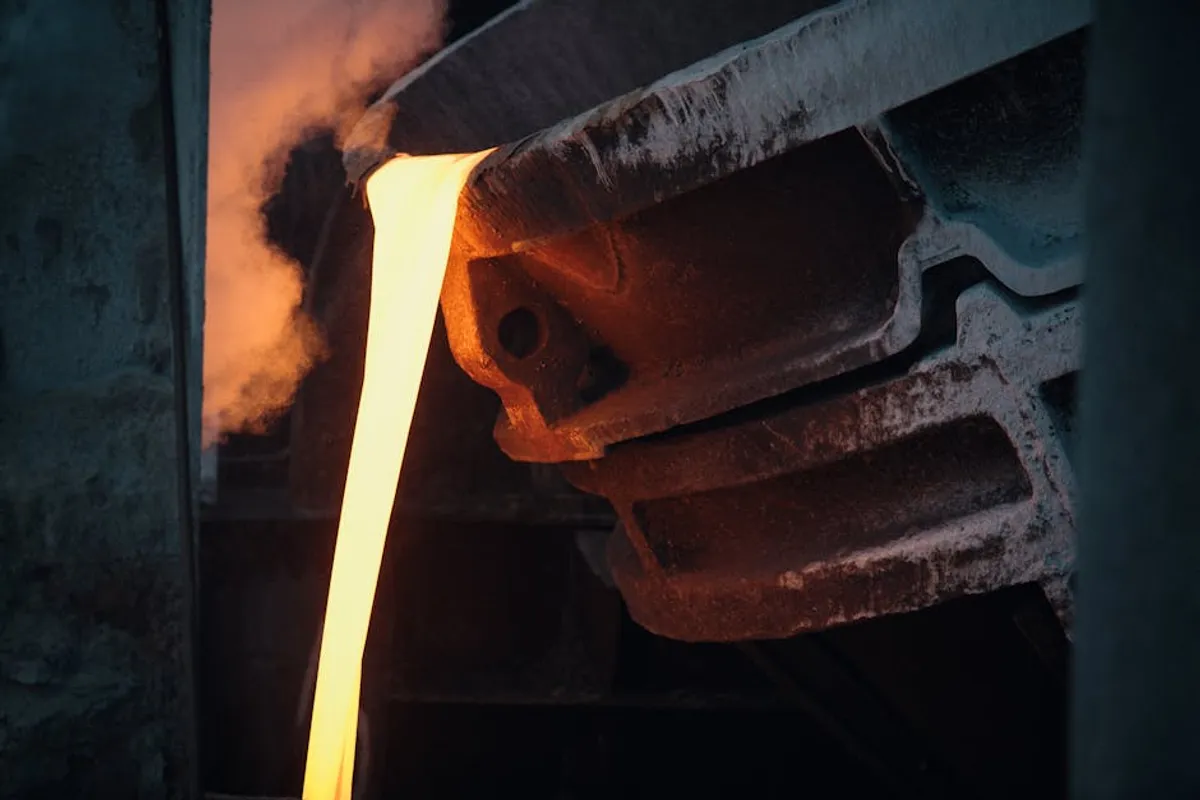
Traditionally, silver is the metal of choice for Navajo tufa casting, though gold is also used. The metal is placed in a crucible and heated with a torch until it reaches a molten state, typically around 1640°F (893°C) for sterling silver. Once the metal is liquid and shimmering, it is carefully and swiftly poured into the main sprue of the prepared tufa mold. The pour must be continuous and steady to prevent premature cooling or solidification within the channels.
Cooling, Opening, and Finishing
After the metal is poured, the mold is allowed to cool. The cooling time varies depending on the size of the casting. Once sufficiently cooled, the clamps or wires are removed, and the tufa stone halves are carefully separated. The newly cast piece, still attached to its sprue and vent channels, is then retrieved. The tufa mold is often broken or significantly altered during this process, making most tufa castings one-of-a-kind, as the original mold cannot be reused for identical pieces.
The finishing process involves:
- Removing the Sprue: The excess metal from the sprue and vent channels is cut away using jeweler's saws or snips.
- Filing and Sanding: The rough edges are filed smooth, and the entire piece is sanded to remove any sharp points or unwanted surface imperfections, while carefully preserving the characteristic tufa texture.
- Polishing: Depending on the desired aesthetic, the piece may be lightly polished to bring out a subtle shine on the high points, contrasting with the matte texture of the recessed areas. Some artists prefer a minimal polish to emphasize the raw, organic feel.
- Setting Stones: If the design includes stones, these are typically set after the casting and initial finishing stages are complete.
Distinctive Characteristics of Tufa Cast Jewelry
Tufa cast jewelry is recognizable by several key features:
- Unique Texture: The most prominent characteristic is the textured surface, which directly reflects the grain of the tufa stone. This can range from a subtle, fine grit to a more pronounced, organic pattern.
- Organic Forms: Designs often feature bold, substantial forms, reflecting the carving process in stone. While intricate details are possible, the overall aesthetic tends toward robust, sculptural shapes.
- One-of-a-Kind Nature: Due to the destructive nature of opening the mold, each tufa cast piece is essentially a unique creation, as the exact mold cannot be replicated.
- Weight and Substantiality: Tufa cast pieces often have a satisfying weight, contributing to their presence and perceived value.
Caring for Tufa Cast Pieces
Caring for tufa cast jewelry involves similar practices to other silver or gold pieces, with a slight consideration for its unique texture. Avoid harsh abrasives that could alter the surface finish. Gentle cleaning with a soft cloth and mild jewelry cleaner is generally sufficient. For silver pieces, regular wear can help prevent tarnishing, but if tarnish occurs, a silver polishing cloth designed for textured surfaces can be used carefully to restore luster without removing the characteristic texture.
Embracing the Handcrafted Legacy
The tufa casting technique is more than a method of metalworking; it is a direct link to Navajo artistic traditions and a testament to handcrafted artistry. Each piece carries the imprint of the stone and the hand of the artisan, offering a tangible connection to a unique cultural heritage. For those seeking jewelry with a distinct, organic aesthetic and a story rooted in traditional craftsmanship, tufa cast pieces provide a compelling option.
Frequently Asked Questions About Tufa Casting
What types of metal are typically used in tufa casting?
Sterling silver is the most common metal used in traditional tufa casting due to its workability and aesthetic appeal, but gold and other precious metals can also be cast using this technique.
Is tufa cast jewelry more durable than other types of jewelry?
The durability of tufa cast jewelry is primarily determined by the metal used, similar to other casting methods. The unique surface texture, however, can be more forgiving of minor scratches than highly polished surfaces.
How can I identify authentic tufa cast jewelry?
Authentic tufa cast jewelry is characterized by its distinct, often matte, textured surface that replicates the grain of the tufa stone. It typically features bold, sculptural designs and may show subtle irregularities inherent to the hand-carved, single-use mold process. Look for the absence of perfectly smooth, machine-finished surfaces.
Can tufa molds be reused?
Typically, tufa molds are single-use. The process of opening the mold to retrieve the casting often breaks or significantly alters the stone, making it difficult or impossible to reuse for an identical piece. This contributes to the unique nature of each tufa cast item.