
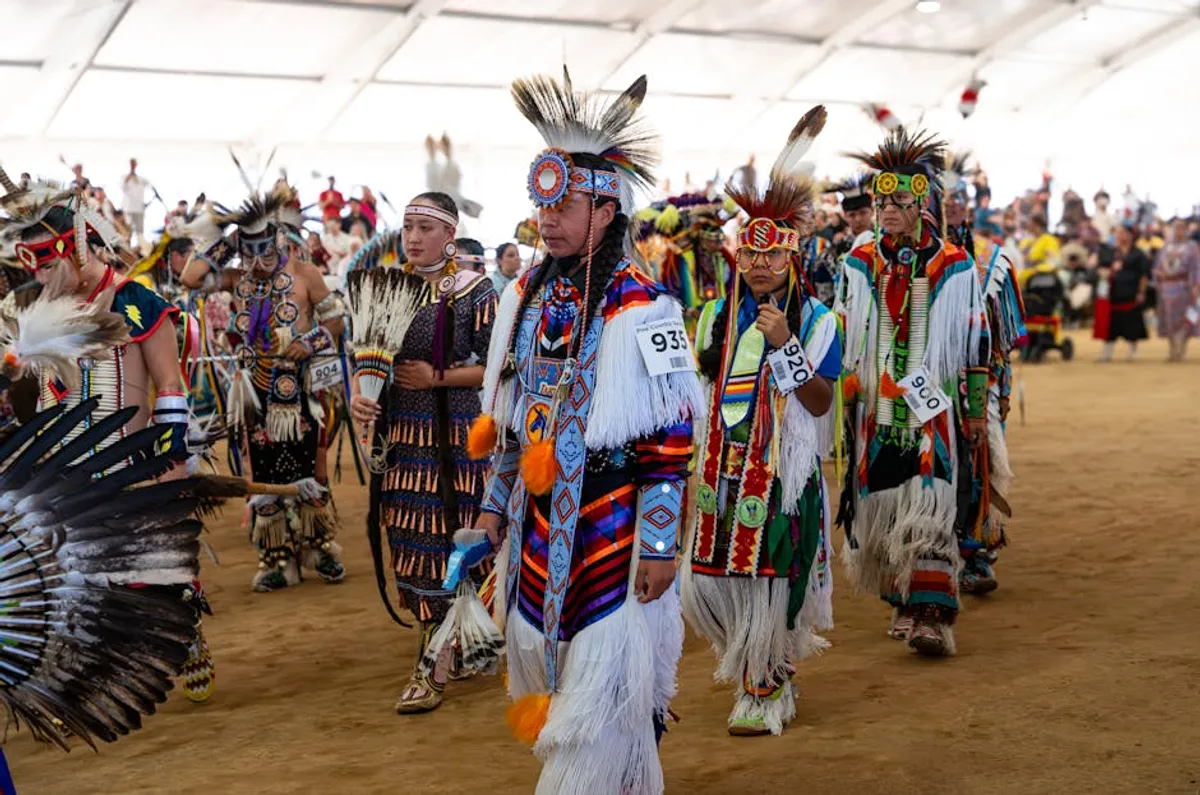
Native American beadwork represents more than decorative artistry; it functions as a complex visual language, conveying narratives, beliefs, and cultural identity through intricate patterns and symbolic motifs. For anyone engaging with this art form, whether as a collector, a marketer, or a content creator, understanding these underlying meanings is crucial. It moves appreciation beyond mere aesthetics, enriching the context and ensuring respectful representation. Ignoring these significances risks misinterpretation and diminishes the profound cultural value embedded in each piece. A deep dive into these patterns reveals a rich tapestry of history, spirituality, and community.
Historical Roots and Cultural Significance
The practice of beadwork among Indigenous peoples of North America predates European contact, originally utilizing natural materials like shells, porcupine quills, bones, and seeds. The introduction of glass beads by European traders in the 17th century revolutionized the art form, offering new colors and smaller, more uniform materials that allowed for greater intricacy and detail. This shift, however, did not diminish the spiritual or narrative purpose of the art. Instead, it provided new mediums for expressing long-held cultural beliefs and stories.
Beadwork served diverse functions within Native American communities: adorning ceremonial regalia, clothing, bags, and tools; signifying tribal affiliation or individual status; and acting as a form of historical record or spiritual communication. Each stitch and chosen bead contributed to a larger narrative, understood by community members and often carrying profound spiritual weight. The patterns are not random designs but deliberate choices reflecting a worldview deeply connected to nature, ancestral wisdom, and community values.
Decoding Common Beadwork Patterns and Their Meanings
Understanding the symbolism behind specific patterns is key to appreciating Native American beadwork. While meanings can vary by tribe and region, certain motifs recur with widely recognized interpretations.
Geometric Patterns
Geometric shapes are fundamental to many beadwork traditions, often representing elements of the natural world or abstract concepts.
- Diamonds: Often symbolize the four sacred directions, the cosmos, or connection to ancestors. In some contexts, they can represent the eye of a protective spirit.
- Triangles: When pointing upwards, they can signify mountains, aspiration, or strength. Pointing downwards, they may represent stability, home, or the earth. Paired triangles can form an hourglass shape, sometimes indicating the balance of life and death.
- Chevrons (Zigzags): Commonly represent lightning, swiftness, or powerful spiritual energy. They can also symbolize water, particularly rivers or rain, essential for life.
- Crosses: Distinct from Christian symbolism, Native American crosses often denote the four cardinal directions, the balance of the world, or the morning star.
Natural Motifs and Animal Symbolism
Animals, plants, and celestial bodies are frequently depicted, each carrying specific attributes and lessons.
- Bear Paw: Represents strength, leadership, and protection. It can also symbolize good fortune or a connection to healing.
- Eagle: Revered for its ability to fly high, the eagle symbolizes courage, wisdom, and spiritual connection. Its feathers are highly sacred.
- Turtle: Often represents Mother Earth, longevity, and steadfastness. The turtle's shell is seen as a protective shield.
- Feathers: Signify honor, wisdom, and connection to the Creator. The type and number of feathers can convey specific messages.
- Corn/Maize: A staple crop, corn symbolizes life, sustenance, prosperity, and fertility.
- Sun/Stars: Represent guidance, hope, and the cycle of life. The sun often signifies life-giving energy and warmth.
Abstract and Symbolic Representations
Some patterns convey more abstract ideas or elements not directly depicted.
- Water/Waves: Essential for life, these patterns symbolize purity, change, and the flow of existence.
- Mountains: Represent strength, endurance, and the sacred places where spirits reside.
- Paths/Trails: Often depict life's journey, choices, or the connection between places.
- Human Figures: While less common in abstract patterns, stylized human forms can represent family, community, or ancestral spirits.
Pro Tip: When describing or marketing Native American beadwork, avoid making definitive claims about specific tribal meanings without direct verification from an authoritative source or the artist themselves. Meanings can be nuanced and culturally specific; broad generalizations risk misrepresentation.
Regional Variations in Style and Interpretation
The diversity of Native American cultures is reflected in the regional variations of beadwork. For example:
- Plains Tribes: Known for intricate geometric designs, often using lazy stitch techniques on items like moccasins, pipe bags, and vests. Colors tend to be bold and contrasting.
- Southwestern Tribes: While less known for beadwork compared to weaving or silversmithing, when present, patterns often incorporate motifs found in pottery or textiles, reflecting desert landscapes and spiritual beliefs.
- Woodlands Tribes: Characterized by curvilinear, floral, and animal designs, often employing raised beadwork (appliqué) techniques. These patterns frequently depict local flora and fauna.
Recognizing these regional differences is vital for authentic representation and understanding the provenance of a piece. It underscores that "Native American beadwork" is not a monolithic art form but a collection of distinct traditions.
Leveraging Beadwork Meanings in Commercial Contexts
For marketers, content creators, and site owners, understanding the meanings behind Native American beadwork offers significant commercial advantages beyond superficial aesthetics. This knowledge enables:
- Enriched Product Descriptions: Instead of merely listing materials, descriptions can include the cultural narrative of a pattern, elevating the item's perceived value and connecting with buyers on a deeper level. For example, a piece featuring a bear paw motif can be described with its symbolism of strength and protection, rather than just "animal design."
- Targeted Content Creation: Develop articles, blog posts, or social media content that educates the audience on specific meanings, tribal variations, or historical context. This positions content as authoritative and respectful, attracting an audience interested in cultural depth.
- Authentic Storytelling: Craft compelling narratives around products that highlight the artist's heritage, the meaning of their chosen patterns, and the tradition they uphold. This builds trust and fosters a more engaged customer base.
- Ethical Marketing Practices: Ensure marketing accurately reflects the cultural origins and meanings, avoiding appropriation or misrepresentation. Partnering with Indigenous artists and communities, and clearly attributing designs, reinforces ethical sourcing and cultural respect.
This approach transforms a transactional exchange into an educational and culturally sensitive experience, fostering greater appreciation and loyalty.
Stewarding Cultural Narratives
Engaging with Native American beadwork patterns and their meanings requires a commitment to cultural sensitivity and respect. For businesses and individuals, this means prioritizing authenticity, supporting Indigenous artists directly, and educating audiences responsibly. By understanding and sharing the rich narratives embedded in each bead and pattern, we contribute to the preservation of invaluable cultural heritage while also enriching commercial offerings with depth and integrity. This approach ensures that the commercial engagement with beadwork also serves as a platform for cultural education and appreciation, benefiting both consumers and the communities whose traditions are being shared.
Frequently Asked Questions
What is the difference between traditional and contemporary Native American beadwork?
Traditional beadwork often refers to pieces made with historically accurate materials and techniques, reflecting older tribal styles and motifs. Contemporary beadwork incorporates modern materials, tools, and artistic interpretations while still drawing inspiration from traditional forms and cultural meanings. Both are valid expressions of Indigenous art.
How can I ensure the beadwork I purchase is authentic and ethically sourced?
Look for direct provenance from Indigenous artists or reputable galleries and organizations that explicitly state their commitment to ethical sourcing and fair trade practices. Many artists include artist statements or tribal affiliations with their work. Avoid generic mass-produced items that lack specific cultural attribution.
Do all Native American tribes use the same beadwork patterns and meanings?
No, beadwork patterns and their meanings vary significantly between different Native American tribes and regions. Each nation has its unique cultural traditions, spiritual beliefs, and artistic styles, which are reflected in their beadwork. Generalizations should be avoided, and specific tribal contexts should be sought out.
Can I use Native American beadwork patterns in my own crafts?
Using traditional Native American beadwork patterns in personal crafts without understanding their cultural significance or without permission from the originating community can be seen as cultural appropriation. It is generally recommended to appreciate and purchase authentic Indigenous art rather than replicating traditional designs, especially for commercial purposes.