Deciding whether to restore an antique Navajo rug involves weighing historical preservation against practical considerations and financial investment. These textiles are not merely decorative items; they represent significant cultural heritage and often carry considerable monetary value. However, damage from wear, pests, or improper storage can compromise their integrity. The choice to restore impacts the rug's aesthetic, its long-term stability, and its potential market value. This decision requires careful assessment of the rug's current condition, the extent of damage, the proposed restoration methods, and the rug's intended future role.
Assessing the Rug's Condition and Value
Before considering restoration, a thorough evaluation of the rug's current state is essential. This assessment should cover the type of damage, its severity, and its impact on the rug’s structural integrity. Common issues include moth damage, unraveling edges, holes, fading from sun exposure, and staining. The rug’s original condition, prior repairs, and weaving quality all contribute to its inherent value. A rug with extensive, irreversible structural damage might not be a candidate for full restoration if the goal is to maintain or increase its market value. Conversely, a rug with significant historical or sentimental value might warrant restoration regardless of its commercial worth.
Key considerations for assessment:
- Extent of damage: Differentiate between minor wear (frayed edges, small holes) and major structural compromise (large tears, significant loss of warp or weft).
- Type of wool and dyes: Original hand-spun Churro wool and natural dyes often indicate higher quality and historical significance, making careful restoration more critical.
- Weaving pattern and rarity: Unique patterns, specific regional styles, or rare designs can increase a rug's intrinsic value, influencing the decision to invest in restoration.
- Prior repairs: Poorly executed past repairs can complicate new restoration efforts and may need to be undone first, adding to complexity and cost.
Understanding Restoration Costs
Restoration of antique Navajo rugs is a labor-intensive, specialized craft, and costs reflect the expertise required. These costs are typically calculated based on the conservator's hourly rate, the complexity of the repair, and the materials needed. Matching original wool type, spin, and dye colors is paramount to an authentic restoration, often requiring custom-dyed wool. For example, reweaving a significant hole can involve reconstructing both warp and weft threads, meticulously matching tension and pattern. This process demands a high degree of skill and time, often resulting in expenses that can rival or exceed the rug's current market value, especially for less rare or common pieces. Understanding this financial commitment upfront is crucial for making an informed decision.
Cost-driving factors:
Labor: The primary cost component, reflecting the specialized skills and hours required for intricate reweaving, patching, and cleaning processes.
Materials: Sourcing or custom-dyeing wool to match the original fibers in terms of texture, thickness, and color. This can include natural dyes if replicating historical methods.
Size and complexity: Larger areas of damage or highly intricate patterns demand more time and precision, directly increasing the overall cost.
Considering the Rug's Intended Use
The purpose for which an antique Navajo rug is intended significantly influences the restoration decision. A rug destined for active floor use will require a more robust and complete restoration to withstand foot traffic, focusing on structural integrity and durability. In such cases, the restoration might be more visible but ensures the rug's functionality. Conversely, a rug intended for display as a wall hanging or a museum piece might only require stabilization to prevent further deterioration, with less emphasis on aesthetic perfection. For investment-grade rugs, the goal is often minimal, conservative intervention to preserve originality and prevent further loss, as over-restoration can sometimes diminish collector value.
The Restoration Process: What to Expect
Finding a Qualified Conservator
Selecting the right conservator is the most critical step in the restoration process. An experienced professional will possess deep knowledge of Navajo weaving techniques, materials, and cultural context. They should be able to identify original dyes, wool types, and weaving styles specific to various Navajo periods and regions. A reputable conservator will provide a detailed assessment, a clear proposal outlining the recommended treatments, estimated costs, and a timeline. Requesting references and reviewing their portfolio of past work, particularly on similar Navajo textiles, can provide insight into their expertise and quality of work. Avoid conservators who propose aggressive cleaning methods or promise "invisible" repairs without thorough explanation.
Common Restoration Techniques
Restoration techniques for Navajo rugs are highly specialized, focusing on preserving the rug's integrity while addressing damage. These methods aim to integrate new materials seamlessly with the original.
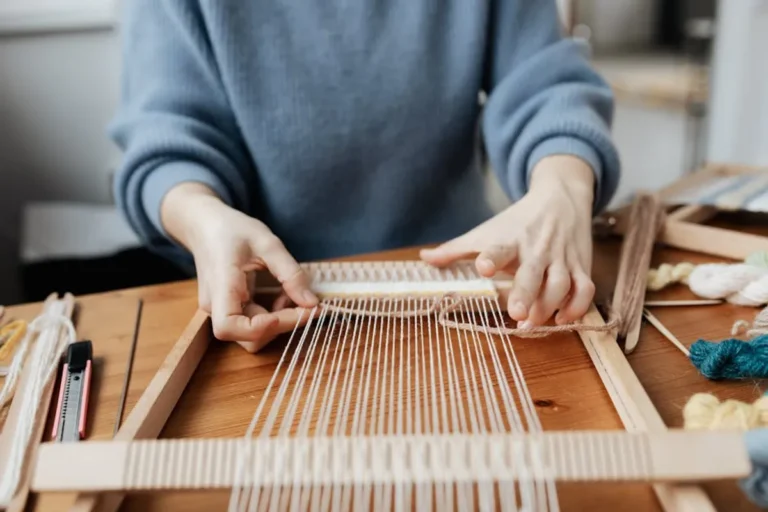
Reweaving: This technique involves meticulously reconstructing lost areas of the rug by weaving new warp and weft threads to match the original pattern, tension, and color. It is a highly skilled process that can make a damaged area almost indistinguishable from the original.
Patching: For larger, more complex holes, a conservator might opt to patch the area using a section of a similar, period-appropriate rug. This requires careful selection of donor material to match the original rug's characteristics.
Stabilization: This involves securing loose threads, reinforcing weak areas, or mending small tears to prevent further unraveling or damage. It's often a less invasive approach, particularly for rugs where full reweaving isn't necessary or desired.
Cleaning: Specialized cleaning methods are employed to remove dirt, grime, and environmental pollutants without damaging delicate fibers or causing dye bleed. This often involves hand-washing with pH-neutral solutions and careful drying.
Alternatives to Full Restoration
Preservation and Stabilization
For many antique Navajo rugs, particularly those with significant age or extensive damage, full restoration may not be the most appropriate or cost-effective solution. Preservation focuses on halting further deterioration and protecting the rug in its current state. This can involve professional cleaning to remove harmful contaminants, securing loose edges or small tears to prevent expansion, and museum-quality mounting for display. Environmental control, such as maintaining stable humidity and temperature, and protecting the rug from direct sunlight and pests, are crucial preservation measures. This approach honors the rug's history and patina without altering its original fabric significantly.
Displaying "As Is"
Embracing the rug's current condition, including its wear and imperfections, is a valid and often preferred approach for many collectors and enthusiasts. A rug displayed "as is" tells a story of its journey through time, with each faded area or worn spot reflecting its history and use. This approach avoids the costs and potential risks associated with restoration and preserves the rug's authentic character. For these rugs, the focus shifts to safe display methods, such as proper support for wall hangings to distribute weight evenly, and ensuring the rug is in an environment free from pests and direct light that could cause further damage.
Pro Tip: Never attempt to clean or repair an antique Navajo rug yourself using commercial cleaning products or untrained methods. Improper cleaning can cause irreversible dye bleed, fiber damage, and structural weakening, significantly diminishing the rug's value and historical integrity. Always consult a professional textile conservator for assessment and treatment recommendations.
Making the Informed Choice
The decision to restore an antique Navajo rug is deeply personal, balancing historical respect, aesthetic preference, and financial realities. Engage with a professional textile conservator early in the process. Their expertise can clarify the extent of damage, the feasibility of various treatments, and the potential impact on the rug's value. Consider the rug's story, its place in your collection, and its intended future. Sometimes, the most respectful action is to stabilize and preserve, allowing the rug's journey to remain visible, while other pieces may benefit from careful, expert restoration that extends their life and utility. Your choice should align with your goals for the rug, ensuring its legacy is honored and protected.
Frequently Asked Questions
Does restoring an antique Navajo rug increase its value?
Not always. While expert, conservative restoration can stabilize a rug and prevent further loss, thus preserving its value, it rarely increases the market price significantly beyond its pre-restoration state, especially if the cost of repair is high relative to the rug's inherent value. Over-restoration or poorly executed repairs can actually decrease value.
How can I find a reputable Navajo rug conservator?
Seek referrals from established antique textile dealers, museums, or academic institutions specializing in Native American arts. Professional organizations for textile conservators often maintain directories of qualified members. Always request to see examples of their work and speak with previous clients.
What are the risks of restoration?
Risks include improper dye matching, use of non-period-appropriate materials, alteration of the rug's original character, and potential for further damage if the conservator lacks specific expertise in Navajo weaving. These risks underscore the importance of selecting a highly qualified specialist.
What is the best way to care for an antique Navajo rug that isn't being restored?
Ensure it is displayed away from direct sunlight, moisture, and high-traffic areas. Use a padded underlay if on the floor, or proper support if hung on a wall. Regular, gentle vacuuming (with low suction) and professional inspection every few years can help prevent deterioration and identify pest issues early.