Crow beadwork represents a distinct and culturally rich artistic tradition among Indigenous peoples, particularly the Apsáalooke (Crow) Nation. For collectors, cultural institutions, and enthusiasts, understanding the nuances of its history, characteristic colors, and valuation criteria is essential. This art form is not merely decorative; it serves as a historical record, a marker of identity, and a testament to enduring craftsmanship. Identifying authentic pieces, appreciating their cultural context, and assessing their market value requires knowledge of specific techniques, material evolution, and the unique aesthetic choices that define Crow creations.
History and Cultural Significance of Crow Beadwork
The Apsáalooke people, known for their equestrian culture and prominent role on the Northern Plains, developed a beadwork tradition that evolved significantly over centuries. Initially, decorative elements served practical purposes on clothing, regalia, and ceremonial items, often imbued with spiritual meaning. The shift from natural materials to glass beads marked a pivotal change, expanding artistic possibilities and establishing new aesthetic standards.
Early Materials and Techniques
Before the widespread availability of glass beads, Crow artisans utilized a range of natural materials for adornment. These included porcupine quills, bone, shells, elk teeth, and seeds. Quillwork, a laborious process of flattening and dyeing porcupine quills before stitching them onto hide, was the predominant decorative art form. Designs were often geometric, reflecting spiritual beliefs and clan affiliations. Pigments derived from plants and minerals provided a limited but vibrant palette for these early works.
Evolution with European Contact
The introduction of glass beads by European traders in the 18th and 19th centuries revolutionized Indigenous artistry. Initially, larger "pony beads" were traded, followed by smaller "seed beads" which allowed for much finer detail. The Crow quickly adopted these new materials, integrating them into their existing artistic vocabulary. This period saw a transition from quillwork to beadwork, though quillwork continued to be practiced for specific items. Crow beadwork from this era is characterized by its bold designs, often covering entire surfaces of objects like pipe bags, moccasins, and cradles. The availability of a wider color spectrum also influenced artistic expression, leading to the development of the distinctive Crow palette.
Distinctive Colors and Motifs
Crow beadwork is immediately recognizable due to its specific color combinations and design principles. Unlike some neighboring tribes that favored delicate floral patterns or stark geometric contrasts, Crow artisans developed a style that balances intricate detail with broad, impactful statements.
The "Crow Palette"
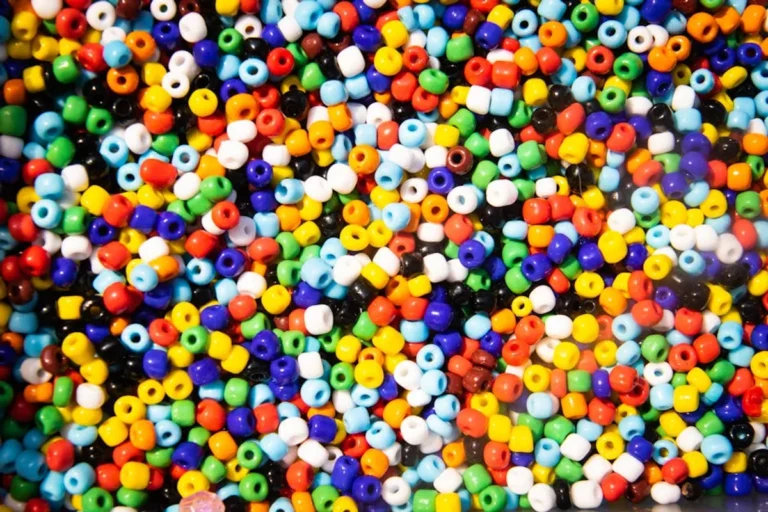
A hallmark of authentic Crow beadwork is its characteristic color scheme. While individual preferences varied, certain colors became dominant and are strongly associated with the Apsáalooke tradition. These typically include:
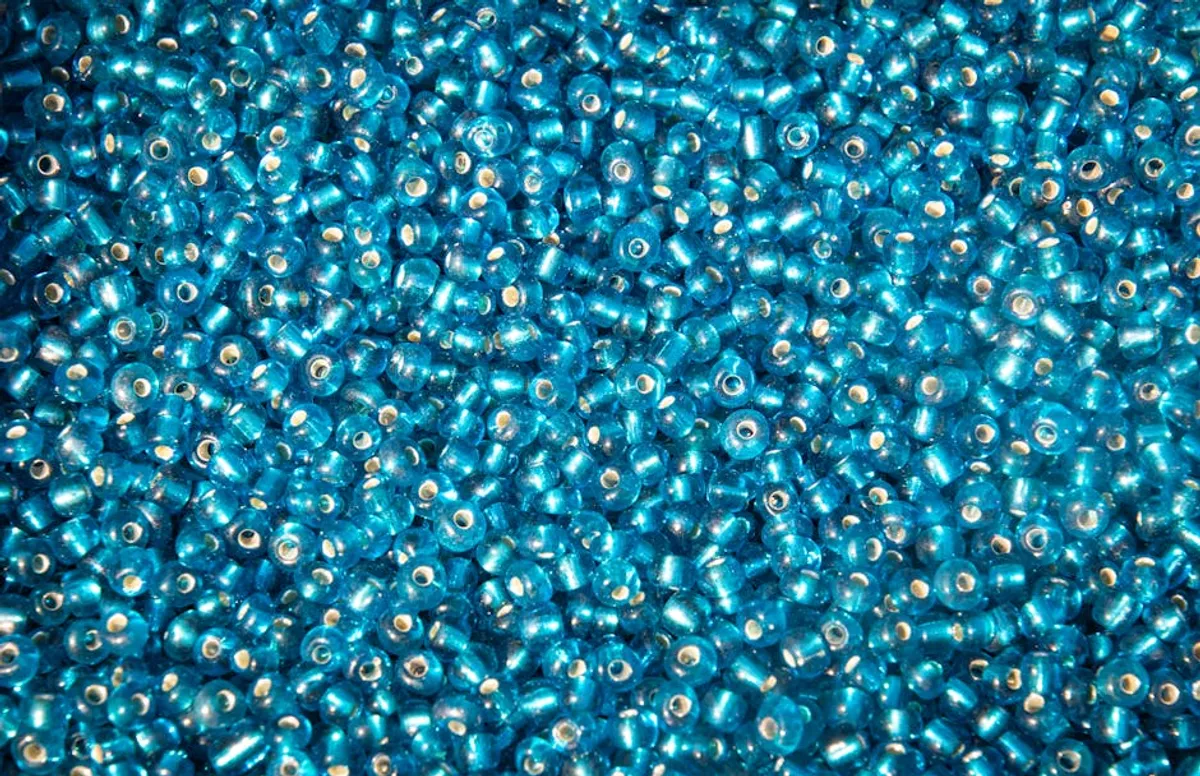
- Light Blue: Often a sky blue or robin's egg blue, frequently used as a background color.
- Greens: Various shades, from emerald to a deep forest green.
- Pinks and Reds: Vibrant fuchsia, rose, and deep crimson.
- Yellows: Bright, sunny yellows and golden ochre tones.
- Orange: Often a rich, saturated hue.
- White: Used for outlining and contrast, providing visual separation.
- Black: Employed sparingly for definition or specific pattern elements.
The combination of these bright, often pastel-leaning colors, applied with precision, creates a visually harmonious yet striking effect. This palette distinguishes Crow pieces from the darker, more somber tones sometimes found in other Plains beadwork traditions.
Common Designs and Symbolism
Crow beadwork frequently features bold geometric patterns, though floral and realistic designs also appear, particularly in later periods influenced by contact with other tribes or European styles. Common motifs include:
- Lazy Stitch: A foundational technique where beads are strung on thread and then sewn down in short rows, creating a ribbed texture. This is highly characteristic of Plains beadwork, including Crow.
- Lane Stitch: Similar to lazy stitch but with longer rows.
- Overlay Stitch: Used for more intricate, curvilinear designs, where each bead is individually sewn down.
- Rectangles and Squares: Often arranged in stepped or stacked patterns.
- Triangles and Diamonds: Frequently incorporated into borders and central designs.
- Crosses and Stars: Symbolic representations, often with spiritual significance.
- Open Spaces: Unlike some traditions that aim for full bead coverage, Crow pieces sometimes incorporate areas of exposed hide or cloth, allowing the base material to become part of the design.
The arrangement and repetition of these motifs are not random; they often carry cultural meanings related to cosmology, natural elements, or personal narratives, though specific interpretations are often held within the community.
Assessing Value in Crow Beadwork
For collectors and those interested in the commercial aspect of Indigenous art, determining the value of Crow beadwork involves a multi-faceted evaluation. This goes beyond mere aesthetics to encompass historical context, craftsmanship, and market dynamics.
Factors Influencing Authenticity and Rarity
The age of a piece significantly impacts its value. Early 19th-century works are exceptionally rare and command higher prices due to their historical significance and the materials used. The type of beads—pony beads versus seed beads—can help date a piece. Genuine antique pieces often show signs of wear consistent with their age and use. The quality of the beadwork itself—evenness of stitches, precision of design, and consistency of bead size—is paramount. Master artisans are recognized for their exceptional skill, and their work, even if unsigned, can be identified by experts.
Pro Tip: When evaluating Crow beadwork for authenticity and value, always scrutinize the thread used. Early pieces utilize sinew or cotton thread. The presence of modern synthetic threads or glues on a piece purporting to be antique is a significant red flag, indicating either a repair or a reproduction.
Condition and Provenance
The physical condition of a beadwork piece directly affects its value. Minor bead loss, fading, or damage to the underlying hide or fabric can reduce desirability. However, some wear is expected and even appreciated in antique items as it speaks to their history of use. Pieces in excellent, original condition are highly sought after. Provenance, or the documented history of ownership, is crucial. A piece with a clear lineage, especially one that can be traced to a specific family, individual, or collection, adds immense value and helps authenticate its origin. Documentation, such as old photographs, receipts, or oral histories, can significantly enhance a piece's desirability and market price.
Preserving and Collecting Crow Beadwork
Responsible collecting of Crow beadwork involves understanding its cultural significance and ensuring its long-term preservation. This means proper storage, handling, and ethical acquisition. Avoiding direct sunlight, maintaining stable humidity levels, and protecting pieces from pests are fundamental conservation practices. When acquiring pieces, seek reputable dealers or auction houses specializing in Native American art who can provide documentation and ensure ethical sourcing.
Key Considerations for Collectors:
- Research: Understand the specific historical periods, techniques, and materials.
- Condition: Assess bead loss, fading, tears, and overall integrity.
- Provenance: Seek documented history of ownership.
- Cultural Context: Appreciate the piece as more than an object; it is a cultural artifact.
- Ethical Sourcing: Ensure the piece was acquired legally and respectfully.
Understanding Market Dynamics
The market for Crow beadwork is influenced by trends in Indigenous art, the availability of high-quality pieces, and the expertise of collectors and institutions. Rarer forms, such as fully beaded dresses, war shirts, or horse gear, command premium prices. Smaller items like pipe bags, strike-a-light bags, or moccasins are more common but still valuable, especially if they exhibit exceptional craftsmanship and good condition. The commercial value often reflects the intersection of artistic merit, historical authenticity, and cultural resonance.
Practical Insights for Engagement
Engaging with Crow beadwork, whether as a collector, researcher, or admirer, requires a commitment to learning and respect. Understanding the artistry involves recognizing the labor-intensive nature of beadwork, the specific cultural meanings embedded in designs, and the generational knowledge passed down through Crow families. This appreciation enriches the experience beyond a purely transactional view, connecting individuals with a vibrant and enduring artistic heritage.
Frequently Asked Questions
What is the "lazy stitch" technique in Crow beadwork?
The lazy stitch is a common beadwork technique where a small number of beads (typically 5-10) are strung onto a thread, then the thread is tacked down to the hide or fabric at regular intervals, creating parallel rows with a slightly raised, ribbed texture. This technique allows for rapid coverage and is characteristic of many Plains beadwork traditions.
How can I distinguish authentic antique Crow beadwork from reproductions?
Authentic antique pieces often show consistent wear, use natural sinew or cotton thread, and feature glass beads with slight irregularities in size and shape. Reproductions may use modern synthetic threads, perfectly uniform beads, and show artificial aging or lack the nuanced patina of genuine age. Provenance and expert appraisal are crucial for verification.
Are certain colors more valuable in Crow beadwork?
While no single color dictates value, the use of the characteristic "Crow palette" (light blues, greens, pinks, yellows, oranges, and white) is a key identifier of the style and contributes to its authenticity and desirability. The quality of the dyes and the vibrancy of the original beads also play a role.
What types of items were traditionally adorned with Crow beadwork?
Crow beadwork adorned a wide range of items, including clothing (shirts, dresses, leggings, moccasins), personal accessories (pipe bags, strike-a-light bags, knife sheaths, pouches), ceremonial objects, and horse regalia (martingales, cruppers, saddle blankets). The type of item often indicates its purpose and cultural significance.