
Native American table runners are more than decorative textiles; they represent centuries of cultural heritage, intricate weaving traditions, and artistic expression. For those seeking to integrate these unique pieces into their homes, understanding the craftsmanship, authenticity, and design principles involved is crucial. This guide provides a framework for appreciating and selecting these runners, ensuring an informed purchase that honors their origin and enhances your living space.
Understanding Native American Weaving Traditions
The art of weaving among Native American tribes is diverse, with each community developing distinct styles, patterns, and material preferences. These traditions are often passed down through generations, embodying spiritual beliefs, historical narratives, and environmental influences.
Key Regional Styles and Characteristics
While many tribes possess weaving traditions, certain regions and groups are particularly renowned for their table runners and textiles:
- Navajo (Diné) Weaving: Originating in the American Southwest, Navajo textiles are perhaps the most widely recognized. They are known for their intricate geometric patterns, often incorporating diamonds, zigzags, and stepped motifs. Traditional Navajo rugs and runners are typically woven from hand-spun churro wool, dyed with natural pigments derived from plants and minerals, though commercial dyes gained popularity in later periods. Styles vary by region, such as the bold reds of Ganado, the subtle grays and blacks of Two Grey Hills, or the pictorial designs that emerged in the early 20th century.
- Pueblo Weaving: Tribes like the Hopi and Zuni also have rich weaving histories, often utilizing cotton alongside wool. Their designs can feature more abstract or symbolic elements, sometimes incorporating figures or ceremonial motifs. Pueblo weaving tends to be tighter and often features a distinct border.
- Rio Grande Weaving: Influenced by Spanish colonial techniques, Rio Grande textiles from New Mexico often feature stripes, bands, and serape-style patterns. These pieces frequently use vibrant colors and a blend of wool and cotton.
Materials and Dyes
Authentic Native American runners are predominantly woven from wool, particularly sheep's wool, which provides durability and a rich texture. The quality of the wool—whether hand-spun or commercially processed—significantly impacts the runner's feel and longevity. Traditional dyes, sourced from plants, insects, and minerals, produce nuanced, earthy tones that age gracefully. Modern weavers may use high-quality synthetic dyes to achieve a broader, more consistent color palette while still honoring traditional patterns and techniques.
Identifying Authentic Table Runners
The market for Native American textiles includes both genuine handcrafted pieces and mass-produced imitations. Recognizing key indicators of authenticity ensures you are acquiring a culturally significant item and supporting legitimate artists.
What to Look For
When examining a potential purchase, consider these details:
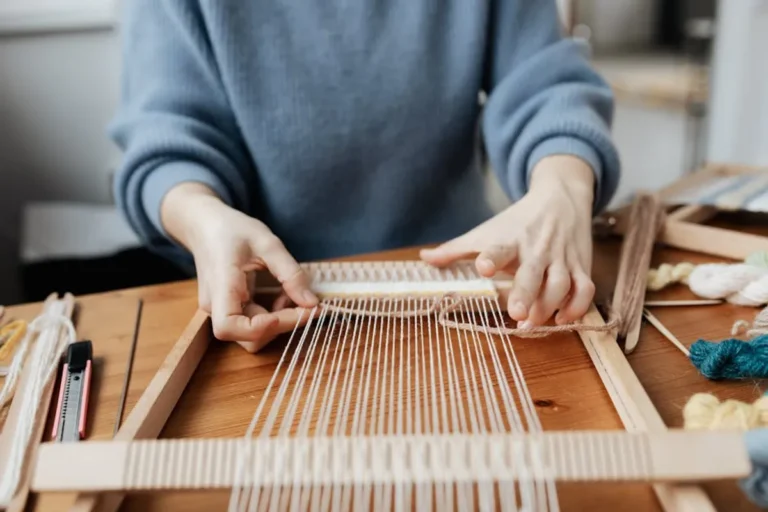
- Weave Tightness and Consistency: Handwoven runners, especially those from experienced weavers, exhibit a tight, even weave. The threads should be closely packed, preventing light from passing through easily. Inconsistencies in tension or spacing can indicate a less experienced hand or machine production.
- Selvedge Edges: Many traditional Native American textiles feature a continuous, finished edge known as a selvedge. This means the warp threads run from one end of the rug to the other without being cut and tied off, creating a strong, durable border. The presence of a four-sided selvedge is a strong indicator of authenticity, particularly in Navajo weaving.
- Yarn Quality: Hand-spun wool often has slight variations in thickness, giving the textile a unique texture and character. Commercial yarns are more uniform. While both can be used in authentic pieces, hand-spun wool indicates a more traditional and labor-intensive process.
- Dye Penetration: Natural dyes tend to penetrate wool fibers more deeply and unevenly than some commercial dyes, resulting in subtle color variations within a single strand. This depth of color is difficult to replicate with industrial processes.
- Provenance and Artist Information: Reputable dealers and galleries can provide detailed information about the weaver, tribe, and region of origin. Documentation, such as a certificate of authenticity or artist biography, adds significant value and verifies the piece's heritage.
Pro Tip: Always prioritize purchasing from established galleries, tribal co-ops, or direct from the artists themselves. This ensures that your investment supports the Native American community and that you receive an authentic, ethically sourced piece. Be wary of sellers who cannot provide any background information on the runner's origin or maker.
Decorating with Native American Table Runners
Integrating a Native American table runner into your home decor offers an opportunity to introduce rich textures, colors, and cultural depth. These pieces are versatile and can serve as striking focal points or subtle accents.
Placement and Styling
Table runners are traditionally placed lengthwise down the center of a dining table, but their use extends beyond this conventional application:
- Dining Tables: A runner creates a defined centerpiece, allowing for seasonal decor, candles, or serving dishes. Choose a runner that complements your dining room's color scheme and material finishes. For a formal setting, a tightly woven, geometrically patterned runner adds sophistication. For a more casual feel, a runner with softer textures and earthy tones can ground the space.
- Console and Entryway Tables: Draped over a console table, a runner can soften hard lines and add visual interest to an entryway or hallway. Pair it with a simple vase, a few books, or a piece of pottery to create a welcoming vignette.
- Coffee Tables: On a coffee table, a smaller runner can protect the surface while adding a layer of texture and color. It serves as a foundation for decorative objects like art books, sculptural elements, or a tray with remote controls.
- Wall Hangings: Many table runners, particularly those with intricate designs or significant cultural meaning, can be displayed as wall art. This transforms the textile into a focal point, showcasing its craftsmanship and artistic merit. Ensure proper hanging methods to protect the fibers.
Complementary Decor Styles
Native American runners blend effectively with various interior design aesthetics:
- Rustic and Southwestern: This is a natural pairing. Runners enhance the warmth of natural wood, leather, and stone elements.
- Minimalist: In a minimalist setting, a single, well-chosen runner can introduce a powerful statement of color and pattern without clutter. Its texture provides depth against clean lines and neutral palettes.
- Bohemian: Layering patterns and textures is key to bohemian decor. A Native American runner can be combined with other global textiles, plants, and natural materials for an eclectic, lived-in feel.
- Contemporary: A geometrically patterned runner can provide a striking contrast in a contemporary space, adding an organic, handcrafted element to modern furnishings.
Caring for Your Runner
Proper care is essential for preserving the beauty and longevity of your Native American table runner. Due to their natural fibers and often delicate dyes, specific cleaning and storage methods are recommended.
- Regular Dusting: Gently shake or lightly vacuum your runner using a low-suction setting and a clean attachment. Avoid beater bars, which can damage fibers.
- Spot Cleaning: For small spills, blot immediately with a clean, white cloth. Use a mild, pH-neutral wool cleaner sparingly, testing on an inconspicuous area first. Avoid harsh chemicals or excessive moisture.
- Professional Cleaning: For deep cleaning or significant stains, consult a professional textile conservator or a dry cleaner specializing in wool rugs and antique textiles. Do not machine wash or tumble dry, as this can cause shrinkage, color bleeding, and fiber damage.
- Protection from Sunlight: Prolonged exposure to direct sunlight can fade natural dyes. Rotate your runner periodically or use UV-filtering window treatments to minimize sun damage.
- Pest Control: Wool is susceptible to moths and carpet beetles. Keep your runner clean and periodically inspect it. If storing, use breathable cotton bags and cedar repellents, avoiding mothballs which can leave a lasting odor.
Selecting and Integrating Cultural Textiles
Choosing a Native American table runner is an opportunity to invest in a piece of art that carries significant cultural weight and aesthetic appeal. By understanding the weaving traditions, verifying authenticity, and planning its integration into your decor, you ensure that your runner is not only a beautiful addition but also a respectful nod to its heritage. These textiles offer a unique way to tell a story within your home, connecting you to a rich legacy of craftsmanship and design.
Frequently Asked Questions
What materials are typically used in Native American table runners?
Most authentic Native American table runners are woven from wool, particularly sheep's wool, which is valued for its durability and texture. Some traditions, like Pueblo weaving, may also incorporate cotton.
How can I tell if a Native American table runner is authentic?
Look for a tight, consistent weave, the presence of four-sided selvedge edges, and potential variations in hand-spun yarn. Reputable sellers should also provide provenance and artist information.
Can these runners be machine washed?
No, Native American table runners should generally not be machine washed. This can cause shrinkage, color bleeding, and damage to the fibers. Professional dry cleaning or specialized textile conservation is recommended for deep cleaning.
What do the patterns on Native American runners signify?
Patterns often carry deep cultural and spiritual meanings, representing elements of nature, cosmology, tribal histories, or personal narratives of the weaver. Specific meanings can vary significantly between different tribes and individual artists.