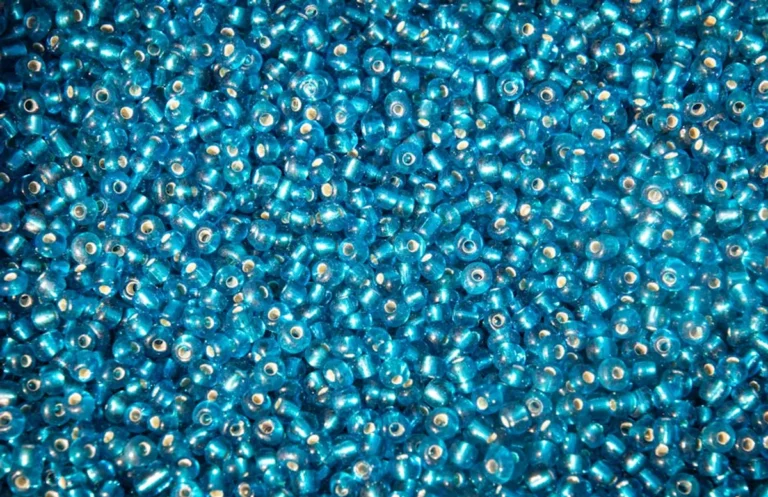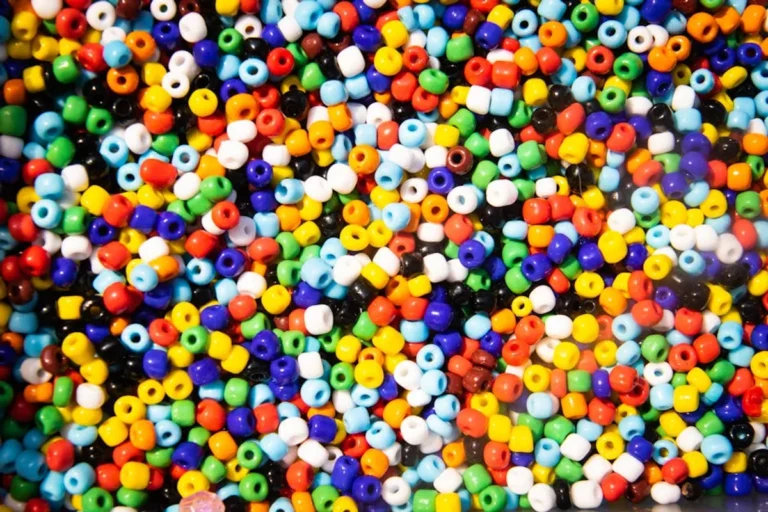
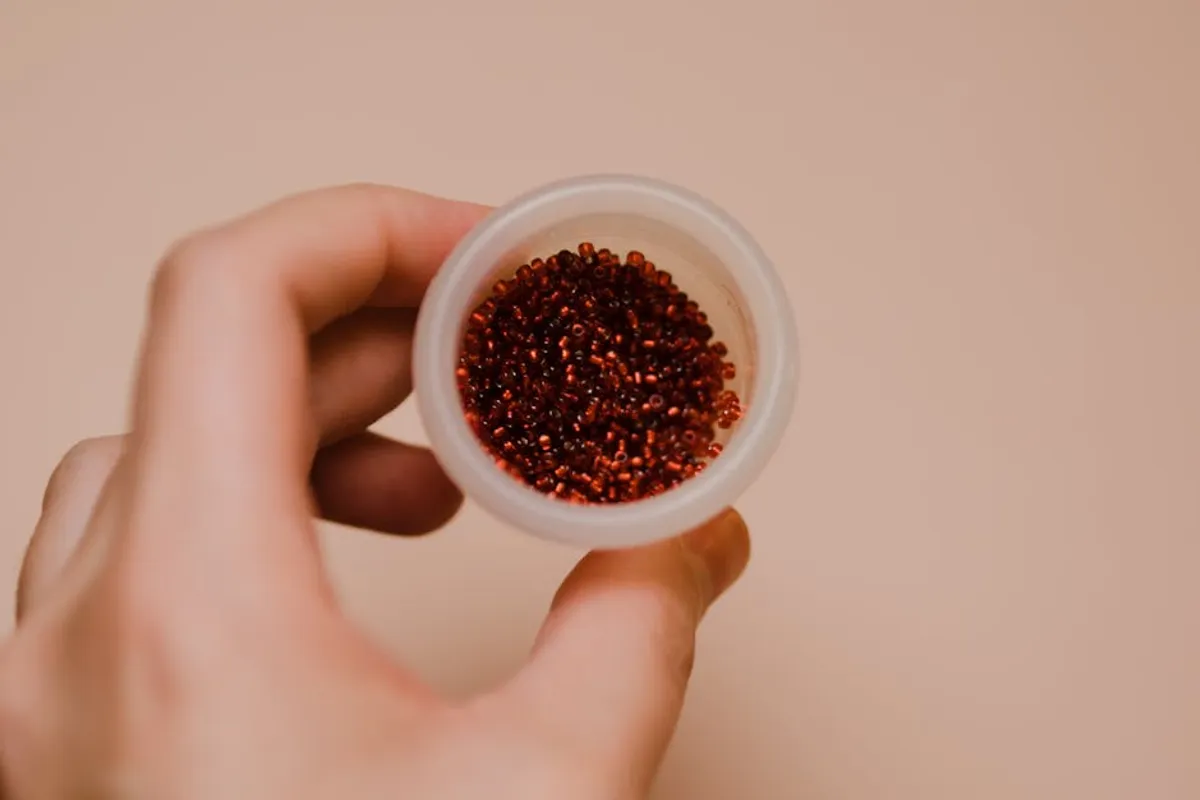
Seed beads, small glass beads typically less than 5.5 millimeters in diameter, have been integral to Native American artistic expression for centuries. Their introduction fundamentally altered traditional adornment and cultural storytelling, evolving from a trade commodity to a cornerstone of distinct artistic traditions across North America. Understanding the history and diverse applications of these beads provides critical insight into indigenous craftsmanship, cultural exchange, and the enduring legacy of Native American art forms.
The Arrival and Evolution of Seed Beads
Before European contact, Native American artisans utilized natural materials for adornment, including porcupine quills, shells (like wampum), bone, seeds, and metal. The arrival of European traders in the 15th and 16th centuries marked a significant shift with the introduction of glass beads, particularly seed beads. These beads, primarily manufactured in Venice and later in Bohemia (modern-day Czech Republic), offered a new palette of colors, consistent sizing, and durability that natural materials often lacked.
Early Trade and Material Impact
Initially, glass beads were highly valued trade goods, exchanged for furs and other resources. Their novelty and vibrant colors quickly integrated into existing artistic practices. Early beads were often larger, opaque, and limited in color range. As trade routes expanded and manufacturing techniques improved, smaller, more diverse seed beads became available. This accessibility spurred innovation, allowing for finer detail and more intricate patterns than previously possible with quills or larger natural beads. The ease of working with glass beads, compared to the labor-intensive process of preparing quills or carving shells, also contributed to their widespread adoption.
Shifting Techniques and Styles
The transition from quillwork to beadwork was not a simple replacement but an evolution. Many traditional quillwork patterns and stitching techniques were adapted to glass beads. For instance, the "lazy stitch" or "lane stitch," common among Plains nations, mimics the banded appearance of quillwork by sewing short rows of beads onto a surface. Other techniques, such as the "overlay stitch" (also called "spot stitch"), allowed for curvilinear and pictorial designs by individually couching beads onto a surface. The availability of a vast spectrum of colors also encouraged artists to develop complex color gradients and symbolic palettes specific to their nations and regions.
Diverse Uses Across Native American Nations
Seed beads were not merely decorative; they were woven into the fabric of daily life, ceremony, and cultural identity. Their application extended beyond personal adornment to utilitarian objects, spiritual items, and historical records.
Ceremonial and Regalia Applications
Beadwork became a prominent feature in ceremonial regalia, conveying status, spiritual connection, and tribal affiliation. Items such as war shirts, moccasins, pipe bags, and dance outfits were meticulously beaded with designs carrying deep cultural meaning. These pieces were often reserved for significant events, reflecting the wearer's accomplishments, lineage, or spiritual role within the community. The labor and skill invested in creating such regalia underscored their importance.
Everyday Objects and Decorative Arts
Beyond ceremonial use, seed beads adorned a multitude of everyday objects, transforming functional items into works of art. Examples include:
- Pouches and Bags: Bandolier bags, strike-a-light bags, and tobacco pouches often featured elaborate beadwork.
- Clothing Accessories: Belts, gauntlets, and dresses incorporated beaded elements.
- Cradleboards: These vital carriers for infants were frequently embellished with protective and symbolic beadwork.
- Horse Trappings: Saddle blankets, bridles, and cruppers were beaded, reflecting the importance of horses in many cultures.
These items demonstrated a blend of practicality and aesthetic value, showcasing the artistry embedded in daily life.
Storytelling Through Beadwork
Beadwork served as a visual language, capable of transmitting stories, histories, and spiritual beliefs. Geometric patterns, animal motifs, and human figures were not arbitrary decorations; they often represented specific clans, sacred animals, celestial bodies, or historical events. The arrangement of colors and shapes could convey complex narratives, making each piece a tangible record of cultural knowledge. This visual literacy allowed communities to share and preserve their heritage across generations.
Regional Distinctions in Beadwork
While seed beads were adopted widely, distinct regional styles emerged, shaped by local traditions, available materials, and cultural narratives.
Plains Nations: Geometric and Pictorial Designs
Artists from Plains nations (e.g., Lakota, Crow, Blackfeet) are renowned for their bold, geometric designs, often executed in the lazy stitch. These patterns frequently feature diamonds, triangles, and stepped motifs, often symbolizing elements of the landscape, cosmology, or individual visions. Later, pictorial designs depicting battles, hunting scenes, and daily life also became prominent, particularly on items like hide robes and ledger art.
Great Lakes/Woodlands: Floral and Curvilinear Motifs
Nations in the Great Lakes and Woodlands regions (e.g., Anishinaabe, Haudenosaunee, Ojibwe) developed a distinctive style characterized by intricate floral, vine, and curvilinear designs. Often worked in overlay stitch, these pieces showcase a rich array of colors and naturalistic forms, reflecting the lush environments and traditional plant knowledge of these communities. Bandolier bags and moccasins from these regions are particularly noted for their dense, flowing beadwork.
Southwest: Distinctive Color Palettes and Stitching
While beadwork is less central to some Southwest nations' artistic traditions compared to weaving or pottery, groups like the Navajo and Apache incorporated beads into specific items. Their beadwork often features a more restrained color palette, emphasizing natural tones, and can be seen on items like pouches, belts, and ceremonial attire. Peyote stitch, a circular or flat beadweaving technique, is also prevalent in some Southwest and Plains traditions for creating dimensional objects and jewelry.
Commercial and Cultural Preservation
Pro Tip: When evaluating historical or contemporary Native American beadwork, prioritize provenance and ethical sourcing. Genuine pieces often come with documentation of their origin, the artist, and the specific nation or tribal affiliation. This not only ensures authenticity but also supports indigenous artists and cultural preservation efforts, distinguishing true art from mass-produced imitations.
Today, seed bead artistry continues to thrive, with contemporary Native American artists pushing boundaries while honoring traditional techniques and designs. The commercial market for authentic Native American art, including beadwork, is significant. Museums, galleries, and private collectors seek pieces for their artistic merit, cultural significance, and historical value. For brands and content creators, understanding the nuances of these traditions offers a pathway to creating respectful, informed narratives that highlight indigenous craftsmanship and cultural resilience. Supporting Native American artists directly contributes to the perpetuation of these vital art forms and the economic well-being of their communities.
Understanding Authenticity and Legacy
The history and use of seed beads in Native American art represent a dynamic interplay of innovation, adaptation, and cultural continuity. From their initial adoption as trade goods to their integration into deeply meaningful cultural expressions, seed beads have enabled generations of artists to articulate identity, history, and spirituality. Recognizing the specific styles, techniques, and cultural contexts behind beadwork is essential for appreciating its profound artistic and historical legacy. This understanding fosters respect for indigenous cultures and supports the ongoing vitality of Native American artistic traditions.
Frequently Asked Questions
What types of materials were used before glass beads?
Before glass beads, Native American artisans used natural materials such as porcupine quills, shells (like wampum), bone, seeds, animal teeth, and copper for adornment and decoration.
Are all Native American beadwork styles the same?
No, Native American beadwork styles vary significantly by region and nation. Plains nations are known for geometric designs, while Great Lakes/Woodlands nations often feature floral and curvilinear motifs, each reflecting distinct cultural aesthetics and traditions.
What is the "lazy stitch"?
The lazy stitch is a beadwork technique common among Plains nations where short rows of beads are sewn onto a surface, creating a distinctive ribbed or banded appearance that often mimics traditional quillwork.
How can I ensure the authenticity of Native American beadwork?
To ensure authenticity, seek pieces with clear provenance, ideally from reputable galleries, cultural centers, or directly from recognized Native American artists. Look for documentation that details the artist, nation, and materials used.