
Collecting Great Lakes beadwork requires a discerning eye, an understanding of specific tribal aesthetics, and a commitment to ethical acquisition. This art form, rich in cultural narrative and intricate craftsmanship, represents centuries of Indigenous artistic expression from the Anishinaabe (Ojibwe, Odawa, Potawatomi), Ho-Chunk, Menominee, and other nations inhabiting the vast Great Lakes region. For both novice and experienced collectors, distinguishing authentic pieces, identifying stylistic nuances, and assessing condition are critical steps in building a meaningful collection. The commercial value and cultural significance of these pieces are intrinsically linked to their provenance, technique, and the stories they embody.
Identifying Core Styles and Techniques
Great Lakes beadwork is primarily characterized by its vibrant floral and curvilinear motifs, a departure from the more geometric patterns often associated with Plains beadwork. These designs frequently depict life-giving plants such as strawberries, blueberries, and leaves, reflecting the deep connection to the natural environment. The evolution of these styles was influenced by the introduction of glass beads through trade routes, which allowed for finer detail and richer color palettes than earlier porcupine quills.
Dominant Floral Motifs
The floral designs are not merely decorative; they often carry symbolic meaning related to sustenance, healing, and spiritual well-being. Anishinaabe beadwork, for instance, is renowned for its naturalistic yet stylized floral patterns, often executed in a symmetrical or semi-symmetrical arrangement. These designs utilize a technique called "spot stitch" or "overlay stitch," where each bead is individually sewn down or a small group of beads is tacked, allowing for smooth curves and precise outlines. The color choices are often bold and contrasting, with white or light-colored beads frequently used as outlines to make the floral elements pop against darker backgrounds of velvet, wool, or hide.
Characteristic Item Forms
Great Lakes beadwork adorns a variety of functional and ceremonial objects. Recognizing these forms helps in identifying regional styles and intended use:
- Bandolier Bags: Large, often elaborately beaded shoulder bags worn as status symbols, featuring wide, fully beaded straps and large rectangular pouches.
- Moccasins: Footwear with distinct beaded vamps (the upper part of the foot), often with a central seam or puckered toe, showcasing specific tribal patterns.
- Pouches and Purses: Smaller bags for personal items, frequently adorned with floral designs and sometimes incorporating loom-beaded panels.
- Gauntlets and Mittens: Practical items for cold weather, often featuring extensive beadwork on the cuffs and backs of the hands.
- Wallets and Belts: Smaller accessories that also display intricate patterns, often using a combination of applique and loom work.
Essential Collector Due Diligence
Acquiring Great Lakes beadwork demands careful consideration of authenticity, condition, and ethical sourcing. The market includes both historical pieces and contemporary works, each with distinct valuation criteria.
Assessing Authenticity and Provenance
Authenticity is paramount. Historical pieces should ideally come with a documented history of ownership or collection, known as provenance. This documentation can include museum records, old photographs, or family histories. Without provenance, authentication relies heavily on stylistic analysis, material composition, and construction techniques consistent with known tribal traditions and historical periods. Contemporary pieces should be acquired directly from the artist or from reputable Indigenous art galleries that transparently attribute the maker.
Pro Tip: Always prioritize provenance documentation. A well-documented piece, even with minor wear, often holds more value and authenticity than an immaculate piece with no verifiable history. Seek out pieces with a clear chain of ownership or direct artist attribution.
Evaluating Condition and Materials
The condition of beadwork significantly impacts its value. Collectors should inspect for:
- Bead Loss: Even minor loss can be extensive to repair and diminish aesthetic appeal.
- Thread Integrity: Older pieces often use sinew or cotton thread, which can degrade. Loose threads indicate potential future bead loss.
- Fabric Deterioration: The base material (velvet, wool, hide) can suffer from moth damage, tears, or fading.
- Color Fading: Exposure to light can cause beads and fabric to fade, altering the original vibrancy.
- Repairs and Restorations: While some repairs are acceptable, extensive or poorly executed restorations can reduce value. Originality is key.
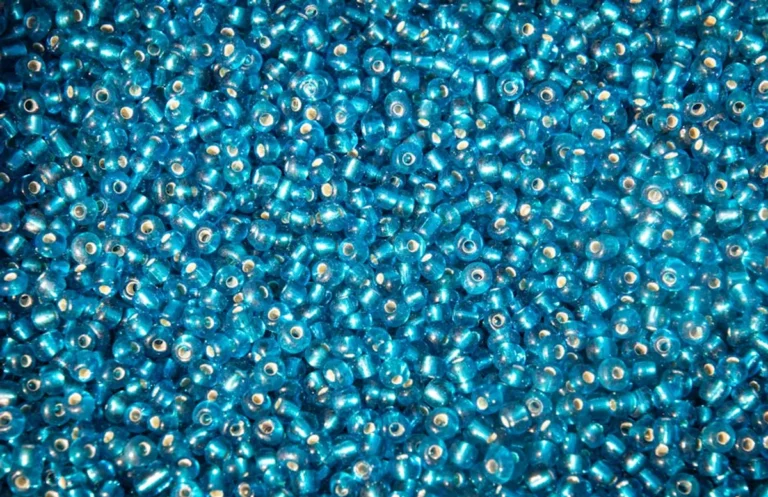
Materials to note: Early trade beads were typically small, opaque glass seed beads, often in colors like white, black, red, and various shades of blue and green. Later periods saw the introduction of a wider color palette and different bead sizes. The use of natural materials like porcupine quills, metal cones, and horsehair alongside glass beads also indicates specific periods or tribal practices.
Ethical Collecting and Preservation
Collecting Indigenous art carries a responsibility to respect cultural heritage and support living artists. When acquiring contemporary pieces, ensure that the purchase directly benefits the artist and their community. For historical items, understand that these objects are not merely decorative but are imbued with cultural significance and often represent a community's history and spiritual beliefs.
Caring for Your Collection
Proper care is essential for preserving the integrity and value of beadwork. Store pieces in a stable environment, away from direct sunlight, extreme temperature fluctuations, and high humidity, which can degrade materials and cause beads to crack or thread to weaken. Avoid handling pieces by the beaded areas. For display, use archival-quality mounts or cases that do not put stress on the beadwork. Regular, gentle inspection for pests like moths is also advisable.
Building a Focused Great Lakes Beadwork Collection
A strategic approach to collecting involves defining your interests, whether by specific tribe, historical period, item type, or a particular aesthetic. Specializing can lead to a more coherent and valuable collection. Engage with reputable dealers, attend specialized auctions, and visit museum collections to educate your eye. Networking with other collectors and scholars can provide invaluable insights and access to unique pieces. Remember that collecting is a journey of learning, appreciation, and stewardship of these remarkable cultural treasures.
Frequently Asked Questions
What tribes are most known for Great Lakes beadwork?
The Anishinaabe nations (Ojibwe, Odawa, Potawatomi), Ho-Chunk, Menominee, and Huron/Wendat are among the prominent tribes recognized for their distinct Great Lakes beadwork styles.
How can I authenticate a piece of Great Lakes beadwork?
Authentication involves examining stylistic elements, construction techniques, bead types, and materials. The most reliable method is verifiable provenance, but consulting with experienced dealers, museum curators, or Indigenous art specialists is crucial for undocumented pieces.
What are common materials used in historical Great Lakes beadwork?
Common materials include glass seed beads (often opaque), velvet, wool cloth, buckskin or other hides, cotton or sinew thread, and sometimes additional embellishments like porcupine quills, metal cones, or ribbons.
How should I store and display my beadwork collection?
Store beadwork in a dark, cool, and dry environment to prevent fading, material degradation, and pest damage. Use archival-safe materials for display and avoid direct sunlight or strong artificial light. Handle pieces minimally, especially by the beaded areas.