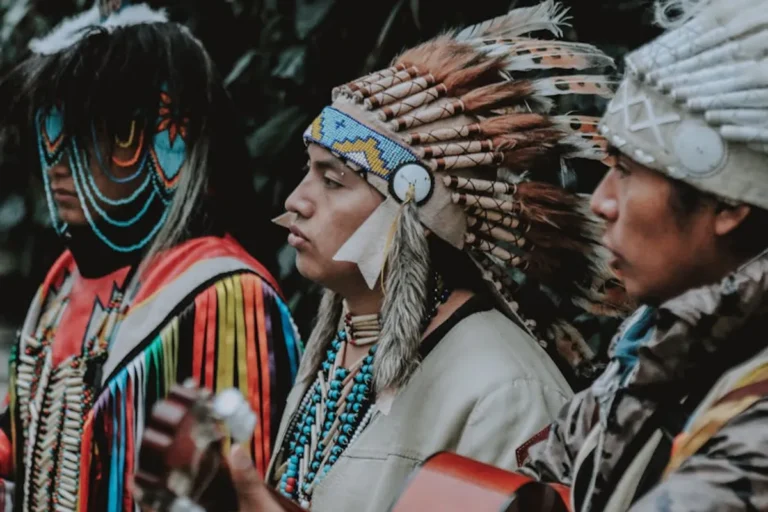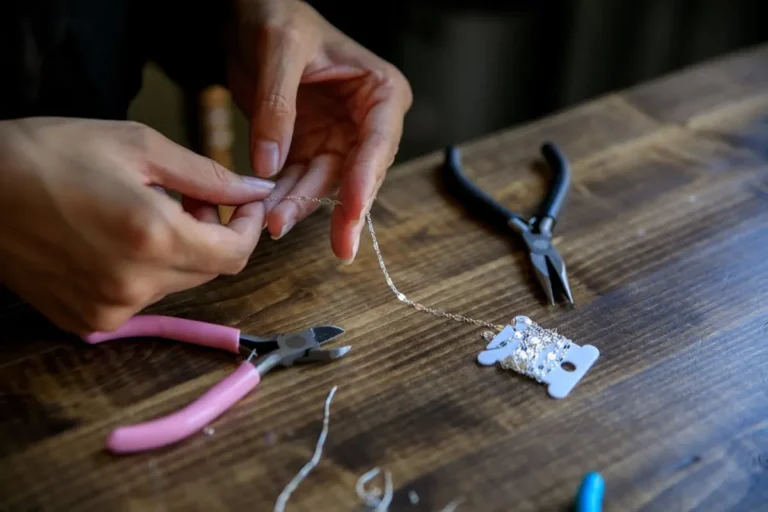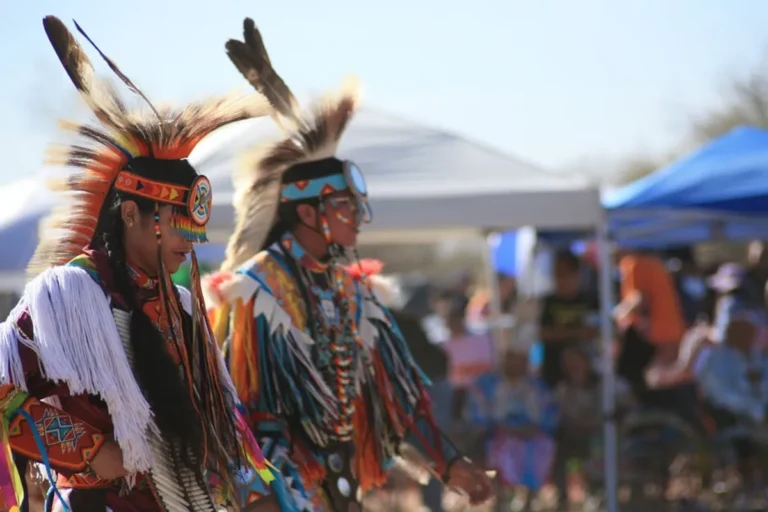

Blackfeet beadwork represents a distinct artistic tradition rooted deeply in cultural identity and historical practice. For collectors, cultural institutions, or those seeking to understand the nuances of Indigenous art, discerning the characteristics of authentic Blackfeet designs and the materials employed is crucial. This understanding informs appreciation, verifies provenance, and establishes the commercial value of individual pieces. The distinction lies not merely in aesthetics but in the specific patterns, color palettes, and material choices that reflect centuries of artistic evolution and cultural narratives.
Historical Trajectory and Cultural Resonance
The evolution of Blackfeet beadwork is intrinsically linked to trade, resource availability, and ceremonial practices. Early beadwork, predating European contact, utilized natural materials such as porcupine quills, bone, shells, and seeds. The introduction of glass beads through trade routes in the 18th and 19th centuries revolutionized the art form, offering new colors, sizes, and durability. This shift allowed for more intricate and vibrant designs, expanding the artistic vocabulary while still adhering to established cultural motifs.
Historically, beadwork served multiple purposes: adorning clothing for ceremonies and daily wear, embellishing functional items like bags and pouches, and creating objects with spiritual significance. Each piece often conveyed personal or tribal narratives, status, or spiritual protection. Understanding this historical context provides a framework for interpreting the designs and appreciating the continuity of tradition.
Core Design Elements and Symbolism
Blackfeet beadwork is characterized by specific design motifs and color preferences that distinguish it from other Plains beadwork traditions. While sharing some broader Plains characteristics, Blackfeet artists developed unique interpretations.
Geometric Patterns and Their Meanings
Geometric designs are fundamental to Blackfeet beadwork, often appearing in bold, symmetrical arrangements. Common patterns include:
- Rectangles and Squares: Frequently used to represent land, camps, or spiritual spaces.
- Triangles: Often symbolizing mountains, tipis, or human figures, with variations indicating direction or movement.
- Lines and Bars: Can depict trails, rivers, or boundaries, conveying movement or connection.
- Crosses and Stars: Representing celestial bodies or the four cardinal directions, carrying spiritual significance.
The arrangement and repetition of these shapes create complex visual narratives. Colors also carry meaning; for instance, red often signifies blood or life, blue the sky or water, and white purity or snow. The interplay of these elements creates a visual language understood within the Blackfeet community.
Floral Motifs and Natural Influences
While geometric patterns dominate older pieces, floral designs gained prominence in the late 19th and 20th centuries, often influenced by Métis and Eastern Woodland styles, yet adapted with a distinct Blackfeet aesthetic. These motifs typically feature stylized flowers, leaves, and vines, often rendered in vibrant colors against a contrasting background. Unlike some other floral traditions, Blackfeet floral work often retains a certain boldness and less delicate rendering, integrating with geometric elements rather than completely replacing them.
Traditional Materials and Modern Adaptations
The materials chosen for beadwork significantly impact a piece's appearance, durability, and authenticity. Traditional Blackfeet beadwork relied on specific types of beads and foundational materials.
Glass Beads: Types and Sourcing
The most iconic material in Blackfeet beadwork is the glass bead. Historically, these were primarily Venetian trade beads, followed by Czech and later Japanese beads. Key types include:
- Pony Beads: Larger, opaque beads, common in early 19th-century work for their size and visibility.
- Seed Beads: Smaller, more uniform beads, allowing for finer detail and intricate patterns. These became prevalent as trade increased and manufacturing improved.
- Cut Beads: Characterized by faceted surfaces that catch and reflect light, adding sparkle and dimension.
The consistency in bead size and color saturation from specific historical periods can be a marker of authenticity and age. Modern artists may use contemporary glass beads, which offer a wider color palette and consistent sizing, but traditionalists often seek out antique or "old stock" beads to replicate historical aesthetics.
Foundational Materials: Sinew, Thread, and Hide
The substrate and stitching materials are equally important. Traditionally, Blackfeet beadwork was applied to:
- Brain-tanned Hide: Deer, elk, or buffalo hide, processed to be soft and durable, served as the primary canvas for clothing, bags, and moccasins.
- Sinew: Animal sinew (from deer, elk, or buffalo) was the traditional stitching material, prized for its strength and ability to swell when wet, tightening the stitches.
- Cotton or Linen Thread: Post-contact, commercial threads became available, offering easier use and finer stitching for detailed work.
The choice of backing material influences the drape and longevity of the beaded item, while the stitching method (e.g., lazy stitch, overlay stitch) dictates the texture and appearance of the beaded surface.
Pro Tip: When evaluating Blackfeet beadwork for authenticity or commercial acquisition, pay close attention to the consistency of bead size and color within a single piece. In older, traditionally made items, slight variations in bead size and color are common due to manufacturing limitations of the era. Uniformity in modern pieces can indicate contemporary production, which is not inherently negative but helps distinguish between historical and modern interpretations.
Contemporary Practice and Market Considerations
Today, Blackfeet beadwork continues as a vibrant art form, with contemporary artists drawing inspiration from ancestral designs while also innovating. This includes using modern materials, exploring new color combinations, and creating pieces for a contemporary market. For buyers, understanding the artist's intent—whether replicating historical styles or creating modern expressions—is key.
The commercial value of Blackfeet beadwork is influenced by several factors:
- Artist's Reputation: Established artists with a strong exhibition history or recognized cultural lineage often command higher prices.
- Age and Provenance: Older pieces with documented history and clear ownership trails are highly sought after by collectors.
- Material Quality: The use of high-quality, durable beads and foundational materials contributes to longevity and value.
- Design Complexity and Execution: Intricate patterns, precise stitching, and balanced compositions reflect skilled craftsmanship.
- Cultural Significance: Pieces made for specific ceremonies or with deep cultural narratives often hold greater intrinsic and commercial value.
Appreciating and Acquiring Blackfeet Beadwork
Engaging with Blackfeet beadwork requires a blend of aesthetic appreciation and cultural understanding. For those looking to acquire pieces, whether for personal collection, educational display, or commercial resale, due diligence is essential. Researching the artist, understanding the historical context of the designs, and verifying material authenticity are critical steps. This ensures that the acquisition not only adds a beautiful object but also honors the rich cultural heritage it represents.
Frequently Asked Questions About Blackfeet Beadwork
What is the "lazy stitch" in Blackfeet beadwork?
The lazy stitch is a common beading technique where short rows of beads are sewn onto the fabric or hide, creating raised, parallel lines. This technique is characteristic of many Plains tribes, including the Blackfeet, and results in a distinct ribbed texture.
How can I identify authentic Blackfeet beadwork?
Authenticity is best determined by examining design motifs (geometric patterns, specific floral styles), traditional color palettes, material choices (glass beads, hide, sinew), and stitching techniques. Provenance, such as artist documentation or collection history, is also a strong indicator. Consulting with experts in Indigenous art is recommended for high-value pieces.
Are contemporary Blackfeet beadwork pieces as valuable as older ones?
The value depends on several factors. Older pieces with historical significance and documented provenance can be highly valuable as artifacts. Contemporary pieces by renowned artists, especially those demonstrating exceptional skill, innovative design, or a strong connection to cultural traditions, can also command significant value in the art market.
What materials are commonly used for the backing or substrate in Blackfeet beadwork?
Traditionally, brain-tanned animal hides, such as deer, elk, or buffalo, were the primary substrates for Blackfeet beadwork. These provided a durable and flexible base for clothing, bags, and ceremonial items. In more contemporary pieces, commercial leathers or sturdy fabrics may also be used.