
Selling Native American beadwork requires careful consideration beyond just finding a buyer. The market demands authenticity, ethical sourcing, and respect for cultural heritage, making the choice of selling platform critical for both financial return and safeguarding your reputation. Sellers must navigate a landscape where genuine artistry can be confused with mass-produced imitations, and where legal protections exist to prevent misrepresentation. Identifying reputable channels ensures fair pricing, protects against fraud, and connects your work with appreciative collectors who understand its true value and provenance. This guide outlines specific avenues and practices for safely selling Native American beadwork, emphasizing verification, legal compliance, and establishing trust.
Understanding the Market for Authentic Native American Beadwork
The market for Native American beadwork is distinct, driven by collectors, cultural institutions, and individuals seeking genuine artistry and historical significance. Unlike generic crafts, authentic beadwork often carries tribal specific designs, materials, and techniques passed down through generations. Buyers are frequently discerning, prioritizing provenance and the artist's background. This focus on authenticity means that platforms and buyers who understand and value these distinctions are generally safer and more profitable options. Misrepresenting non-Native-made items as Native American is illegal under the Indian Arts and Crafts Act of 1990 (ICACA), which imposes significant penalties for such deception. Therefore, any selling strategy must prioritize clear and accurate identification of the artist and tribal affiliation.
Specialized Online Marketplaces
General e-commerce sites, while offering broad reach, often lack the vetting processes or specialized audience necessary for safely selling high-value, culturally significant items like Native American beadwork. Specialized platforms, however, cater directly to this niche, providing a more secure environment:
- Native American Arts and Crafts Associations: Many tribal nations or regional organizations operate online marketplaces or directories specifically for their members' work. These platforms inherently verify tribal affiliation and often have established guidelines for authenticity.
Best for: Direct sales to a pre-qualified audience, strong authentication, and direct support for Native artists.
- Reputable Online Galleries and Auction Houses: Platforms like Heritage Auctions, Skinner Auctioneers, or specific Native American art galleries with online presences offer expert appraisal, authentication services, and reach high-end collectors. They typically handle consignment, photography, and marketing, taking a percentage of the sale.
Best for: High-value or historically significant pieces, established provenance, and reaching serious collectors.
- Etsy (with caution): While Etsy is a large marketplace, sellers must rigorously self-authenticate and clearly state tribal affiliation. Utilize Etsy's shop policies and description fields to provide detailed provenance, materials, and artist information. Proactively address potential buyer questions about authenticity.
Best for: Artists building a direct brand, lower-to-mid value pieces, and those comfortable with extensive self-promotion and authentication efforts.
Established Galleries and Dealers
Physical galleries and established dealers specializing in Native American art offer a curated environment where authenticity is paramount. These entities have a vested interest in maintaining their reputation and often employ experts in the field. When considering a gallery or dealer:
- Research their history: Look for longevity, positive reviews, and a clear focus on Native American art, not just general "ethnic" crafts.
- Verify affiliations: Many reputable dealers are members of professional organizations like the Antique Tribal Art Dealers Association (ATADA), which promotes ethical conduct.
- Understand consignment terms: Review commission rates, insurance coverage for your pieces, and payment schedules. A clear, written agreement is essential.
- Ask about their authentication process: How do they verify the artist, tribe, and materials? This protects both you and the end buyer.
Best for: Sellers seeking expert valuation, authentication, broader exposure to serious collectors, and handling of logistics.
Pro Tip: Document Everything. For every piece of beadwork you intend to sell, maintain meticulous records. This includes the artist's name and tribal affiliation (if applicable), materials used, date of creation, any unique story or cultural significance, and previous ownership history. High-resolution photographs from multiple angles are also crucial. This documentation is your primary tool for establishing authenticity and protecting against misrepresentation claims.
Direct Sales and Community Engagement
Selling directly allows artists to retain a larger portion of the sale and build personal relationships with buyers, fostering trust and repeat business. This method requires more self-promotion and logistical management.
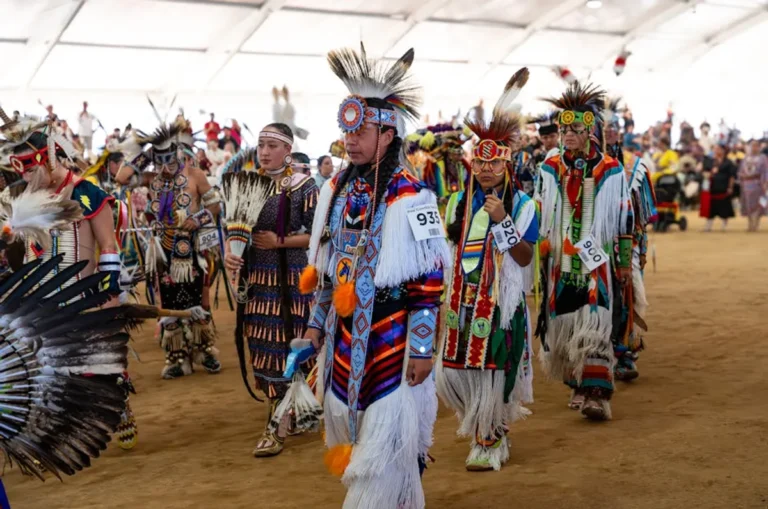
- Native American Art Markets and Festivals: Events like the Santa Fe Indian Market or Heard Museum Guild Indian Fair & Market are prestigious venues where artists can sell directly to a highly engaged audience. These events typically have strict application and jury processes that ensure authenticity.
Best for: Direct artist-to-buyer interaction, immediate sales, and networking within the Native art community.
- Personal Websites and Social Media: Creating a dedicated website or leveraging platforms like Instagram and Facebook allows artists to control their brand, narrative, and sales process. Clear, high-quality images, detailed descriptions, and transparent pricing are vital. Building an audience through consistent posting and engagement is key.
Best for: Artists with an established brand, those comfortable with digital marketing, and managing their own e-commerce.
Legal and Ethical Compliance: The Indian Arts and Crafts Act (ICACA)
The Indian Arts and Crafts Act of 1990 (P.L. 101-644) is a truth-in-advertising law that prohibits misrepresentation in the marketing of Native American arts and crafts products within the United States. It is crucial for sellers to understand and adhere to this act to avoid severe penalties. Key aspects include:
- Defining "Indian": The Act defines "Indian" as a member of any federally or state recognized Indian tribe, or an individual certified as an Indian artisan by an Indian tribe.
- Prohibition of Misrepresentation: It is illegal to falsely suggest that a product is Indian-produced, an Indian product, or the product of a particular Indian tribe or Indian arts and crafts organization.
- Penalties: Violations can result in civil penalties, fines up to $250,000, or imprisonment for up to five years for individuals, and fines up to $1,000,000 for organizations.
Always accurately represent the artist's tribal affiliation and the origin of the beadwork. If the artist is not a member of a federally or state-recognized tribe, or not certified by one, the work cannot be marketed as "Native American" or "Indian-made" in a way that implies tribal affiliation. Transparency is the best defense against legal issues and builds buyer trust.
Ensuring Fair Valuation and Pricing
Determining a fair price for Native American beadwork involves several factors, including the artist's reputation, tribal affiliation, complexity of design, materials used (e.g., antique beads, rare shells), age, condition, and market demand. Researching comparable sales through auction records, gallery listings, and specialized dealer inventories provides a baseline. Consulting with experienced appraisers specializing in Native American art offers the most accurate valuation, particularly for significant pieces. Avoid underpricing your work; authentic, well-crafted pieces hold significant value due to their cultural importance, skill, and often limited production.
Establishing Trust and Transparency
Regardless of the chosen selling channel, building trust with potential buyers is paramount for safe and successful sales. This involves:
- Clear Communication: Provide detailed descriptions, high-quality images, and be responsive to inquiries.
- Provenance Documentation: Offer any available history of the piece, including the artist's name, tribal affiliation, and creation date.
- Authentication: Be prepared to discuss how authenticity is verified, whether through artist certification, tribal records, or expert appraisal.
- Secure Transactions: Use reputable payment processors and shipping methods with insurance and tracking.
- Return Policies: Clearly state your return and refund policies to instill buyer confidence.
These practices not only protect you from potential disputes but also establish your credibility as a responsible seller of culturally significant art.
Securing Your Sales
Selling Native American beadwork safely means protecting both your valuable pieces and your financial interests. Always use secure payment methods that offer seller protection, such as PayPal for online sales or bank transfers for high-value transactions. Avoid unconventional payment requests. When shipping, use reputable carriers, ensure adequate insurance coverage for the full value of the item, and require signature confirmation upon delivery. Document the packaging process with photos or video to protect against damage claims. For in-person sales, choose public, well-lit locations, and consider having a witness present, especially for high-value transactions.
Frequently Asked Questions
How can I verify if beadwork is genuinely Native American?
Verification often requires documentation from the artist or tribe, such as a Certificate of Authenticity. Reputable galleries and dealers also provide their own authentication based on expert knowledge and research. The Indian Arts and Crafts Board (IACB) provides resources and information on compliance with the Indian Arts and Crafts Act.
What is the average commission rate for selling beadwork through a gallery?
Gallery commission rates typically range from 30% to 50% of the final sale price. This covers their marketing, display, staffing, and insurance costs. Always negotiate and ensure the commission rate is clearly stated in a written consignment agreement.
Can I sell antique Native American beadwork without tribal affiliation?
Yes, antique Native American beadwork can be sold by non-Native individuals, provided it is accurately represented. The Indian Arts and Crafts Act primarily targets the misrepresentation of newly produced goods as Native-made. For antique pieces, focus on historical provenance, condition, and expert appraisal rather than implying a direct artist connection if none exists.
What are the risks of selling Native American beadwork on general online marketplaces?
The primary risks include encountering buyers who dispute authenticity without proper understanding, lower pricing due to lack of specialized audience, increased exposure to fraud if seller protections are weak, and the potential for your work to be copied or misrepresented by others on the platform without adequate safeguards.