Valuing Native American beadwork requires navigating a complex interplay of cultural significance, artistic technique, historical context, and market dynamics. Unlike mass-produced items, each piece of authentic beadwork tells a story, often reflecting specific tribal traditions, individual artistry, and the availability of materials over time. An accurate appraisal is not merely about assigning a monetary figure; it's about understanding and documenting the object's unique attributes, which directly influence its commercial viability, insurance coverage, and historical preservation. This guide outlines the critical factors and processes involved in determining the true worth of Native American beadwork, providing a framework for collectors, inheritors, and potential buyers.
Understanding Native American Beadwork Authenticity and Craftsmanship
The foundational step in any appraisal is establishing authenticity and recognizing the quality of craftsmanship. This involves a detailed examination of the piece's construction, materials, and stylistic elements. Reproductions and tourist-grade items often lack the intricate detail and material integrity found in genuine historical or contemporary art pieces.
Identifying Tribal Origin and Artistic Style
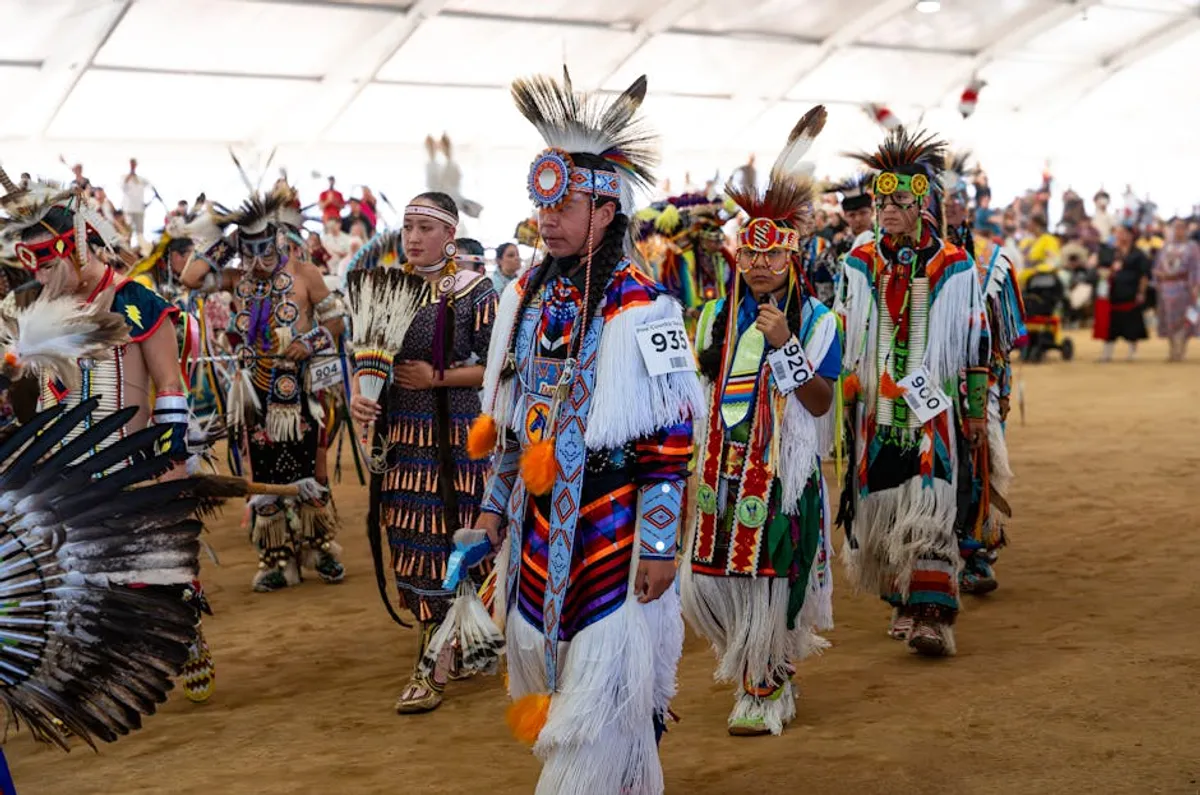
Different Native American tribes developed distinct beadwork styles, patterns, and color palettes. For instance, floral motifs are common among Woodland tribes like the Ojibwe and Iroquois, while geometric designs characterize Plains tribes such as the Lakota and Crow. Southwestern tribes, like the Apache, often incorporated distinct forms and materials. Identifying these stylistic markers requires a trained eye and knowledge of ethnological art history. Misattributing tribal origin can significantly impact valuation, as demand and historical significance vary widely between traditions.
Material Quality and Bead Type
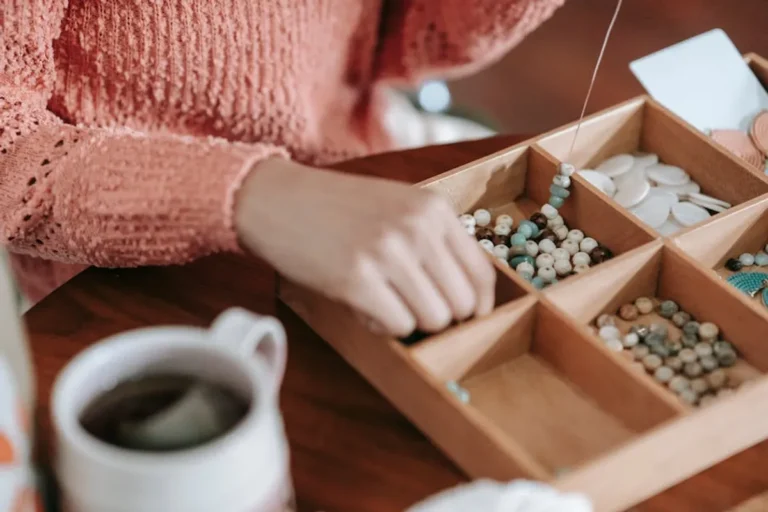
The type and quality of beads used are primary indicators of age and value. Early beadwork often features trade beads (venetian glass, pony beads), dentalium shells, porcupine quills, or bone. Later pieces incorporate seed beads, which became widely available in the mid-19th century. The uniformity, size, and vibrant color retention of seed beads, particularly older Czech or Italian varieties, contribute to value. Bead size variations, such as cut beads or charlottes, also indicate specific periods or regional preferences. The backing material—hide, cloth, or canvas—and the quality of sinew or thread used for stitching also provide clues to age and authenticity.
Construction Techniques and Stitching
The method of bead application is crucial. Common techniques include lazy stitch (rows of beads stitched down), overlay stitch (individual beads sewn over a foundation thread), and lane stitch. The tightness, consistency, and precision of the stitching reveal the artisan's skill and the piece's overall durability. Sloppy or inconsistent stitching, or the use of modern synthetic threads in older pieces, can raise red flags regarding authenticity or indicate later repairs that might diminish value.
Core Value Determinants for Native American Beadwork
Beyond authenticity and craftsmanship, several other factors directly influence the market value of Native American beadwork. These elements combine to create a comprehensive picture of an item's worth.
Age and Historical Significance
Older pieces, particularly those pre-dating 1900, generally command higher values due to their rarity and historical context. Beadwork from the reservation era (late 19th to early 20th century) often reflects adaptation and cultural resilience, making it highly collectible. Pieces associated with significant historical events or figures also carry enhanced value. Verifying age involves examining materials, construction, and stylistic evolution.
Provenance and Documentation
A strong provenance – the documented history of ownership – is paramount. Records such as original purchase receipts, exhibition history, family heirlooms, or previous appraisal documents significantly increase an item's value by verifying its authenticity and providing a narrative. Pieces with a clear line of ownership from a known collector, museum, or directly from the artisan's family are more desirable and less prone to authentication disputes.
Condition and Restoration
The physical condition of the beadwork is a major valuation factor. Minimal bead loss, intact stitching, and well-preserved backing materials are ideal. Extensive damage, such as significant bead loss, faded colors, torn hide, or amateur repairs, will reduce value. Professional, reversible restoration by a conservator specializing in Native American textiles can maintain or even enhance value, but poorly executed repairs or significant alterations can be detrimental.
Rarity and Market Demand
The scarcity of similar pieces and current collector interest play a significant role. Unique designs, unusual materials, or pieces from lesser-known tribes can be rare. However, rarity must align with market demand; a rare piece from a less collected tradition might not achieve the same price as a more common, but highly sought-after, piece from a prominent Plains tribe. Current auction results and gallery sales provide indicators of market trends.
Artist Recognition and Signature Pieces
Beadwork attributed to known, respected artists often commands a premium. While many historical pieces are anonymous, contemporary artists who have established reputations for quality and innovation can see their work valued highly. Signed pieces, or those with strong attribution through provenance, are particularly desirable. The artist's exhibition history, awards, and scholarly recognition all contribute to this value component.
The Appraisal Process: Securing an Accurate Valuation
Engaging a qualified appraiser is crucial for an objective and defensible valuation. This process involves several steps to ensure accuracy and credibility.
Locating Qualified Appraisers
Finding an appraiser with specific expertise in Native American art, and particularly beadwork, is essential. Generalist appraisers may lack the nuanced knowledge required. Look for appraisers who are members of recognized professional organizations, have demonstrable experience, and maintain current knowledge of market trends and cultural sensitivities. Referrals from reputable museums, galleries, or academic institutions specializing in Indigenous arts are often reliable.
- Membership in professional appraisal organizations (e.g., Appraisers Association of America, International Society of Appraisers).
- Demonstrated specialization in Native American art, specifically beadwork.
- Experience with similar types of beadwork (e.g., specific tribal styles, historical periods).
- Clear communication regarding their methodology and fee structure.
- Ability to provide a detailed, USPAP-compliant appraisal report.
Preparing Your Beadwork for Appraisal
Before an appraisal, ensure the beadwork is clean and handled carefully. Avoid attempting any cleaning or repairs yourself, as this can cause damage or alter the piece. Gather all available documentation, including any provenance records, photos, or previous appraisals. This information will significantly aid the appraiser in their research and valuation process.
Pro Tip: Always photograph your beadwork thoroughly before and after any appraisal or handling. Documenting its condition can be invaluable for insurance claims or future sales, especially if the item is shipped or handled by multiple parties.
Understanding Appraisal Reports
A professional appraisal report should be comprehensive, detailing the item's description, condition, tribal attribution, approximate age, materials, and construction. It should also outline the valuation methodology, market analysis, and the appraiser's qualifications. The report will typically state a fair market value (for sale purposes) or a replacement value (for insurance purposes), depending on the appraisal's purpose. Ensure the report is compliant with Uniform Standards of Professional Appraisal Practice (USPAP) if required for legal or insurance purposes.
Protecting Your Investment: Storage and Care
Proper storage and care are vital for preserving the value of Native American beadwork. Store pieces in a stable environment, away from direct sunlight, extreme temperature fluctuations, and high humidity, which can degrade materials and fade colors. Use archival-quality materials for display or storage, such as acid-free tissue paper or museum-grade mounts. Regular, gentle inspection can help identify any signs of pest infestation or material degradation early.
Navigating the Market: Buying and Selling Considerations
When buying, prioritize pieces with strong provenance and condition. Always seek an independent appraisal for significant purchases. When selling, a professional appraisal provides a baseline for pricing and lends credibility. Consider reputable auction houses or galleries specializing in Native American art, as they have established networks of buyers and expertise in marketing these unique items. Understanding the current market demand for specific styles or artists will inform your strategy.
Securing Your Beadwork's Value
Accurate appraisal of Native American beadwork is a specialized field demanding expertise in art history, material science, and market trends. By understanding the critical factors that contribute to value—from tribal origin and craftsmanship to provenance and market demand—and by engaging qualified professionals, owners can ensure their pieces are appropriately valued, documented, and preserved. This diligence protects both the financial investment and the cultural heritage embodied in each unique work.
Frequently Asked Questions
How often should Native American beadwork be reappraised?
For insurance purposes, reappraisal every 3-5 years is recommended to account for market fluctuations and changes in condition. For sale, an appraisal within 6-12 months of listing provides the most current valuation.
Can I get a preliminary valuation online?
Some appraisers offer preliminary online consultations based on photographs. However, a definitive, binding appraisal always requires a physical examination of the piece to assess materials, condition, and intricate details accurately.
What is the difference between fair market value and replacement value?
Fair market value is the price a willing buyer would pay a willing seller, neither being under compulsion to buy or sell. Replacement value is the cost to replace an item with one of similar age, quality, and condition in the current market, often higher than fair market value and used for insurance.
Are contemporary Native American beadwork pieces valuable?
Yes, contemporary beadwork by established and recognized artists can be highly valuable, especially if the artist has a strong reputation, unique style, and a history of exhibitions or awards. Value is driven by artistic merit, innovation, and market demand for the artist's work.