Padre Beads, often recognized for their unique material and historical resonance, represent a distinct niche within the broader world of antique and collectible beads. For collectors, understanding these beads goes beyond aesthetic appreciation; it involves discerning their origin, material composition, and the cultural narratives they embody. This guide provides a framework for identifying, evaluating, and preserving Padre Beads, focusing on the specific characteristics that define their value and authenticity in the collector's market.
Understanding Padre Beads: Origin and Materials
Padre Beads are a category of glass beads primarily associated with trade routes, particularly those established by Spanish missionaries (Padres) in the Americas and Asia from the 16th to the 19th centuries. While the term "Padre Bead" is often used broadly, it specifically refers to certain types of drawn glass beads, predominantly from Murano (Venice) or sometimes from Bohemia, that were used as currency or gifts in these historical exchanges. Their significance stems from their role in cross-cultural interactions rather than inherent preciousness of material.
The primary material is glass, but variations in manufacturing techniques and glass composition yield distinct types:
- Drawn Glass: The most common form, where molten glass is drawn into long tubes, which are then cut into individual beads. This process results in a consistent diameter and often a visible "drawing line" or striation.
- Wound Glass: Less common for true Padre Beads but sometimes included, these beads are formed by winding molten glass around a mandrel. They typically show concentric layers or a more irregular shape.
- Compound Glass: Many Padre Beads feature multiple layers of glass, such as a white or opaque core covered by a translucent or colored outer layer. This layering can be a key identification marker.
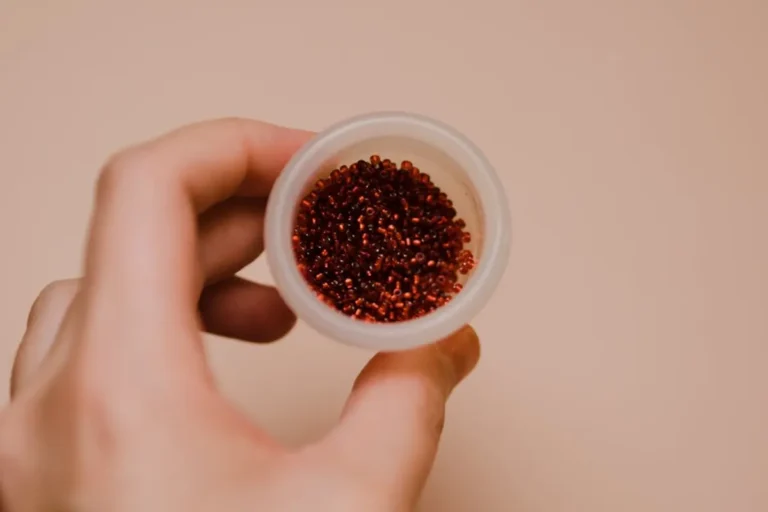
Colors vary widely, but common palettes include opaque white, black, various shades of blue (especially cobalt and sky blue), green, and sometimes red or yellow. The consistency of color and the presence of air bubbles, often elongated due due to the drawing process, can offer clues to their age and origin.
Identifying Authentic Padre Beads
Authenticity in Padre Beads is determined by a combination of material science, historical context, and manufacturing characteristics. Collectors must evaluate several factors to distinguish genuine historical pieces from modern reproductions or misidentified beads.
Key Identification Markers:
- Manufacturing Method: Examine the bead for evidence of the drawn glass process. Look for subtle irregularities in shape, small variations in diameter along the bead, and the characteristic elongation of internal air bubbles parallel to the bead's length.
- Patina and Wear: Genuine antique beads will exhibit signs of age and handling. This includes surface pitting, minor nicks or chips, and a subtle dulling or "softening" of the glass surface due to environmental exposure and friction over centuries. Avoid beads with unnaturally uniform surfaces or sharp edges unless their provenance is impeccable.
- Hole Characteristics: The drill hole is a critical indicator. Older beads often have slightly irregular, hand-drilled holes, or holes that show wear and smoothing from stringing. Modern reproductions typically have perfectly cylindrical, machine-drilled holes.
- Glass Composition: While difficult without scientific analysis, experienced collectors can often discern older glass types. Pre-20th-century glass often has a different "feel" and light refraction compared to modern equivalents.
- Contextual Evidence: The most reliable pieces often come with documented provenance, such as archaeological finds or inherited collections with clear histories.
Pro Tip: Always use a jeweler's loupe (10x magnification is ideal) to examine Padre Beads. Focus on the drill hole, surface texture, and internal glass structure for the most telling signs of age and manufacturing technique. Minor imperfections are often indicators of authenticity, not flaws.
Caring for Your Padre Bead Collection
Proper care and storage are essential for preserving the integrity and value of Padre Beads. As glass, they are relatively durable but susceptible to chipping, scratching, and chemical degradation over long periods.
Cleaning:
For most Padre Beads, a gentle cleaning with lukewarm water and a mild, non-abrasive soap is sufficient. Use a soft cloth or brush to remove surface dirt. Avoid harsh chemicals, ultrasonic cleaners, or abrasive materials, which can damage the surface or alter the patina. Ensure beads are thoroughly dried before storage to prevent water spots or mineral buildup.
Storage:
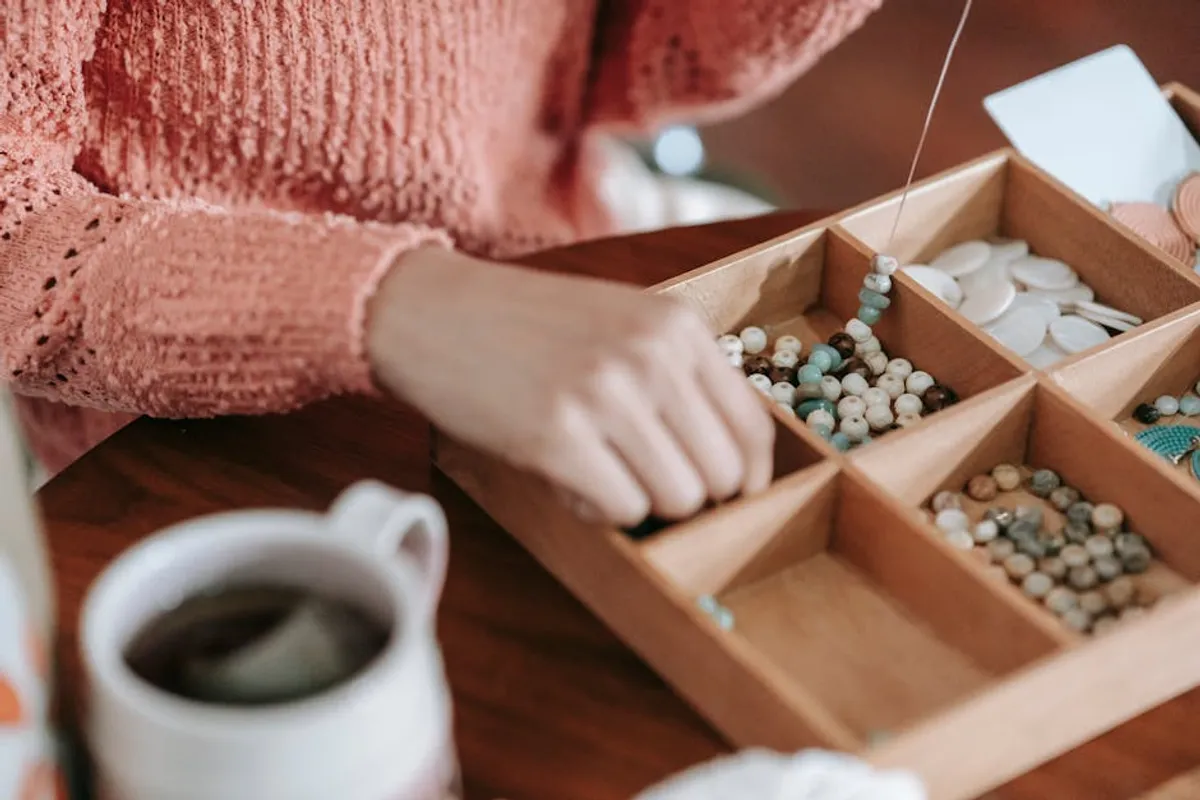
Store Padre Beads separately to prevent them from rubbing against each other, which can cause scratches or chips. Individual compartments in a display case, soft cloth pouches, or acid-free archival boxes are suitable options. Protect them from extreme temperature fluctuations, direct sunlight, and high humidity, all of which can contribute to glass degradation or "sick glass" (a process where glass becomes cloudy or pitted due to chemical instability).
Building a Strategic Padre Bead Collection
Collecting Padre Beads can be a rewarding endeavor, but it requires a strategic approach to acquire valuable and historically significant pieces. Focus your efforts on specific types, regions, or historical periods to build a cohesive and meaningful collection.
Valuation Factors:
- Rarity: Beads produced in limited quantities or those that are difficult to find due to historical circumstances command higher prices.
- Condition: While some wear is expected and desirable, beads in excellent condition with minimal damage are more valuable.
- Provenance: Documented history of ownership or archaeological recovery significantly enhances a bead's value and authenticity.
- Size and Color: Larger beads or those with unusual or particularly vibrant colors (e.g., specific shades of blue or red) can be more sought after.
- Historical Significance: Beads directly linked to specific trade routes, missions, or indigenous cultures hold greater historical and cultural value.
When purchasing, always seek reputable dealers who specialize in antique or trade beads. Ask for detailed descriptions, high-resolution photographs, and any available provenance. Education is your best tool; the more you learn about the specific characteristics of different Padre Bead types, the better equipped you will be to make informed acquisition decisions.
Strategic Collection Building
Building a collection of Padre Beads involves careful research and a nuanced understanding of their historical context. Prioritize acquiring pieces with verifiable origins and distinctive characteristics. Consider specializing in beads from a particular geographic region or historical period, such as those from the Spanish colonial missions in the American Southwest or beads traded in the Philippines. This focused approach allows for deeper expertise and a more coherent collection narrative. Document each acquisition thoroughly, noting its source, date of purchase, and any identifying features. This meticulous record-keeping not only enhances the value of your collection but also contributes to the broader understanding of these historically significant artifacts.
Frequently Asked Questions
What defines a "Padre Bead"?
A Padre Bead is primarily a drawn glass bead, often of Murano or Bohemian origin, historically used in trade by Spanish missionaries (Padres) across various global routes from the 16th to 19th centuries.
How can I tell if a Padre Bead is authentic?
Authenticity is assessed by examining manufacturing characteristics (drawn glass striations, elongated air bubbles), patina and wear consistent with age, irregular drill holes, and documented provenance. A jeweler's loupe is essential for detailed inspection.
Are Padre Beads valuable?
Their value varies significantly based on rarity, condition, provenance, size, color, and historical significance. Rare, well-preserved beads with documented histories can command substantial prices in the collector's market.
What is "sick glass" and how does it affect Padre Beads?
"Sick glass" refers to a chemical degradation process where glass becomes cloudy, pitted, or develops a flaky surface due to instability in its composition reacting with environmental factors like humidity. It can diminish a bead's aesthetic appeal and structural integrity, lowering its value.