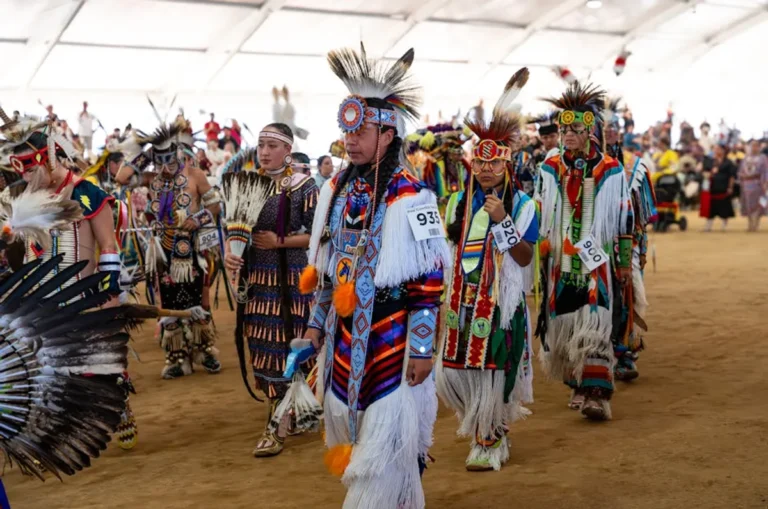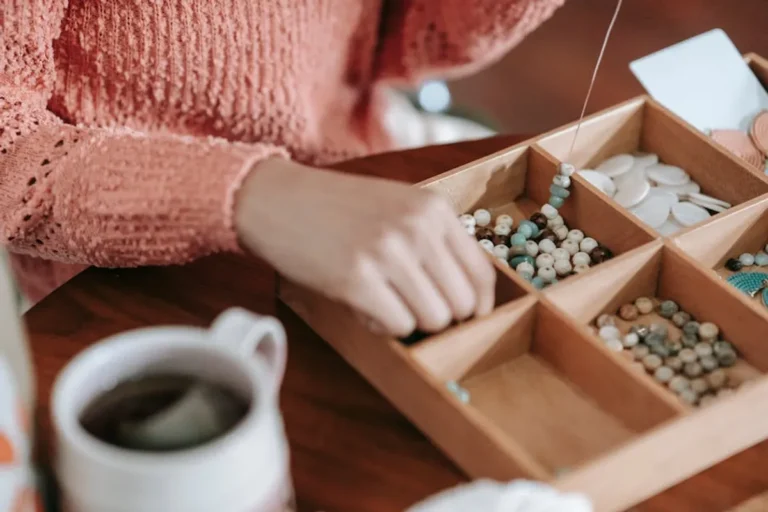

Displaying Native American beadwork requires a deliberate approach to prevent degradation and preserve its intricate artistry and cultural significance. These pieces, often crafted from glass beads, sinew, hide, and natural pigments, are susceptible to environmental factors and improper handling. Understanding these vulnerabilities is the first step toward establishing a secure and stable display, ensuring the longevity of the work for future appreciation.
Understanding Beadwork Vulnerabilities
Native American beadwork is composed of diverse materials, each with specific sensitivities. Glass beads, while durable, can be damaged by abrasion or impact. More critically, the threads (sinew, cotton, linen), hide backings, and natural dyes are highly reactive to environmental shifts. Organic components are prone to desiccation, cracking, or becoming brittle in low humidity, while high humidity can foster mold growth and attract pests. Light exposure, particularly ultraviolet (UV) radiation, causes irreversible fading of dyes and weakens organic fibers over time, leading to structural failure.
Light Exposure Management
Direct sunlight and intense artificial lighting are primary agents of damage for beadwork. UV radiation breaks down organic materials, causing colors to fade and fibers to weaken. Visible light, even without UV, can contribute to fading over extended periods. Implementing effective light management is non-negotiable for preservation.
- UV Filtration: Display cases or room windows should incorporate UV-filtering acrylic or film. This significantly reduces the harmful spectrum of light without obscuring visibility.
- Indirect Lighting: Position beadwork away from direct sunlight paths. Utilize ambient light sources or diffused, low-intensity artificial lighting. LED lights are generally preferred as they emit very little UV and heat.
- Rotation and Rest: For particularly sensitive pieces, consider rotating them off display periodically, storing them in a dark, stable environment. This reduces cumulative light exposure.
Temperature and Humidity Control
Stable environmental conditions are crucial. Fluctuations in temperature and humidity stress organic materials, causing them to expand and contract, which can lead to cracking, warping, or bead loss. High humidity encourages mold and insect activity, while excessively dry conditions can make hide and sinew brittle.
Pro Tip: Aim for a stable environment with relative humidity between 45% and 55% and a temperature between 68°F and 72°F (20°C and 22°C). Avoid display locations near exterior walls, vents, fireplaces, or in basements and attics, where conditions are prone to extreme shifts.
Pest Prevention
Textile pests such as carpet beetles, moths, and silverfish are attracted to organic materials like wool, hide, and cotton found in beadwork. An infestation can cause significant, irreversible damage.
Key measures include:
- Regular Inspection: Periodically examine beadwork for signs of pest activity, such as frass (insect droppings), webbing, or larvae.
- Cleanliness: Maintain a clean display area, free of dust and debris, which can harbor pests.
- Sealed Enclosures: Displaying beadwork in well-sealed cases can act as a physical barrier against pests. Avoid using mothballs or chemical repellents directly near beadwork, as their fumes can be damaging.
Selecting Appropriate Display Methods
The method of display should support the beadwork's structure without placing undue stress on its components. Gravity is a constant force that can deform or damage delicate pieces if not adequately counteracted.
Flat Display Techniques
For two-dimensional pieces like flat bags, bandolier bags, or large panels, flat display minimizes gravitational stress.
- Acid-Free Mounts: Mount pieces onto acid-free mat board or fabric-covered archival foam core. Use conservation-grade threads or clear polyester film to secure the beadwork, ensuring stitches pass through existing structural elements rather than piercing new holes.
- Framing: When framing, ensure the beadwork does not touch the glass or acrylic. Use spacers to create an air gap, preventing condensation transfer and allowing for air circulation. Opt for UV-filtering glazing.
Three-Dimensional Mounting
For items like moccasins, pipe bags, or sculpted pieces, three-dimensional support is essential to maintain their original form.
- Custom Armatures: Fabricate custom mounts or armatures from inert materials like archival foam, polyethylene, or acrylic. These supports should conform precisely to the interior or contours of the beadwork, distributing weight evenly and preventing sagging or distortion.
- Padding: Pad contact points with soft, inert materials like unbleached cotton or felt to prevent abrasion. Avoid materials that could leach acids or dyes.
Protective Enclosures
Enclosures offer a vital layer of protection against dust, pests, and accidental physical damage.
Best for: Providing a controlled microenvironment and physical barrier.
Glass or acrylic display cases are ideal. Ensure they are well-sealed to maintain stable internal conditions and prevent dust accumulation. Ventilation is important for preventing stagnant air, but it must not compromise the seal against pests or humidity. For valuable or fragile pieces, consider cases with passive or active environmental controls.
Ongoing Care and Maintenance
Consistent, gentle care is integral to long-term preservation. Avoid abrasive cleaning methods or harsh chemicals.
- Dusting: Use a soft, natural-bristle brush or a low-suction HEPA vacuum with a screened nozzle to gently remove surface dust. Work slowly and methodically, supporting the beadwork from beneath.
- Handling: Always handle beadwork with clean, gloved hands to prevent transferring oils and dirt. Support the entire piece, especially when moving it, to avoid placing stress on delicate seams or beadwork.
- Documentation: Maintain records of the beadwork's condition, including photographs, noting any changes or signs of degradation. This helps monitor its health over time.
Sustaining the Legacy of Beadwork
The careful display of Native American beadwork is an act of stewardship. By implementing controlled environmental conditions, selecting appropriate mounting techniques, and committing to ongoing vigilance, collectors and institutions can ensure these culturally rich and artistically significant works endure. Proper preservation not only protects the physical integrity of the beadwork but also honors the heritage and craftsmanship embedded within each piece, allowing its story to continue for generations.
Frequently Asked Questions
Can I display Native American beadwork in direct sunlight if it's behind UV-filtering glass?
While UV-filtering glass significantly reduces harmful UV rays, it does not eliminate all light damage. Visible light can still cause fading over time. It is always best to display beadwork away from direct sunlight, even with UV protection, to minimize cumulative exposure and preserve colors.
How often should I clean my beadwork?
Routine dusting with a soft brush or low-suction vacuum is recommended every few months, or as dust visibly accumulates. Avoid aggressive cleaning. If the beadwork requires deeper cleaning due to heavy soiling or pest residue, consult a professional textile conservator to prevent irreversible damage.
Is it better to store or display valuable beadwork?
Both storage and display require controlled environments. For long-term preservation, storing beadwork in acid-free boxes within a dark, stable, climate-controlled environment can minimize exposure to light, dust, and pests. However, if displaying, ensure the display conditions replicate these protective storage principles as closely as possible, prioritizing stability and protection from environmental hazards.
What materials should I avoid using near beadwork?
Avoid using acidic materials like untreated wood, cardboard, or conventional paper directly in contact with beadwork, as they can degrade and stain. Also, steer clear of rubber bands, adhesive tapes, and certain plastics (like PVC) that can off-gas damaging chemicals. Always opt for archival-quality, inert materials for mounting or storage.