
Understanding Sioux beadwork involves navigating a rich cultural history alongside specific artistic traditions that directly influence an item's market value. For collectors, cultural institutions, and potential buyers, discerning authentic styles and assessing condition are fundamental to making informed decisions. This guide outlines the prominent stylistic evolutions within Sioux beadwork and details the critical factors that determine its worth, moving beyond surface aesthetics to the deeper layers of craftsmanship, provenance, and historical context.
Historical Context and Stylistic Evolution
Sioux beadwork, encompassing the Lakota, Dakota, and Nakota peoples, represents a continuous artistic tradition deeply embedded in cultural identity, ceremony, and daily life. Originally, porcupine quills were the primary decorative medium, with glass beads introduced through trade routes from the 17th century onward. The shift from quillwork to beadwork was gradual, influenced by bead availability and evolving artistic preferences.
Early Beadwork: Pre-Reservation Influences (Pre-1870s)
The earliest glass beadwork often drew directly from quillwork patterns. These pieces typically featured larger "pony beads" in a limited color palette—white, blue, red, and black were common—applied in geometric designs using the lazy stitch technique. Designs were often bold and sparse, reflecting the larger bead size and the functional nature of the objects they adorned, such as pipe bags, moccasins, and clothing.
Reservation Era: Innovation and Proliferation (Late 19th - Early 20th Century)
The establishment of reservations brought increased access to smaller "seed beads" and an expanded spectrum of colors, including greens, yellows, and purples. This period saw a flourishing of intricate designs. While geometric patterns remained prevalent, often becoming more complex and refined, floral motifs also gained popularity, sometimes influenced by Euro-American embroidery. The contour stitch and overlay stitch allowed for greater detail and curvilinear forms. Items like fully beaded vests, gauntlets, elaborate cradles, and horse regalia became hallmarks of this period, showcasing exceptional skill and artistic expression.
Contemporary Beadwork: Revival and Modern Interpretation
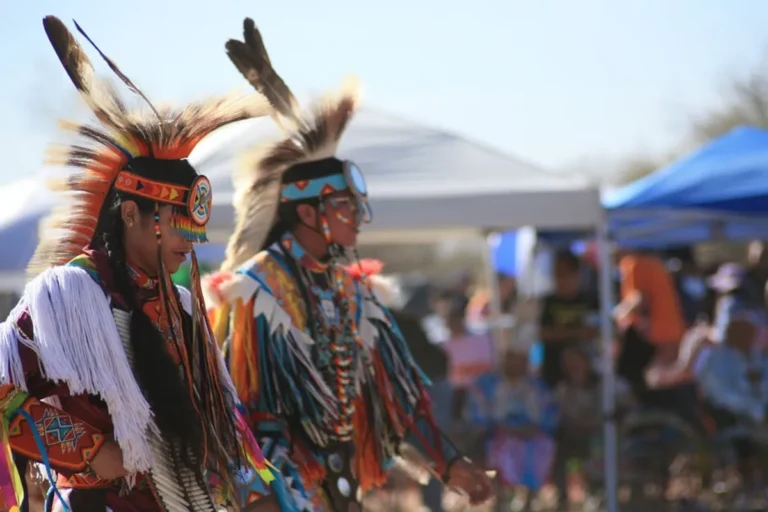
Today, Sioux beadwork continues to thrive, with artists drawing inspiration from historical forms while also innovating with new techniques and contemporary themes. There's a strong emphasis on cultural preservation and passing down traditional skills. Contemporary pieces often demonstrate a high level of craftsmanship, utilizing both traditional and modern materials, and can command significant value based on the artist's reputation and the piece's artistic merit.
Key Factors Influencing Value
The value of Sioux beadwork is not static; it is a dynamic assessment based on several interconnected attributes. Understanding these factors is crucial for accurate appraisal and informed purchasing.
- Age and Provenance: Older pieces, particularly those from the pre-Reservation and early Reservation periods (pre-1920s), generally command higher values due to their rarity and historical significance. Documented provenance, such as a clear chain of ownership, association with a specific artist or family, or historical context, significantly enhances value.
- Condition: The physical state of the beadwork is paramount. Minimal bead loss, intact hide or fabric, unfaded colors, and original stitching indicate superior condition. Extensive repairs, significant bead loss, or deterioration of the underlying material can drastically reduce value.
- Artistic Merit and Craftsmanship: This encompasses the complexity of the design, the precision of the stitching, the harmony of the color palette, and the overall aesthetic impact. Pieces demonstrating exceptional skill, innovative design, or a unique artistic voice are highly prized.
- Rarity and Uniqueness: Objects that are rare in form, design, or historical association often fetch higher prices. One-of-a-kind pieces, ceremonial items, or those made for specific individuals tend to be more valuable than more common utilitarian items.
- Materials: The quality and type of materials used contribute to value. Early Venetian or Czech seed beads, high-quality brain-tanned hide, and natural pigments (in accompanying elements) are more desirable than modern, mass-produced materials.
- Size and Scope: Larger, more elaborate pieces that required extensive time and skill to create, such as fully beaded dresses, war shirts, or horse trappings, often have higher values than smaller, simpler items like small pouches or single moccasins, assuming comparable quality and condition.
- Cultural Significance: Items with documented use in significant ceremonies, or those associated with important historical figures or events, possess an added layer of cultural and historical value that can translate into higher market prices.
Pro Tip: Authenticity and Due Diligence
The market for Native American art, including Sioux beadwork, contains reproductions and pieces misattributed in origin or age. Always seek items from reputable dealers, galleries, or auction houses specializing in Native American art. Request detailed provenance, condition reports, and expert authentication. Familiarize yourself with the Indian Arts and Crafts Act, which prohibits misrepresentation in the marketing of Native American-produced goods.
Informed Collection and Appreciation
Collecting or valuing Sioux beadwork requires more than just an aesthetic appreciation; it demands an understanding of its cultural roots, artistic techniques, and the market dynamics. By carefully assessing age, condition, provenance, and artistic merit, collectors can build meaningful collections that honor the legacy of Sioux artistry. Engagement with tribal communities, scholarly resources, and experienced specialists further enriches the collecting journey, ensuring that these significant cultural artifacts are preserved and appreciated for generations.
Frequently Asked Questions
What is the "lazy stitch" in Sioux beadwork?
The lazy stitch is a common beadwork technique where beads are strung on a thread and then sewn down in short rows or bands, creating a slightly raised, ridged texture. It's characteristic of many Plains beadwork styles, particularly for filling larger areas with geometric designs.
How can I differentiate between old and new Sioux beadwork?
Older pieces often exhibit patination on hide, slight irregularities in bead size or color due to historical manufacturing, and specific bead types (e.g., larger pony beads, older glass seed beads). New pieces may use more uniform modern beads and materials, though contemporary artists often intentionally replicate older styles with great skill. Provenance and expert assessment are critical for definitive age determination.
What are common motifs found in Sioux beadwork?
Common motifs include geometric shapes like triangles, diamonds, crosses, and stepped patterns, often arranged in bold bands or fields. Floral designs, particularly during the Reservation era, also appear, sometimes stylized or more naturalistic. Animal figures and celestial symbols can also be found, though less frequently than geometric or floral patterns.
How should I care for and preserve Sioux beadwork?
Store beadwork in a stable environment away from direct sunlight, extreme temperature fluctuations, and high humidity, which can degrade materials. Avoid handling pieces by the beaded areas. For cleaning, gentle dusting with a soft brush is usually sufficient; never use water or chemical cleaners. Consult a professional conservator for any necessary repairs or extensive cleaning.