Navajo sterling silver jewelry represents a significant cultural art form, blending intricate craftsmanship with deep symbolic meaning. For buyers, navigating the market requires understanding both the material integrity and the artistic traditions that define authentic pieces. This guide outlines the essential considerations for acquiring Navajo jewelry, focusing on material standards, design elements, quality assessment, and responsible purchasing practices. This guide offers a comprehensive look at native american jewelry, helping you make informed choices.
Understanding Navajo Sterling Silver Jewelry
Authentic Navajo jewelry is distinguished by its use of sterling silver, a metal alloy that balances purity with durability, and by the distinctive handcrafting techniques passed down through generations. Recognizing these fundamental aspects is crucial for any buyer.
Defining Sterling Silver Purity
Sterling silver is an alloy composed of 92.5% pure silver and 7.5% other metals, typically copper. This specific composition, often marked as "925" or "Sterling," provides the necessary hardness and strength for jewelry making while retaining the lustrous appearance of silver. Pure silver (99.9% fine silver) is too soft for most jewelry applications, making sterling silver the standard for wearable, lasting pieces. The copper content, while adding strength, also makes sterling silver susceptible to tarnishing over time, a natural oxidation process that can be addressed with proper care.
Authentic Navajo Craftsmanship Markers
Navajo jewelry is traditionally handmade, a process that imbues each piece with unique character. This involves working with silver sheets or wire, often employing tools specific to the artist or workshop. Key indicators of authentic craftsmanship include the presence of hand-stamped designs, evidence of filing and polishing marks that suggest manual finishing, and the overall weight and feel of the piece, which often reflects substantial metal content. Unlike mass-produced items, genuine Navajo pieces rarely exhibit machine-perfect uniformity; slight irregularities are often a testament to their handmade origin.
Key Elements of Navajo Jewelry Design
The visual language of Navajo jewelry is rich with cultural significance, expressed through recurring motifs and specialized fabrication techniques.
Traditional Motifs and Symbolism
Many Navajo jewelry designs incorporate elements drawn from the natural world and spiritual beliefs. Common motifs include:
- Squash Blossom: A widely recognized necklace design, often featuring a naja (crescent shape) pendant and "blossom" beads, symbolizing agricultural fertility and prosperity.
- Bear Paw: Represents strength, healing, and protection.
- Eagle: Symbolizes courage, wisdom, and freedom.
- Yei Figures: Depictions of holy people, often used in sandpaintings and sometimes incorporated into jewelry, carrying spiritual meaning.
- Geometric Patterns: Intricate patterns often reflect elements of weaving designs and the landscape.
The choice of stones, particularly turquoise, also carries symbolic weight, often associated with protection, health, and good fortune.
Common Techniques
Navajo jewelers employ a range of specialized techniques to create their distinctive pieces:
- Stamping: Hand-carved steel dies are used to impress patterns onto silver sheets, creating texture and design.
- Repoussé: A method of hammering silver from the reverse side to create a raised design on the front.
- Overlay: Two sheets of silver are used; the top layer is cut with a design, and then soldered onto a solid bottom layer, creating a raised, contrasting pattern. The recessed areas are often oxidized (darkened) for emphasis.
- Inlay: Precisely cut stones (like turquoise, coral, jet, or mother-of-pearl) are set flush into a silver channel or cavity, creating a smooth, mosaic-like surface.
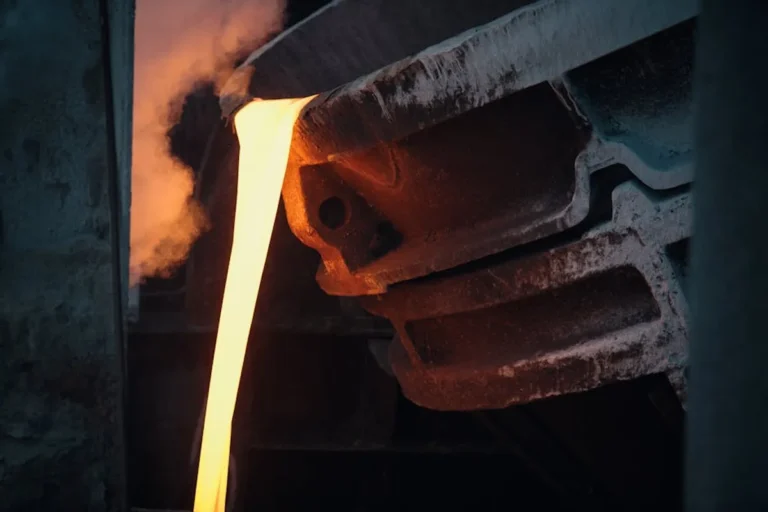
- Sandcasting: Molten silver is poured into molds made from compressed sand, producing solid, often textured pieces.
Understanding these techniques helps in appreciating the labor and skill involved in each item.
Evaluating Quality and Value
Determining the quality and value of Navajo sterling silver jewelry involves assessing both the silver work and any incorporated gemstones, alongside the artist's provenance. Understanding the history and characteristics of old pawn navajo jewelry can significantly enhance its perceived value.
Assessing Silver Work
High-quality silver work will exhibit a consistent finish, free from rough edges, deep scratches, or poorly executed solder joints. The weight of the piece should feel substantial for its size, indicating adequate silver content rather than thin, flimsy construction. Polishing should be even, bringing out the silver's natural luster without obscuring design details. Inspect clasps, hinges, and stone settings for secure and robust construction, ensuring longevity and wearability.
Gemstone Quality
Turquoise is the most iconic gemstone in Navajo jewelry. Its value is influenced by several factors:
- Color: Ranges from sky blue to deep green, with robin's egg blue often considered highly desirable.
- Matrix: The natural host rock visible as veins or patterns within the turquoise. Some buyers prefer "spiderweb" matrix, while others seek clear, unblemished stones.
- Hardness/Stability: Untreated, natural turquoise is relatively soft. Many stones are stabilized (infused with epoxy) to improve durability and color consistency. While stabilized turquoise is common and acceptable, untreated, natural turquoise typically commands higher prices.
Other stones like coral, jet, spiny oyster, and lapis lazuli are also used; their quality is assessed by color saturation, absence of cracks, and secure setting.
Identifying Artist Signatures and Hallmarks
Many contemporary Navajo jewelers sign their work, often with initials, a full name, or a unique hallmark. These signatures provide provenance, confirming the artist's identity and contributing to the piece's authenticity and potential future value. While older pieces may be unsigned, the presence of a clear, recognizable signature or hallmark from a known artist is a strong indicator of quality and authenticity. Reputable dealers can often provide information about the artists they represent.
Where to Purchase Authentic Pieces
Acquiring authentic Navajo sterling silver jewelry requires seeking out trusted sources to ensure both quality and ethical purchasing.
Reputable Dealers and Galleries
Established galleries specializing in Native American art, museum shops, and long-standing jewelry dealers with a focus on Southwestern crafts are excellent sources. These vendors typically have deep knowledge of the artists they carry, can provide certificates of authenticity, and stand behind the quality of their merchandise. They often have direct relationships with artists and understand the nuances of tribal art.
Online Marketplaces
When purchasing online, prioritize sellers with transparent business practices, detailed product descriptions, clear high-resolution images, and explicit return policies. Look for vendors who provide artist information, material specifications (e.g., "stabilized turquoise," "natural turquoise"), and photographs of hallmarks. Customer reviews and seller ratings can offer additional insights into reliability.
Direct from Artists
Purchasing directly from Navajo artists at cultural festivals, art markets, or on reservations is a way to ensure authenticity and directly support the creators. This also offers the opportunity to learn about the piece and its cultural context firsthand. Always verify the artist's tribal affiliation if that is a key factor in your purchase decision.
Pro Tip: Be wary of terms like "Native American style," "Southwestern inspired," or "tribal look" without explicit attribution to a specific tribe or artist. These descriptors often indicate mass-produced items that lack the authentic craftsmanship and cultural significance of genuine Navajo jewelry.
Caring for Your Navajo Sterling Silver Jewelry
Proper care preserves the beauty and integrity of your sterling silver jewelry.
- Regular Cleaning: Use a soft polishing cloth specifically designed for silver to gently remove tarnish. For heavier tarnish, a mild silver cleaning solution can be used, but avoid harsh chemicals, especially on pieces with set stones.
- Avoid Chemicals: Remove jewelry before swimming in chlorinated water, using household cleaners, or applying lotions, perfumes, and hairsprays, as these can accelerate tarnishing or damage stones.
- Proper Storage: Store sterling silver jewelry in an airtight bag or a jewelry box lined with anti-tarnish fabric. This limits exposure to air and moisture, slowing the oxidation process. Keep pieces separate to prevent scratching.
- Stone Care: Turquoise and other natural stones are porous and can be affected by oils and chemicals. Wipe stones gently with a soft, damp cloth and dry immediately. Avoid ultrasonic cleaners, which can damage softer or inlayed stones.
Making an Informed Purchase
Acquiring Navajo sterling silver jewelry is an investment in art, culture, and craftsmanship. By understanding the hallmarks of sterling silver, recognizing traditional designs and techniques, carefully evaluating quality, and sourcing from reputable channels, you ensure that your purchase is both authentic and personally meaningful. This informed approach allows you to appreciate the enduring beauty and heritage embedded in each piece.
Frequently Asked Questions
What is the primary difference between Navajo and Zuni jewelry?
Navajo jewelry is often characterized by its heavier silver work, prominent use of hand-stamping, repoussé, and larger, often cabochon-cut stones. Zuni jewelry is renowned for its intricate stone cutting and setting techniques, particularly needlepoint, petit point, and inlay, creating delicate mosaic-like patterns with multiple small stones.
How can I determine if turquoise is real?
Authentic turquoise typically has a specific weight and feel; it will also absorb some warmth from your skin. Look for natural variations in color and matrix. Fakes are often too light, uniformly colored, or have an unnatural plastic-like sheen. When in doubt, consult a reputable jeweler or gemologist.
Does Navajo sterling silver jewelry increase in value over time?
While not all pieces appreciate significantly, well-crafted, authentic Navajo jewelry by renowned artists, especially those with unique designs or high-quality natural stones, can hold or increase in value over time. Factors include the artist's reputation, rarity, condition, and the quality of materials used.
Why are some older Navajo jewelry pieces unsigned?
Historically, many Navajo jewelers did not sign their work, particularly before the mid-20th century, as pieces were often made for local trade or personal use. The practice of signing became more prevalent as the market for Native American art grew and artists sought to establish individual recognition. Unsigned older pieces can still be authentic and valuable, often identified by their style, techniques, and provenance.