Native American wedding baskets are more than decorative objects; they are culturally significant artifacts, each woven with specific meanings and purposes embedded within the traditions of various Indigenous peoples. Understanding the symbolism, materials, and ceremonial roles of these baskets requires acknowledging the diversity of Native American cultures. While the term "Native American" encompasses hundreds of distinct tribes, certain unifying themes emerge regarding wedding baskets: they often represent the union of two individuals, the prosperity of a new household, and the continuity of cultural heritage.
The Cultural Significance of Wedding Baskets
The core meaning of a Native American wedding basket stems from its function as a vessel for ritual, not merely a gift. These baskets are integral to marriage ceremonies, symbolizing the intertwining of lives, the responsibilities of partnership, and the blessings sought for the couple's future. The specific design, materials, and usage are deeply tied to the cosmology and social structures of the originating tribe, making each basket a narrative of its people's values.
Materials and Craftsmanship as Symbols
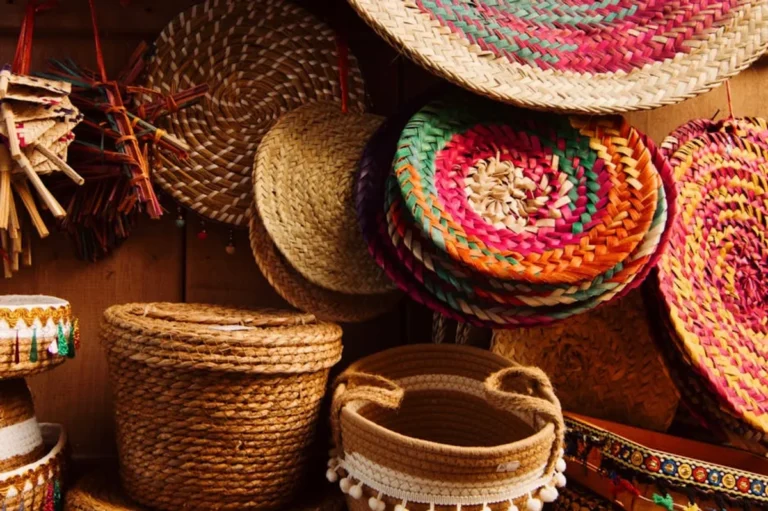
The physical composition of a wedding basket is rarely arbitrary. The choice of natural materials, such as willow, sumac, yucca, or cedar bark, often reflects what is locally available and culturally significant. The durability of these fibers can symbolize the strength and longevity desired for the marriage. The intricate weaving process itself, often passed down through generations, represents the careful construction of a life together, the patience required, and the interconnectedness of family and community. For instance, tightly coiled baskets can signify a strong, unbreakable bond, while specific dyes derived from plants might carry additional layers of meaning related to health or abundance.
Common Motifs and Their Interpretations
Patterns woven into wedding baskets are not simply aesthetic choices; they are visual language. Recurring motifs often depict elements of the natural world, spiritual concepts, or representations of human experience. Understanding these symbols is key to appreciating the basket's full meaning:
- The "Spirit Line" or "Pathway": Prominently featured in Navajo wedding baskets, this is a break in the pattern that extends from the center to the rim. It symbolizes the path of life, allowing the weaver's spirit to enter and exit the basket, and for the couple, it represents their journey together, acknowledging both connection and individual identity.
- Geometric Shapes: Diamonds, zigzags, and stepped patterns can represent mountains, water, lightning, or the four directions, each carrying associations with protection, sustenance, or spiritual power.
- Human and Animal Figures: Stylized figures might represent ancestors, deities, or specific animals revered for traits like wisdom (owl), strength (bear), or swiftness (deer), invoking these qualities for the couple.
- Celestial Bodies: Sun, moon, and star motifs often signify guidance, light, and the cyclical nature of life and renewal.
Regional Variations in Basket Meaning and Use
The term "Native American wedding basket" is a generalization. Meanings and traditions vary significantly across different tribal nations and geographic regions. Specific examples illustrate this diversity.
Southwestern Traditions
In the American Southwest, tribes like the Navajo, Apache, and Hopi have rich basketry traditions, with wedding baskets holding particular prominence. The Navajo wedding basket, known as a ts'aa', is perhaps one of the most recognized. It features a distinctive red band, a black band, and a white or natural center, with the aforementioned "spirit line." During the wedding ceremony, cornmeal mush is often served from the basket, and the couple partakes from it, symbolizing their shared life and prosperity. The basket is oriented with the spirit line facing east, towards the rising sun, signifying new beginnings and blessings.
California Native Traditions
Among tribes such as the Pomo, intricate basketry is a hallmark, though their ceremonial baskets may serve broader functions beyond exclusive wedding use. Pomo baskets, known for their elaborate feather work and shell decorations, were highly valued and often used in significant life events, including marriage exchanges. While not always explicitly "wedding baskets" in the same ritualistic sense as the Navajo, these finely crafted pieces represented wealth, status, and the sacredness of important transitions.
Pro Tip: When researching or engaging with Native American wedding baskets, always prioritize understanding the specific tribal origin. Generalizations can obscure the unique cultural nuances and meanings. Authentic understanding requires acknowledging and respecting the distinct traditions of each nation.
The Role of Wedding Baskets in Modern Ceremonies
Today, Native American wedding baskets continue to play a vital role, often bridging traditional practices with contemporary celebrations. For many Indigenous couples, incorporating a wedding basket into their ceremony is a powerful affirmation of cultural identity and heritage. They serve as tangible links to ancestral practices, symbolizing continuity and resilience. In some cases, families may use heirloom baskets passed down through generations, imbuing the ceremony with a profound sense of history and familial connection. For others, acquiring a new basket from a tribal artisan supports contemporary craftspeople and ensures the perpetuation of traditional skills and knowledge.
Understanding Authenticity and Provenance
The cultural and commercial value of Native American wedding baskets is intrinsically tied to their authenticity and provenance. An authentic basket is typically handcrafted by an Indigenous artisan using traditional materials and techniques specific to their tribe. Understanding the origin—the tribe, the weaver, and the specific cultural context—is crucial for appreciating its meaning and ensuring ethical engagement. This knowledge not only enriches the appreciation of the object but also supports the cultural integrity and economic sovereignty of Native American communities.
Practical Insights for Engagement
Engaging with the subject of Native American wedding basket meanings requires a commitment to respectful inquiry and education. For those interested in their cultural significance, consider these approaches:
- Deepen Research: Move beyond general overviews to explore the specific traditions of individual tribes. Tribal cultural centers, museums with dedicated Indigenous collections, and academic resources offer invaluable insights.
- Support Indigenous Artisans: If considering acquiring a basket, seek out direct sources such as tribal art markets, certified Native American art dealers, or directly from the artisans themselves. This ensures ethical sourcing and fair compensation.
- Respect Cultural Context: Recognize that these baskets are not merely art objects but hold sacred and ceremonial significance. Treat them with the reverence they deserve, understanding their role within a living culture.
- Educate Others: Share accurate information about the meanings and origins of these baskets to foster greater understanding and appreciation, countering misconceptions or generic interpretations.
Frequently Asked Questions
What is the primary purpose of a Native American wedding basket?
The primary purpose is ceremonial, serving as a symbolic vessel in marriage rites to represent unity, prosperity, and the couple's shared journey, with specific meanings varying by tribe.
Do all Native American tribes use wedding baskets?
No, the tradition of specific "wedding baskets" is prominent in certain tribes, particularly in the American Southwest, while other tribes may use different ceremonial objects or have distinct marriage customs.
What do the patterns on wedding baskets symbolize?
Patterns typically symbolize elements of nature (mountains, water, celestial bodies), spiritual concepts (life's path, protection), or human figures, each conveying specific cultural meanings and blessings for the couple.
How can one ensure a wedding basket is authentic?
Authenticity is best ensured by purchasing from reputable sources, such as tribal cultural centers, certified Native American art dealers, or directly from known Indigenous artisans, who can provide provenance and details about the basket's origin and maker.