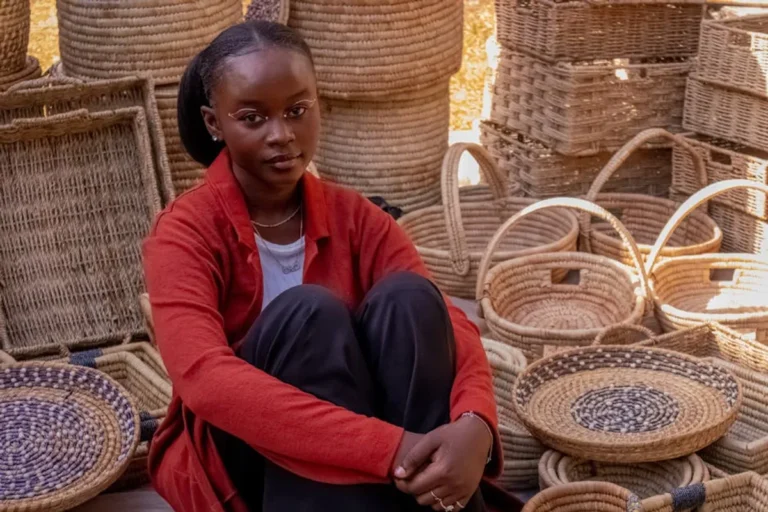
Acquiring Native American woven baskets represents an investment in art, history, and cultural heritage. For prospective buyers, the decision extends beyond aesthetic preference; it involves understanding authenticity, evaluating craftsmanship, and recognizing the cultural significance embedded in each piece. This guide outlines the essential considerations for making an informed purchase, ensuring your acquisition reflects genuine artistry and holds lasting value.
Understanding Authenticity and Provenance
Identifying Genuine Craftsmanship
Authenticity in Native American woven baskets is primarily determined by their origin, the materials used, and the traditional techniques employed. Genuine pieces are handmade by Indigenous artisans, often reflecting specific tribal styles, patterns, and material preferences passed down through generations. For example, coiled baskets from the Southwest often feature intricate geometric designs using yucca or sumac, while twined baskets from the Northwest Coast might utilize cedar bark or spruce root in more figurative or symbolic patterns. The presence of machine-made elements, synthetic dyes, or non-traditional materials typically indicates a reproduction or an inauthentic item. Examine the weave for consistency, the natural variations inherent in hand-processed materials, and the precision that comes from skilled handwork rather than mechanical repetition.
The Importance of Documentation
Provenance, or the history of ownership, is crucial for verifying authenticity and value. Reputable sellers provide documentation that includes the artist's name (if known), tribal affiliation, the region of origin, and the approximate age of the basket. Certificates of authenticity, especially for contemporary pieces, should detail these specifics. For older or antique baskets, a documented chain of ownership from a recognized collection, gallery, or previous owner significantly enhances credibility. Without verifiable provenance, assessing a basket's true origin and historical significance becomes challenging, increasing the risk of acquiring a misrepresented item. Always request and retain any available documentation.
Key Factors in Evaluating Basket Quality
Material and Weave Integrity
The quality of a woven basket is directly linked to its materials and the integrity of its construction. Artisans select specific plant fibers for their durability, flexibility, and aesthetic properties. Common materials include:
- Willow: Known for its strength and smooth finish, often used in coiled baskets.
- Yucca: Provides sturdy fibers, frequently seen in Southwestern baskets for its natural color variations.
- Sumac: Flexible and durable, it takes dyes well, allowing for vibrant patterns.
- Cedar Bark: Valued for its pliability and distinct aroma, common in Northwest Coast weaving.
- Spruce Root: Extremely flexible and waterproof when tightly woven, used for utilitarian and ceremonial baskets.
A high-quality weave exhibits uniform tension, tight coiling or twining, and a consistent pattern. Gaps, loose fibers, or uneven stitching can indicate lesser craftsmanship or damage. The rim finish, often a reinforced or decorative element, should be secure and well-executed, as it is a critical structural component.
Condition and Preservation
The physical condition profoundly impacts a basket's value. Assess for signs of damage such as breaks, cracks, unraveling, or significant material loss. Fading from sun exposure, insect damage, or evidence of improper cleaning can also detract from value. While minor wear is expected in older pieces, extensive repairs or restoration should be disclosed and professionally executed to maintain integrity. A basket in original, well-preserved condition, even with some age-appropriate patina, is generally more desirable than one that has undergone substantial repair. For antique baskets, stability is key; even if showing age, the structure should be sound.
Aesthetic and Artistic Merit
Beyond technical perfection, a basket's artistic merit contributes to its desirability. This includes the complexity of its design, the balance of its form, and the symbolic meaning embedded in its patterns. Exceptional pieces often display innovative use of color, intricate patterning, or unique shapes that distinguish them as individual works of art. The overall visual impact, the story it tells, and its resonance with traditional tribal aesthetics are all components of its artistic value. Consider how the artist has utilized the natural characteristics of the materials to enhance the design.
Navigating the Market: Where to Buy
Reputable Dealers and Galleries
Purchasing from established dealers or galleries specializing in Native American art provides a layer of security. These venues often have expert staff who can provide detailed information on provenance, artist background, and care instructions. They typically offer certificates of authenticity and have clear return policies, mitigating risk. Their inventory is usually curated, ensuring a higher standard of quality and authenticity. Prioritize dealers with long-standing reputations and affiliations with professional art associations.
Direct from Artists and Tribal Markets
Buying directly from Native American artists or at tribal markets supports Indigenous economies and ensures that the artisan receives fair compensation. This direct connection also offers an opportunity to learn about the basket's cultural context and the artist's creative process firsthand. While documentation might be less formal, the direct interaction often provides compelling oral provenance. Always confirm the artist's tribal affiliation and ensure the market is legitimate and ethically managed.
Auction Houses and Online Platforms
Auction houses and specialized online platforms can offer a wide selection, including rare and antique pieces. However, these venues require heightened buyer diligence. Research the auction house's reputation for authenticating Native American art and carefully review condition reports and provenance details. For online marketplaces, scrutinize high-resolution images, read seller reviews, and inquire about return policies. Be wary of vague descriptions or sellers unwilling to provide additional information or images.
Pro Tip: Always prioritize verifiable provenance over price. A seemingly inexpensive basket without clear documentation or artist information carries a higher risk of being a reproduction or misrepresented item. Investing in a well-documented piece, even at a higher initial cost, typically ensures greater long-term value and ethical acquisition.
Protecting Your Investment
Proper care and display are essential for preserving the condition and value of Native American woven baskets. Keep baskets out of direct sunlight to prevent fading and away from heat sources or extreme humidity fluctuations, which can cause materials to dry out or become brittle. Display in a stable environment with moderate temperature and humidity. For cleaning, gentle dusting with a soft brush is usually sufficient; avoid water or chemical cleaners unless advised by a professional conservator. Consider insuring valuable pieces through a specialized art or collectibles policy. Maintain all documentation, including purchase receipts, certificates of authenticity, and any provenance records, in a secure location. These records are vital for future valuation, sale, or insurance claims.
Frequently Asked Questions
How can I clean a Native American basket without causing damage?
For most baskets, a soft, dry brush or a very gentle vacuum with a brush attachment can remove dust. Avoid water, harsh chemicals, or abrasive materials, as these can damage fibers, cause discoloration, or compromise the weave. For significant dirt or damage, consult a professional textile conservator.
What factors most determine the value of a Native American basket?
Value is primarily determined by authenticity, artist (if known), tribal origin, age, condition, rarity, artistic merit (design complexity, aesthetic appeal), and verifiable provenance. Baskets by renowned artists or those with significant historical documentation often command higher prices.
Are all Native American baskets considered antiques?
No. While many older baskets are indeed antiques (generally over 100 years old), contemporary Native American artists continue to create new woven baskets. Both antique and contemporary pieces can hold significant artistic and cultural value, with their own distinct market considerations.
How can I tell if a basket is truly handmade?
Look for irregularities inherent in handcraft, such as slight variations in weave tension, fiber thickness, or pattern repetition. Machine-made items often display perfect uniformity and symmetry. Examine the rim and start of the coil or weave for hand-finished details. Natural material variations are also a strong indicator.