Purchasing Native American sterling silver jewelry represents an investment in artistry, cultural heritage, and a tangible piece of history. For collectors and enthusiasts, understanding the nuances of these pieces is crucial for identifying authentic craftsmanship, appreciating the materials, and ensuring a purchase that holds both aesthetic and intrinsic value. This guide outlines the essential elements to consider, from silver purity and artist hallmarks to traditional techniques and ethical sourcing, enabling informed decisions when acquiring these distinctive works.
The Foundation: Sterling Silver Purity
Authentic Native American jewelry primarily utilizes sterling silver, an alloy composed of 92.5% pure silver and 7.5% other metals, typically copper. This specific ratio is critical because pure silver (99.9% fine silver) is too soft for durable jewelry applications; it bends and scratches easily. The addition of copper provides strength and resilience, making the metal suitable for intricate designs and daily wear, while retaining the lustrous appearance of silver. The industry standard for sterling silver is denoted by the "925" mark, indicating its purity. When evaluating a piece, confirming this hallmark is the first step in verifying material quality.
Hallmarks and Artist Signatures
Importance of Hallmarks
Hallmarks serve as a critical identifier for sterling silver jewelry. Beyond the "925" purity mark, many pieces of Native American jewelry carry additional stamps that provide provenance. These can include the artist's initials or full name, a tribal affiliation mark, or a specific shop or guild mark. These marks are often small and discreetly placed on the back or underside of a piece. Their presence indicates that the artist takes pride in their work and adheres to recognized standards. The absence of any hallmark, while not definitively indicating a fake, should prompt closer scrutiny regarding the piece's origin and material claims.
Artist Signatures and Tribal Affiliation
The value of Native American jewelry often increases significantly when the artist is known. Many prominent artists have established unique styles and reputations. A recognized artist's signature guarantees not only the quality of the craftsmanship but also the cultural authenticity of the design. Researching known artists and their signature styles can aid in identifying pieces. Furthermore, tribal affiliations—such as Navajo, Zuni, Hopi, or Santo Domingo—often correspond to distinct design aesthetics and techniques. For example, Zuni artists are renowned for intricate inlay and needlepoint work, while Navajo silversmiths are known for heavy gauge silver, stamp work, and larger stone settings. Understanding these tribal distinctions helps appreciate the specific artistic traditions embedded in each piece.
Distinctive Craftsmanship Methods
Traditional Silversmithing Techniques
The artistry in Native American sterling silver jewelry is evident in the diverse range of traditional techniques employed:
- Inlay: This technique involves cutting and fitting individual pieces of stone (or shell) into a silver matrix, creating a mosaic-like pattern. The surface is then polished smooth, so the silver and stone are flush.
- Channel Inlay: A variation of inlay where thin strips of silver create individual "channels" or compartments for each precisely cut stone piece.
- Overlay: Predominantly used by Hopi jewelers, this involves two layers of silver. The top layer has a design cut out, and this top layer is then soldered onto a solid bottom layer, creating a striking contrast between the oxidized (darkened) recessed areas and the polished raised silver.
- Stampwork: Designs are created by hammering metal stamps onto the silver surface, producing repetitive patterns or textures. This technique is a hallmark of Navajo jewelry.
- Repoussé and Chasing: Repoussé involves hammering metal from the reverse side to create a design in relief, while chasing refines the design from the front. These techniques create three-dimensional forms on the silver surface.
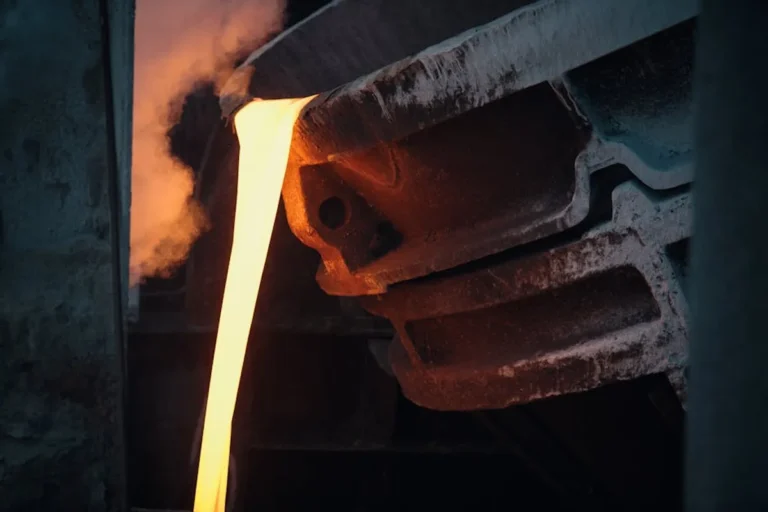
- Sandcasting/Tuffa Casting: Molten silver is poured into a mold carved into sand or tuffa stone. This ancient technique produces unique, often rugged textures and distinctive forms.
Stone Setting and Embellishments
Stones are integral to Native American jewelry, with turquoise being the most iconic. Different types of turquoise, often named after their mines of origin, possess unique characteristics:
- Sleeping Beauty Turquoise: Known for its pure, robin's egg blue color with little to no matrix (veining).
- Kingman Turquoise: Often features a spiderweb matrix or black matrix against a blue or blue-green background.
- Bisbee Turquoise: Prized for its deep blue color with a distinctive reddish-brown or chocolate matrix.
- Morenci Turquoise: Characterized by its beautiful blue color with a "pyrite" matrix, often appearing as sparkling silver or gold specks.
Beyond turquoise, other stones frequently used include coral, lapis lazuli, onyx, mother of pearl, and spiny oyster shell. The method of setting these stones, typically bezel setting (where a metal strip wraps around the stone to hold it in place), is a key indicator of craftsmanship quality. A well-executed bezel setting is smooth, secure, and evenly surrounds the stone without gaps.
Ensuring Authenticity
Verifying authenticity requires careful attention to detail. Beyond hallmarks and artist signatures, examine the overall craftsmanship. Genuine pieces exhibit precision in stone cutting, secure settings, and consistent silver work. Handmade pieces will often show subtle irregularities that distinguish them from mass-produced items. Look for signs of careful finishing, such as smoothly polished edges and sturdy construction. Be wary of pieces that appear too uniform, lack any identifying marks, or are offered at prices significantly below market value for comparable items.
Pro Tip: When evaluating a piece, pay close attention to the solder joints. On authentic, handmade Native American jewelry, solder marks should be minimal and clean, indicating skilled workmanship. Sloppy or excessive solder can be a sign of rushed production or repairs that detract from the piece's original integrity.
Ethical Considerations in Purchasing
When acquiring Native American sterling silver jewelry, consider the ethical implications of your purchase. Supporting Native American artists directly, or through reputable galleries and dealers who work directly with artists and their families, ensures that the financial benefit returns to the communities that create these cultural treasures. This practice helps preserve traditional art forms and supports economic independence within Native American nations. Inquire about the provenance of a piece; a knowledgeable seller should be able to provide information about the artist, tribe, and origin of the materials.
Preserving Your Investment
Proper care and maintenance are essential for preserving the beauty and value of Native American sterling silver jewelry. Sterling silver naturally tarnishes over time due to exposure to air and moisture. Store pieces in airtight bags or velvet pouches to minimize this process. For cleaning, use a soft polishing cloth specifically designed for silver. For heavier tarnish, a mild silver cleaning solution can be used, but exercise caution, especially with pieces containing porous stones like turquoise or coral. Avoid harsh chemicals, abrasive cleaners, or ultrasonic cleaners, as these can damage stones, loosen settings, or alter patinas. Regularly wipe pieces with a soft cloth after wear to remove oils and residues.
Making an Informed Purchase
Acquiring Native American sterling silver jewelry is a rewarding experience when approached with knowledge. Prioritize pieces with clear 925 sterling silver hallmarks and, ideally, artist signatures or tribal marks. Evaluate the craftsmanship for precision in techniques like inlay, overlay, and stampwork, and assess the quality and setting of any stones. Always inquire about the piece's origin and the artist behind it. An informed buyer not only gains a beautiful and meaningful item but also contributes to the continuation of a rich artistic legacy.
Common Inquiries
How can I tell if Native American jewelry is authentic?
Authenticity is best determined by looking for the "925" sterling silver hallmark, an artist's signature or tribal mark, and evaluating the quality of craftsmanship. Genuine pieces show meticulous detail, secure stone settings, and traditional techniques. Researching known artists and tribal styles also helps.
What is the significance of turquoise in Native American jewelry?
Turquoise holds deep cultural and spiritual significance for many Native American tribes, often symbolizing protection, strength, and good fortune. Its use is rooted in centuries of tradition, making it the most iconic stone in their jewelry.
How do I clean and care for my sterling silver jewelry?
To prevent tarnish, store sterling silver in airtight bags. Clean regularly with a soft silver polishing cloth. For heavier tarnish, use a mild silver cleaning solution, but avoid harsh chemicals or ultrasonic cleaners, especially on pieces with stones like turquoise or coral.
Is all Native American jewelry made by hand?
The most valued and authentic Native American jewelry is handcrafted, often using traditional silversmithing techniques passed down through generations. While some contemporary pieces may incorporate machine-made components, the essence of traditional Native American jewelry lies in its handmade artistry.