
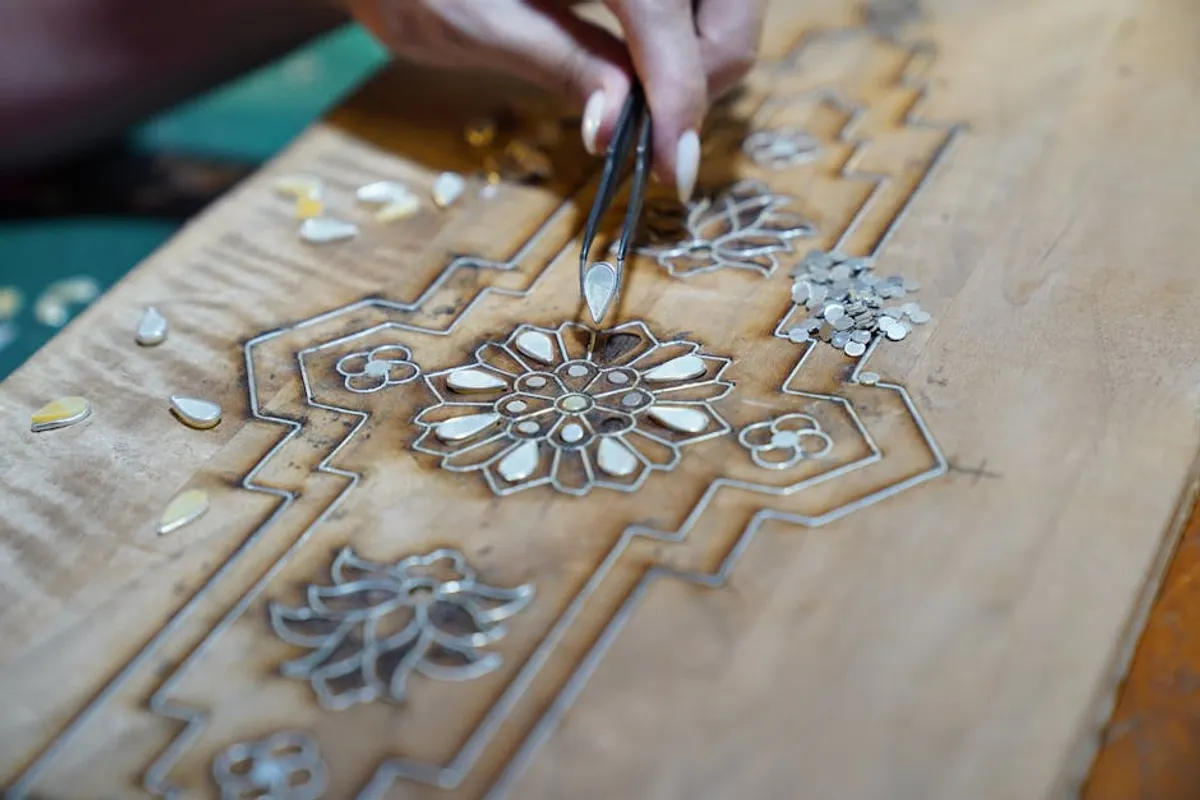
Zuni inlay earrings represent a specialized segment within Native American jewelry, distinguished by their intricate stone-to-stone craftsmanship. Unlike broader categories of Southwestern jewelry, Zuni inlay work demands precise stone cutting and meticulous setting, creating a mosaic-like surface. For collectors, resellers, or those seeking authentic pieces, understanding the historical context, specific design methodologies, and quantifiable value drivers is essential. This knowledge not only informs purchasing decisions but also deepens appreciation for the artistic labor and cultural significance embedded in each pair.
The Historical Trajectory of Zuni Inlay Jewelry
The Zuni Pueblo, located in western New Mexico, has a rich silversmithing tradition that predates many other Native American jewelry styles. While early Zuni work often featured larger, singular stones or simple stamp work, the distinct inlay technique began to emerge and gain prominence in the early 20th century. This evolution was influenced by several factors, including access to new tools and materials, and a growing market interest in more elaborate and colorful designs.
Zuni artisans developed a mastery of cutting and fitting small, precisely shaped stones into a silver channel or bezel. This technique, known as "stone-to-stone" or "channel inlay," allowed for the creation of pictorial designs and complex geometric patterns. Initially, turquoise was the primary stone, often combined with jet. Over time, the palette expanded to include coral, mother-of-pearl, and later, other natural and sometimes synthetic materials, reflecting both artistic innovation and market demand.
The mid-20th century marked a significant period for Zuni inlay, with many artists gaining recognition for their highly detailed and often narrative-driven pieces. This era solidified the Zuni reputation for intricate mosaic and needlepoint work, differentiating their style from the heavier silverwork and larger stone settings characteristic of Navajo jewelry.
Distinguishing Zuni Inlay Designs and Techniques
The hallmark of Zuni inlay earrings lies in the precise arrangement of multiple stones to form a unified design. This is not merely about setting stones but about shaping each individual piece to fit seamlessly alongside others, often with thin silver channels separating them. Several specific techniques define Zuni inlay:
- Channel Inlay: Stones are cut and fit into silver channels, creating a smooth, flush surface where the silver acts as a divider between the stone segments. This technique allows for sharp lines and geometric precision.
- Stone-to-Stone Inlay: Similar to channel inlay but often without visible silver dividers between every stone, giving the appearance of a continuous mosaic. The stones are meticulously cut to fit directly against each other, creating a tight, uninterrupted pattern.
- Mosaic Inlay: This involves setting many small, irregularly shaped stones onto a solid silver backing, often with a sealant, creating a textured or pictorial surface. It can be more free-form than channel inlay.
- Needlepoint and Petit Point: While not strictly inlay, these techniques are closely associated with Zuni work and often appear on earrings. Needlepoint uses long, thin, pointed oval stones, while petit point uses small, round, oval, or square stones. Both are set in individual bezels, creating a delicate, lace-like appearance.
Common motifs in Zuni inlay earrings include traditional Zuni symbols, such as sun faces, birds (especially hummingbirds and eagles), butterflies, and intricate geometric patterns. The use of specific stone combinations—turquoise, coral, mother-of-pearl (or white shell), and jet—is characteristic, often arranged to create vibrant color contrasts.
Pro Tip: When evaluating Zuni inlay earrings, closely inspect the surface for stone integrity. Authentic, high-quality inlay should have stones that are flush with each other and with any silver channels, exhibiting minimal gaps or unevenness. Any significant chipping, cracking, or loose stones will diminish the piece's value and structural integrity.
Assessing the Commercial Value of Zuni Inlay Earrings
Determining the value of Zuni inlay earrings involves evaluating several key factors that contribute to their desirability and market price. These factors are often interconnected and require careful consideration:
Craftsmanship and Execution
The precision of the inlay work is paramount. High-value pieces demonstrate:
- Tightness of Fit: Stones should fit snugly with no visible gaps between them or the silver channels.
- Flushness: The surface of the inlay should be smooth and even, with stones and silver channels perfectly aligned and polished.
- Stone Cutting Quality: Each stone should be uniformly shaped and polished, reflecting careful handiwork.
- Silverwork: The quality of the silver backing, bezels, and earring findings (hooks, posts) contributes to overall durability and finish. Heavier gauge silver often indicates better quality.
Materials Used
The type and quality of stones significantly impact value:
- Turquoise: Natural, untreated turquoise with desirable color (e.g., robin's egg blue, deep green-blue) and minimal matrix (or an aesthetically pleasing matrix) commands higher prices than stabilized, treated, or dyed turquoise. Specific mine origins, if verifiable, can also add value.
- Coral: Natural red coral, particularly Mediterranean or "oxblood" coral, is highly valued.
- Mother-of-Pearl/Shell: Iridescent, high-quality shell pieces contribute to visual appeal.
- Jet: Deep black, highly polished jet provides strong contrast.
- Other Stones: Lapis lazuli, malachite, or spiny oyster shell may also be used, with their quality assessed similarly.
Artist and Provenance
Pieces by recognized or historically significant Zuni artists often fetch higher prices due to their established reputation and limited output. While not all Zuni pieces are signed, visible hallmarks or artist signatures can provide authentication and enhance value. Documented provenance, such as original purchase receipts or exhibition history, further supports authenticity and adds to a piece's story and value.
Age and Condition
Older pieces, particularly those from the mid-20th century "golden age" of Zuni inlay, can be more valuable if they are well-preserved. However, condition is critical. Damage such as missing stones, significant cracks, heavy scratching, or amateur repairs will substantially reduce value. Minor wear consistent with age is generally acceptable, but any structural compromise or aesthetic flaw needs to be factored into the appraisal.
Size and Complexity
Larger earrings with more intricate designs, a greater number of individual stone pieces, or more complex pictorial representations typically command higher prices than smaller, simpler designs. The labor involved in creating such pieces is reflected in their market value.
Informed Acquisition of Zuni Inlay Earrings
Acquiring Zuni inlay earrings requires an informed approach, whether for personal collection or commercial resale. Prioritize pieces that exhibit superior craftsmanship, utilize high-quality natural materials, and are in excellent condition. Researching specific artists and understanding the nuances of Zuni inlay techniques will enable more discerning selections. The market values artistry, material integrity, and historical authenticity, making educated evaluation a critical step in any transaction.
Frequently Asked Questions
How can I tell if Zuni inlay earrings are authentic?
Authenticity is best determined by examining craftsmanship (flushness, precision), stone quality (natural vs. treated), and any artist hallmarks. Purchasing from reputable dealers who can provide provenance is also a strong indicator of authenticity.
What is the difference between Zuni inlay and Navajo inlay?
Zuni inlay is characterized by its precise, often pictorial mosaic-like arrangements of many small, tightly fitted stones. Navajo inlay, while also using multiple stones, often features larger stone segments and heavier silverwork, with less emphasis on the minute, stone-to-stone precision seen in Zuni work.
How should I care for Zuni inlay earrings?
Avoid exposing Zuni inlay earrings to harsh chemicals, excessive moisture, or extreme temperature changes, which can damage stones or silver. Clean gently with a soft, dry cloth. Store them separately to prevent scratching or impact damage to the delicate stone settings.
Do Zuni inlay earrings hold their value over time?
Well-crafted, authentic Zuni inlay earrings, especially those by recognized artists or from significant historical periods, tend to retain or increase in value, particularly if they are kept in excellent condition. Material quality and artistic merit are key factors in long-term value retention.