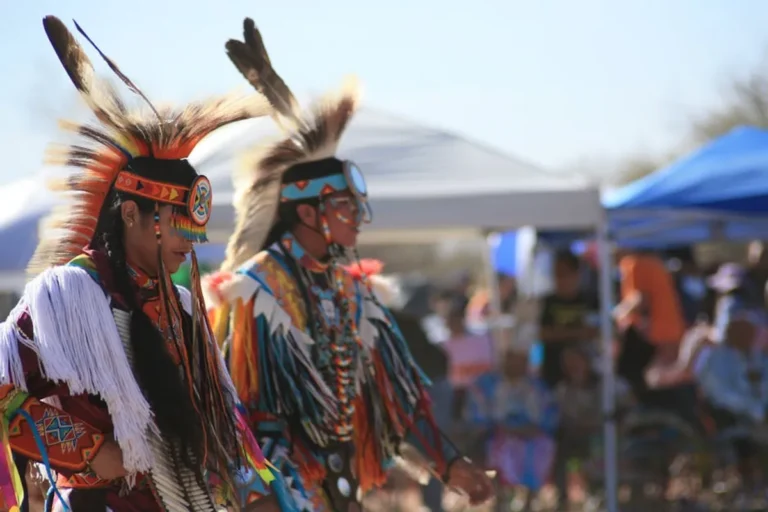

Native American hat bands represent a distinct category of wearable art, offering both aesthetic enhancement and cultural depth to headwear. For those considering an authentic accessory, the primary decision often revolves around two prominent styles: beaded and silver. Each type presents a unique set of characteristics in terms of craftsmanship, visual impact, durability, and cultural context. Understanding these differences is crucial for making an informed selection that aligns with personal style, intended use, and appreciation for traditional artistry.
Understanding Native American Hat Bands
Cultural Significance and Craftsmanship
Native American hat bands are more than decorative elements; they are expressions of heritage, often carrying symbols, patterns, and material choices specific to various tribes and their artistic traditions. The creation of these bands involves skills passed down through generations, with each piece reflecting the artisan's dedication to their craft. Authenticity in these items is tied directly to the techniques, materials, and cultural narratives embedded within them, distinguishing them from mass-produced imitations.
Materials and Construction: Beaded Bands
Beaded hat bands typically feature intricate patterns formed by small glass beads, meticulously stitched onto a backing material, often leather or felt. The selection of beads varies, from tiny seed beads allowing for fine detail to larger cut beads that create a more textured, reflective surface. Traditional methods include loom work, where beads are woven together on a frame, and peyote stitch, a freehand technique that produces a dense, flexible fabric. The patterns frequently incorporate geometric shapes, animal motifs, or colors with specific meanings, reflecting tribal cosmology or historical events. The backing material provides structure and comfort, while the beadwork itself is the primary visual draw, offering a vibrant, tactile quality.
Materials and Construction: Silver Bands
Silver hat bands, by contrast, emphasize metalwork and often incorporate natural stones. Sterling silver (.925 purity) is the most common material, valued for its luster and workability, though coin silver (often.900 purity) was historically used. Artisans employ various techniques:
- Stamping: Using hand-cut steel dies to impress patterns onto the silver surface.
- Repoussé: Hammering the silver from the reverse side to create a raised design.
- Overlay: Fusing two layers of silver, with the top layer cut out to reveal the oxidized bottom layer, creating a contrasting design.
- Inlay: Setting precisely cut pieces of stone (such as turquoise, coral, jet, or spiny oyster) flush into a silver channel.
These bands frequently feature cabochon stones, typically turquoise, known for its range of blue and green hues and matrix patterns. The silverwork itself, often polished to a high shine or given an antique patina, provides a substantial, often sculptural, presence. Hallmarks, or maker's marks, are frequently stamped into silver pieces, serving as an indicator of the artisan and often the authenticity of the material.
Key Differentiators: Beaded vs. Silver
The choice between beaded and silver hat bands hinges on several distinct characteristics:
Aesthetic Impact: Beaded bands offer vibrant color palettes and intricate, often geometric, patterns. Their texture is tactile, and the overall impression is typically more organic and visually soft. Silver bands provide a metallic luster, often with bold, sculptural forms and the striking contrast of natural stones. They tend to convey a more robust, sometimes overtly Southwestern, aesthetic.
Durability and Maintenance: Beaded bands, while durable, are susceptible to bead loss if snagged or subjected to excessive abrasion. They require care to prevent dirt accumulation between beads. Silver bands are generally more robust against physical impact but require regular polishing to prevent tarnish and maintain their shine, especially in humid environments. Stones, particularly turquoise, can be porous and sensitive to chemicals.
Weight and Comfort: Beaded bands are typically lighter and more flexible, conforming easily to the hat's shape. Silver bands, especially those with substantial silverwork and multiple stones, can add noticeable weight to a hat. This can be a factor for extended wear, affecting overall comfort and the hat's balance.
Price Considerations: Pricing for both styles varies widely based on the artisan's skill, complexity of the design, materials used (e.g., quality and quantity of beads, gauge of silver, size and grade of stones), and the cultural significance of the piece. Generally, complex silverwork with high-grade, natural stones can command higher prices due to material cost and labor intensity.
Choosing the Right Hat Band for Your Style
Selecting a hat band involves considering how it integrates with your existing wardrobe and the hat itself.
Matching Band to Hat: A wide-brimmed felt cowboy hat might accommodate a substantial silver band, while a lighter straw fedora might pair better with a more delicate beaded design. Consider the hat's material, color, and crown shape. A busy hat pattern might clash with an overly intricate band; simpler hats often provide a better canvas for detailed bands.
Personal Aesthetic: If your style leans towards earthy tones and handcrafted textures, a beaded band with traditional patterns might be a natural fit. For those who prefer bold statements, metallic accents, and the distinct presence of natural stones, a silver band could be more appropriate.
Occasion and Wear Frequency: For daily wear or active use, a more resilient band might be preferred. For special occasions or display, a more delicate or intricate piece might be suitable. Consider how often the hat will be worn and in what conditions.
Authenticity and Ethical Sourcing: Always seek out pieces from reputable dealers who can verify the origin and authenticity of the craftsmanship. This supports Native American artists and ensures you acquire a genuine piece of cultural art.
Pro Tip: When evaluating a silver hat band, look for the artist's hallmark or signature. This mark is often a sign of authenticity and quality, indicating that the piece was crafted by a recognized artisan. Researching these marks can provide valuable insight into the band's origin and potential value.
Care and Preservation
Proper care extends the life and beauty of Native American hat bands.
Beaded Bands: Avoid prolonged exposure to direct sunlight, which can fade bead colors. Store in a dust-free environment. If cleaning is necessary, gently wipe with a soft, dry cloth. Avoid submerging in water or using harsh chemicals, which can damage the thread or bead finish. Should a thread break, seek professional repair to prevent further unraveling.
Silver Bands: Silver naturally tarnishes when exposed to air and moisture. Store silver bands in a dry, airtight bag or box with anti-tarnish strips. Polish regularly with a jeweler's cloth specifically designed for silver. Avoid abrasive cleaners. For bands with stones, especially turquoise, keep them away from lotions, perfumes, and cleaning chemicals, as these can discolor or damage porous stones. Never use ultrasonic cleaners on pieces with natural stones, as vibrations can cause damage.
Making Your Selection
The choice between a beaded or silver Native American hat band ultimately comes down to a blend of personal preference, aesthetic goals, and practical considerations. Both styles offer a rich connection to cultural artistry and can significantly enhance a hat's character. By understanding the distinct material properties, craftsmanship techniques, and care requirements of each, you can select a piece that not only looks good but also carries a story and holds its value over time.
Frequently Asked Questions
How do I know if a hat band is authentic Native American craftsmanship?
Look for a reputable seller who can provide documentation of origin, artist information, and tribal affiliation. Authentic pieces often carry an artist's hallmark or signature. Avoid generic "Southwestern style" labels without specific artisan attribution.
Can I put a silver hat band on any hat?
While technically possible, consider the hat's material and structure. Heavy silver bands might warp or weigh down lighter hats like straw or thin felt. Ensure the hat's brim and crown can support the band's weight and that the band's attachment method is secure without damaging the hat.
How do I clean a beaded hat band?
Gently wipe the surface with a soft, dry cloth to remove dust. For more ingrained dirt, a slightly damp cloth (water only) can be used very sparingly, followed immediately by drying. Avoid harsh chemicals, excessive moisture, or scrubbing, which can damage beads or thread.
What's the difference between sterling silver and coin silver in hat bands?
Sterling silver is 92.5% pure silver (marked.925), while coin silver is typically 90% pure silver (marked.900). Sterling is the current industry standard for jewelry due to its balance of purity and durability. Coin silver was historically prevalent, especially in early Native American jewelry, often made from melted silver coins.