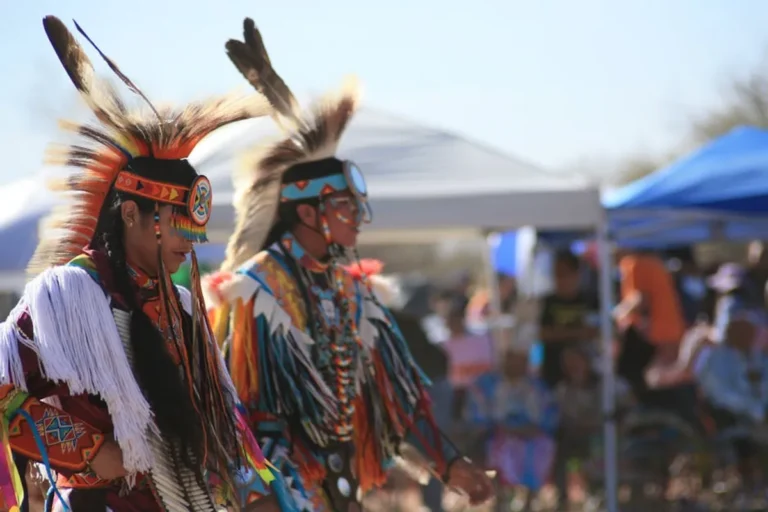

Native American keychains represent more than just functional accessories; they embody a rich tapestry of cultural heritage, artistic skill, and historical narrative. For collectors, these small items offer an accessible entry point into indigenous art, providing tangible connections to diverse tribal traditions. As gift ideas, they convey thoughtfulness, offering recipients a piece of wearable art with inherent cultural significance, often handcrafted and unique. Understanding their value requires appreciating the materials, craftsmanship, and specific tribal aesthetics that distinguish genuine pieces from mass-produced imitations.
Native American Keychains as Collectibles
Collecting Native American keychains involves an appreciation for authenticity, material diversity, and symbolic depth. These are not merely trinkets but miniature artworks, each potentially carrying the legacy of a specific tribe or artisan.
Authenticity and Craftsmanship
The primary draw for collectors is the authenticity of the piece. Genuine Native American keychains are typically handcrafted, reflecting traditional techniques passed down through generations. This includes intricate beadwork, precise silversmithing, careful leather tooling, or detailed carving. Collectors often seek pieces attributed to specific tribal affiliations, such as Navajo silverwork, Zuni inlay, or Plains Indian beadwork, because these details confirm the item's cultural origin and often its value. The level of detail, the consistency of the pattern, and the quality of the finish are key indicators of skilled craftsmanship.
Material Variety and Aesthetic
The range of materials used in Native American keychains contributes significantly to their collectible appeal:
- Beadwork: Often featuring tiny glass beads meticulously sewn onto leather or cloth, creating geometric patterns, animal figures, or floral designs. The precision and color combinations are critical to their aesthetic and value.
- Sterling Silver: Frequently seen in Southwestern styles, incorporating techniques like stamping, repoussé, or set with natural stones. The weight, purity of the silver, and artistic execution are important.
- Turquoise and Other Stones: Many keychains feature genuine turquoise, coral, jet, or mother-of-pearl, either as cabochons, inlay, or fetish carvings. The quality, cut, and natural matrix of the stone enhance its desirability.
- Leather and Hide: Used as a base for beadwork or as stand-alone pieces, often featuring fringe, tooling, or painted designs. The suppleness and durability of the leather are considerations.
- Wood and Bone: Carved into animal totems, symbolic figures, or abstract shapes. The type of wood, intricacy of carving, and finish determine its appeal.
Each material choice and artistic style offers a distinct aesthetic, catering to different collecting preferences and reflecting the diverse artistic traditions across Native American cultures.
Symbolism and Narrative
Beyond their material composition, many Native American keychains carry deep symbolic meaning. Animal figures (e.g., bears for strength, eagles for wisdom), geometric patterns (representing natural elements or spiritual concepts), and traditional motifs often tell a story or convey a particular cultural value. Understanding this symbolism adds a layer of appreciation for the collector, transforming a simple accessory into a cultural artifact.
Native American Keychains as Gift Ideas
As gifts, Native American keychains offer a blend of practicality, cultural appreciation, and personal touch. Their relatively accessible price point, combined with their unique artistry, makes them suitable for various occasions and recipients.
Thoughtful and Distinctive Gifting
Choosing a Native American keychain as a gift demonstrates consideration for unique, handcrafted items over mass-produced alternatives. It's a way to present a piece of art that carries cultural weight and supports indigenous artisans. For someone interested in Native American culture, history, or art, such a gift can be particularly meaningful.
Versatility for Occasions
These keychains are appropriate for a range of gifting scenarios:
- Travel Souvenirs: A lasting memento of a trip to a region with Native American cultural presence.
- Birthdays and Holidays: A distinctive small gift that stands out from typical offerings.
- Graduation or Milestones: A symbolic item, perhaps with an animal totem representing a desired quality like resilience or wisdom.
- Appreciation Gifts: A way to acknowledge someone's interests or heritage.
Their small size makes them easy to ship or carry, and their utility ensures they are not merely decorative but can be integrated into daily life.
Identifying Authentic Pieces
Ensuring the authenticity of a Native American keychain is crucial, whether for collecting or gifting. The market contains many items marketed as "Native American style" that are not genuinely made by indigenous artists.
Reputable Sources and Vendor Due Diligence
Purchase from established galleries, tribal enterprises, certified Native American art shows, or directly from recognized Native American artists. These sources typically provide provenance, artist information, or tribal affiliation details. Online, look for vendors with clear ethical sourcing policies and transparent product descriptions.
"Native American Made" vs. "Native American Style"
The Indian Arts and Crafts Act of 1990 makes it illegal to market products as "Native American made" when they are not. Products labeled "Native American style" or "Southwestern style" are often mass-produced and lack genuine indigenous craftsmanship. Always look for explicit claims of origin and artist affiliation.
Pro Tip: When purchasing, ask about the artist's tribal affiliation and the materials used. Genuine artisans are often proud to share this information. Be wary of overly low prices for items claiming to be handcrafted with precious materials like sterling silver or genuine turquoise, as this can be a red flag for imitation goods.
Hallmarks and Signatures
Many Native American silversmiths and jewelers use personal hallmarks or signatures on their work. While not all artisans do this, particularly for smaller items, the presence of a clear, recognizable mark can help confirm authenticity and artist identity for silver or metal pieces.
Caring for Your Keychain Collection
Proper care extends the life and preserves the aesthetic of Native American keychains. Care requirements vary by material.
- Beadwork: Avoid excessive moisture and direct sunlight, which can fade colors or weaken threads. Store in a way that prevents beads from snagging or being crushed.
- Sterling Silver: Polish periodically with a silver polishing cloth to prevent tarnish. Store in an airtight bag to slow oxidation.
- Leather: Condition occasionally with a leather conditioner to prevent drying and cracking. Keep away from prolonged water exposure.
- Stone Inlay: Protect from harsh impacts or chemicals, which can damage or dislodge stones.
Selecting the Right Native American Keychain
When choosing a Native American keychain, consider its intended purpose. For a collector, authenticity, tribal origin, and specific artisan details are paramount. For a gift, the recipient's personal style, preferred materials, and any symbolic resonance will guide your selection. Always prioritize purchasing from sources that guarantee genuine Native American craftsmanship to ensure you are acquiring a piece with true cultural and artistic integrity.
Frequently Asked Questions
What makes a Native American keychain authentic?
Authenticity is determined by the item being genuinely handcrafted by a Native American artisan, often with traditional materials and techniques. Verifiable tribal affiliation of the artist and reputable sourcing are key indicators.
How do I care for a beaded Native American keychain?
Keep beaded keychains dry and away from direct sunlight to prevent fading or damage to the threads. Store them carefully to avoid snagging or crushing the delicate beadwork.
Are Native American keychains suitable for everyday use?
Many are designed for durability and everyday use, especially those made from leather or sturdy metal. However, delicate pieces, such as intricate beadwork or those with fragile stone inlay, might be better suited for occasional use or display to preserve their condition.
Where can I find reputable sellers of Native American keychains?
Look for established art galleries specializing in Native American art, tribal museums, certified Native American art markets, or directly from artists whose tribal affiliation is known. Online, seek vendors with transparent sourcing policies and positive reviews regarding authenticity.