
Selling Native American jewelry requires careful consideration beyond simply finding a buyer. The market for authentic pieces is strong, driven by collectors, enthusiasts, and those who appreciate the cultural and artistic significance. However, navigating this market safely means understanding authentication, valuation, ethical sourcing, and secure transaction methods. The goal is to maximize the value of your piece while ensuring its provenance is respected and you are protected from fraud or misrepresentation. A key part of selling safely is understanding authentication and valuation to ensure you're dealing with genuine pieces and setting a fair price.
Establishing Authenticity and Value
Before any sale, confirming the authenticity and understanding the market value of your Native American jewelry is paramount. This initial due diligence protects both the seller and the eventual buyer, upholding the integrity of the art form.
Authentication and Provenance
Authenticity is the cornerstone of value in Native American jewelry. The Indian Arts and Crafts Act of 1990 makes it illegal to market products as "Indian-made" when they are not, emphasizing the importance of accurate representation. Establishing provenance involves documenting the piece's history, including:
- Artist Identification: Signatures, hallmarks, or distinctive styles can link a piece directly to a known artisan, significantly impacting its value. Researching the artist's background, tribal affiliation, and recognized works provides critical context.
- Acquisition History: Records of purchase, previous ownership, or family inheritance can corroborate the piece's origin and journey. Even anecdotal history, when consistent, can contribute to provenance.
- Materials and Techniques: Expert evaluation of the metals (sterling silver, gold), stones (turquoise, coral, jet, lapis), and construction methods (stamping, inlay, casting) can confirm traditional practices and quality.
- Age and Condition: While older pieces often command higher prices, their condition (wear, repairs, alterations) directly affects value. Original patina is often desirable, while extensive damage or amateur repairs can detract.
Professional Valuation
An independent appraisal by a specialist in Native American art or jewelry provides an objective assessment of value. Appraisers consider factors such as authenticity, artist reputation, rarity, condition, historical significance, and current market trends. This valuation serves as a realistic benchmark for pricing and negotiation, preventing undervaluation or overestimation. An independent appraisal by a specialist provides an objective assessment of value, offering a realistic benchmark for pricing and negotiation.
Pro Tip: Always obtain a written appraisal from a certified appraiser specializing in Native American art. This document provides a defensible valuation and critical details about the piece, which can be shared with potential buyers to build trust and justify pricing.
Secure Channels for Selling Native American Jewelry
Choosing the right selling venue depends on your comfort level with direct sales, the piece's value, and your desired speed of transaction. Each channel offers distinct advantages and considerations for safety and returns.
Specialized Auction Houses
Reputable auction houses with dedicated departments for Native American art and artifacts offer a structured, transparent selling environment. They provide expert authentication, cataloging, and marketing to a global network of collectors.
Best for: High-value, rare, or historically significant pieces where broad exposure and expert vetting are crucial for achieving premium prices.
Considerations: Commissions typically range from 15-25% of the hammer price. The selling process can take several months from consignment to payment, and there's no guarantee of sale if the reserve price isn't met.
Established Dealers and Galleries
Selling directly to a specialized dealer or consigning with an art gallery offers a more immediate transaction or a curated display environment. These entities possess deep market knowledge and a client base actively seeking specific types of Native American jewelry.
Best for: Sellers seeking a quicker sale, those with pieces that fit a gallery's specific aesthetic, or individuals who prefer direct interaction with an expert.
Considerations: Dealers purchase at wholesale prices to account for their resale margin, so the payout may be lower than an auction. Consignment arrangements involve a commission (often 30-50%) once the piece sells, but the gallery handles marketing and sales logistics.
Online Marketplaces with Authentication Programs
Digital platforms provide access to a vast audience, but require careful selection to ensure safety and authenticity. Look for marketplaces that implement robust seller verification, buyer protection policies, and, ideally, offer or facilitate authentication services for high-value items.
Best for: Pieces of moderate to high value where sellers are comfortable managing listings, shipping, and direct buyer communication.
Considerations: While commissions can be lower than traditional avenues, sellers bear responsibility for accurate descriptions, high-quality photography, secure packaging, and managing returns. Scrutinize platform policies regarding authenticity disputes and payment security.
Specialized Consignment Shops
Local or regional consignment shops focusing on artisan goods or antique jewelry can be an option, particularly for pieces that might not meet the criteria for major auction houses or galleries.
Best for: Sellers with mid-range value pieces, those who prefer local transactions, or individuals who want a hands-off selling experience without shipping logistics.
Considerations: Commissions are typically higher than auction houses (often 40-60%), and the selling period can be extended. Ensure the shop has a strong reputation for handling valuable items and offers clear terms for payment and unsold inventory return.
Protecting Your Transaction
Regardless of the selling channel, proactive measures are essential to safeguard your assets and ensure a smooth transaction.
Documentation and Photography
Before parting with your jewelry, create a comprehensive record. This includes detailed, high-resolution photographs from multiple angles, close-ups of any hallmarks or signatures, and a written description of its condition, dimensions, and known history. This documentation serves as proof of condition and authenticity, crucial for insurance claims or dispute resolution.
Secure Shipping and Insurance
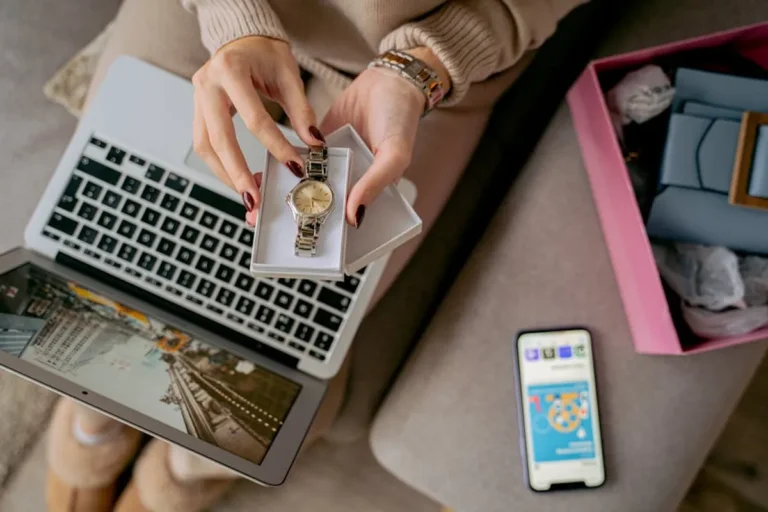
If shipping is required, use reputable carriers offering tracking, signature confirmation, and sufficient insurance coverage for the full appraised value of the item. Package the jewelry securely to prevent damage during transit, using discreet outer packaging to avoid advertising the contents.
Understanding Fees and Payment Security
Clarify all commissions, listing fees, and processing charges upfront with any selling partner. For direct sales, accept secure payment methods such as bank transfers, escrow services, or certified checks after verification. Avoid methods that offer limited recourse, like personal checks or unverified digital payments, especially from unknown buyers.
Making an Informed Selling Decision
Selling Native American jewelry safely hinges on thorough preparation, selecting the appropriate venue, and meticulous attention to transactional details. Begin with authentication and valuation to establish a clear understanding of your item's worth. Then, align your selling method with your comfort level for involvement, desired speed of sale, and the piece's inherent value. By prioritizing due diligence and secure practices, you can honor the artistic and cultural legacy of your jewelry while achieving a fair and protected sale.
Frequently Asked Questions
How do I know if my Native American jewelry is authentic?
Authenticity is best confirmed through a certified appraiser specializing in Native American art. They can identify artist hallmarks, assess materials and craftsmanship, and verify tribal origins. Documentation of provenance, such as original purchase receipts or family history, also supports authenticity.
What is the Indian Arts and Crafts Act?
The Indian Arts and Crafts Act of 1990 is a truth-in-advertising law that prohibits misrepresentation in the marketing of Indian art and craft products within the United States. It requires that products marketed as "Indian-made" be crafted by a member of a federally or state-recognized Indian tribe, or by a certified Indian artisan.
Should I get an appraisal before selling?
Yes, obtaining an independent appraisal is highly recommended. It provides an objective valuation of your jewelry based on current market conditions, condition, and provenance. This appraisal helps you set a realistic selling price, negotiate effectively, and provides documentation for insurance or potential buyers.
What are typical selling fees or commissions?
Selling fees vary significantly by channel. Auction houses typically charge 15-25% of the hammer price. Dealers buy at a wholesale margin, offering less than retail. Consignment shops and galleries often charge 30-50% commission upon sale. Online marketplaces have varied listing fees and final value fees, often ranging from 5-15%.