
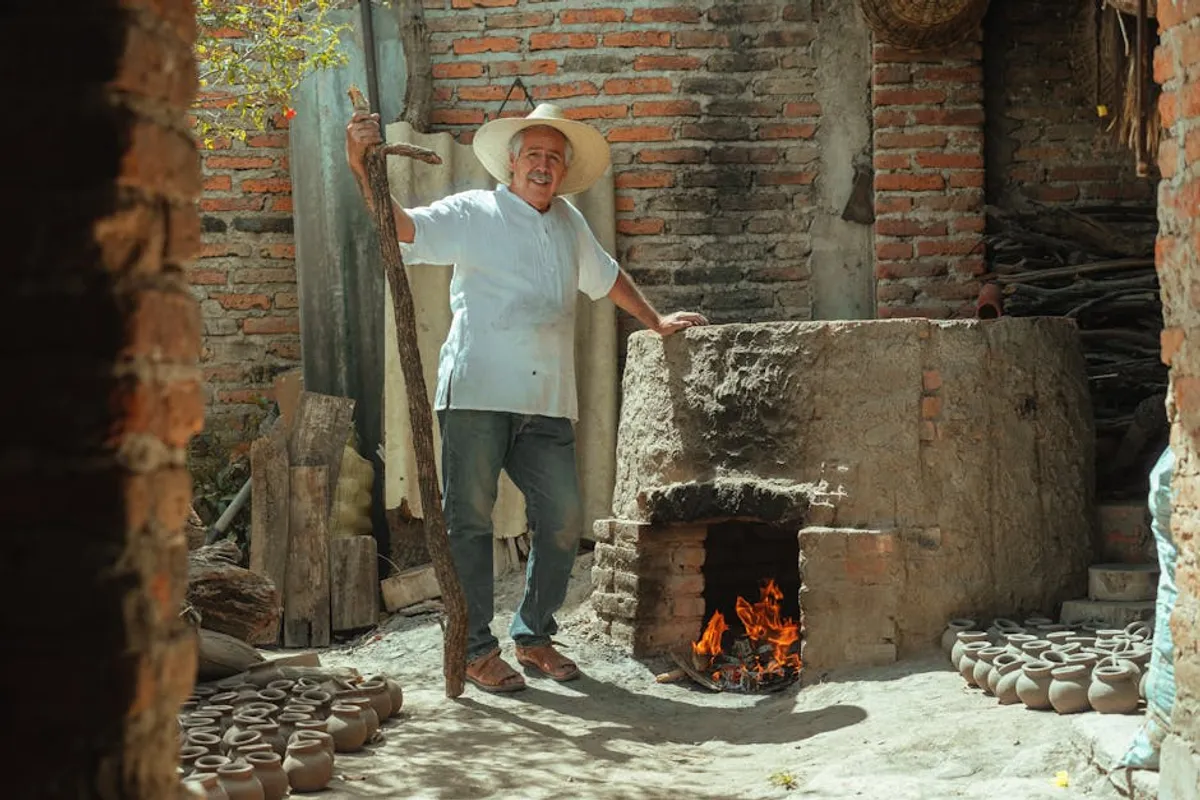
Southwest pottery represents a rich, centuries-old tradition, embodying the cultural narratives and artistic mastery of various Native American communities. For collectors, interior designers, and enthusiasts, understanding the distinct styles and patterns is key to appreciating its deep heritage and unique aesthetic value. Each piece tells a story, reflecting the specific tribal identity, available materials, and evolving artistic expressions across generations. Recognizing these nuances allows for a deeper connection to the art form and informs informed acquisition decisions, whether for display, study, or investment.
Understanding Southwest Pottery's Heritage
The pottery traditions of the American Southwest are deeply rooted in the region's diverse landscapes and indigenous cultures. From the earliest utilitarian vessels to the highly decorative pieces sought by collectors today, pottery has served essential functions while evolving as an art form. The distinct characteristics of each tribal style are often a direct result of local clay sources, traditional firing methods, and the cultural symbolism prevalent within the community.
Historical Context and Regional Diversity
Pottery making in the Southwest dates back thousands of years, with early forms serving primarily for storage, cooking, and water transport. Over centuries, techniques refined, and aesthetic elements became more pronounced. The Pueblo peoples, including the Hopi, Zuni, Acoma, and various Tewa-speaking communities like San Ildefonso and Santa Clara, are particularly renowned for their pottery. Each pueblo developed its own distinct visual language, often influenced by neighboring groups and historical events, but always maintaining a core identity.
Materials and Traditional Firing Techniques
Traditional Southwest pottery begins with locally sourced clay, often mixed with temper—materials like volcanic ash, crushed pottery shards (sherd temper), or sand—to prevent cracking during firing. The clay is then coiled, shaped, smoothed, and polished, sometimes with a smooth river stone, to achieve a lustrous surface. Pigments derived from natural minerals and plants are applied for decoration. Firing is typically done outdoors in open pits or makeshift kilns using wood, dung, or other organic materials. The control of oxygen during firing is crucial; oxygen-rich firing produces reds and yellows, while oxygen-reduced (smothered) firing creates the distinctive blackware.
Key Native American Pottery Styles and Their Characteristics
Identifying specific styles involves recognizing recurring motifs, color palettes, and surface treatments. While cross-pollination of ideas occurs, core elements remain distinct to each tradition.
Acoma Pottery: Fine Lines and Geometric Precision
Acoma pottery, from Acoma Pueblo in New Mexico, is celebrated for its incredibly thin walls and lightweight construction. The designs are characterized by intricate, fine-line geometric patterns, often featuring parallel lines, cross-hatching, and stylized birds or floral motifs. The dominant color palette typically involves black and white, with occasional accents of orange or red on a white slip background. Traditional forms include water jars, bowls, and seed pots.
Hopi Pottery: Sikyatki Revival and Stylized Motifs
Hopi pottery, particularly from First Mesa, is known for its strong connection to the Sikyatki revival style, championed by Nampeyo of Hano in the late 19th and early 20th centuries. Designs often feature stylized bird elements (like the migration pattern bird), abstract geometric shapes, and ceremonial motifs. The color scheme is typically a warm palette of red, orange, and black pigments on a yellow-orange clay body, often with a highly polished surface.
San Ildefonso Pottery: Black-on-Black Mastery
San Ildefonso Pueblo, New Mexico, is famous for its iconic black-on-black pottery, largely popularized by Maria Martinez and Julian Martinez. This style involves polishing a slipped vessel to a high sheen, then applying matte black designs over the polished black surface. The contrast creates a subtle, elegant effect. Common motifs include avanyu (water serpent), feathers, and geometric patterns. While black-on-black is dominant, earlier polychrome styles also exist.
Santa Clara Pottery: Polished Blackware and Carved Designs
Santa Clara Pueblo, New Mexico, is also renowned for its blackware, often distinguished by its deep, mirror-like polish and intricate carved or incised designs. These designs frequently feature bear paw motifs, kiva steps, or avanyu. Redware is also produced, fired in an oxygen-rich environment to achieve its distinct hue. The pottery often has a heavier, more substantial feel than Acoma pieces, and forms include bowls, jars, and wedding vases.
Zuni Pottery: Polychrome Designs and Animal Motifs
Zuni Pueblo pottery, from New Mexico, is characterized by its polychrome (multiple color) decoration. Designs often feature deer with "heartline" motifs (a line running from the mouth to the heart), stylized birds, and geometric patterns. The primary colors are typically red, brown, and black on a white or light slip. Zuni pottery often has a more matte finish compared to the highly polished surfaces of some other pueblos, and forms include bowls, effigy jars, and ceremonial vessels.
Navajo Pottery: Utilitarian Forms and Pinon Pitch Seal
Navajo pottery stands apart from the Pueblo traditions in its primary focus on utilitarian function, though artistic merit is also present. Historically, Navajo pottery was used for cooking, storage, and ceremonial purposes. It is often recognizable by its dark, unglazed surface, sometimes sealed with piñon pitch, which gives it a distinctive aroma and a slightly textured, matte finish. Designs are typically minimal, often incised or applied with simple patterns, and forms are generally robust and functional.
Identifying Authentic Southwest Pottery
Acquiring authentic Native American Southwest pottery requires careful observation and, ideally, research into the artist or pueblo of origin.
- Signatures and Markings: Many contemporary potters sign their work, often with their name and pueblo affiliation. Older pieces may be unsigned but can sometimes be attributed through stylistic analysis by experts. Be aware that signatures can be faked, so provenance is key.
- Evaluating Craftsmanship and Condition: Look for consistent wall thickness, smooth finishes (where appropriate for the style), and crisp, well-executed designs. Cracks, chips, or repairs significantly impact value and authenticity. Traditional firing methods can result in minor surface imperfections, which are often part of the piece's character.
- Provenance: Documentation of a piece's history, such as previous ownership, exhibition records, or purchase receipts from reputable sources, adds considerable value and assurance of authenticity.
Pro Tip: When handling Southwest pottery, always support the base. Oils from hands can degrade unglazed surfaces over time, and sudden temperature changes or impacts can cause irreparable damage to delicate pieces. Use cotton gloves for handling particularly sensitive or valuable items.
Appreciating the Artistry and Investment Value
Collecting Southwest pottery goes beyond mere acquisition; it involves engaging with a living art form that connects to centuries of cultural practice. Each piece represents an artist's skill, knowledge, and connection to their heritage. While some pieces hold significant investment value, particularly those by renowned historical artists, the primary appreciation comes from understanding the cultural context, the mastery of technique, and the aesthetic beauty inherent in each unique creation. Building a collection thoughtfully, with an eye towards authenticity and artistic merit, ensures a lasting connection to this profound artistic tradition.
Frequently Asked Questions
What distinguishes Southwest pottery from other Native American pottery?
Southwest pottery is primarily distinguished by its specific regional origins, the use of local clays and temper, distinct firing techniques (like outdoor pit firing), and the unique stylistic motifs and forms developed by the Pueblo and Navajo peoples of Arizona and New Mexico.
How can I tell if a piece of Southwest pottery is authentic?
Authenticity is often determined by the presence of an artist's signature, pueblo markings, traditional construction methods (e.g., coil construction visible on the interior), specific stylistic elements consistent with a known tradition, and clear provenance. Consulting with reputable dealers and experts is advisable.
What are common materials used in traditional Southwest pottery?
Traditional Southwest pottery uses locally sourced clays, often mixed with temper such as volcanic ash, crushed pottery shards (sherd temper), or sand. Pigments are derived from natural minerals (like iron oxides for reds and blacks) and organic materials (like bee-weed for black paint).
How should I care for my Southwest pottery?
To care for Southwest pottery, avoid exposing it to extreme temperature changes or direct sunlight, which can cause cracking or fading. Handle pieces by the base, preferably with gloves, to prevent oils from transferring. Dust gently with a soft brush or cloth; never immerse unglazed pieces in water or use harsh cleaning agents.