
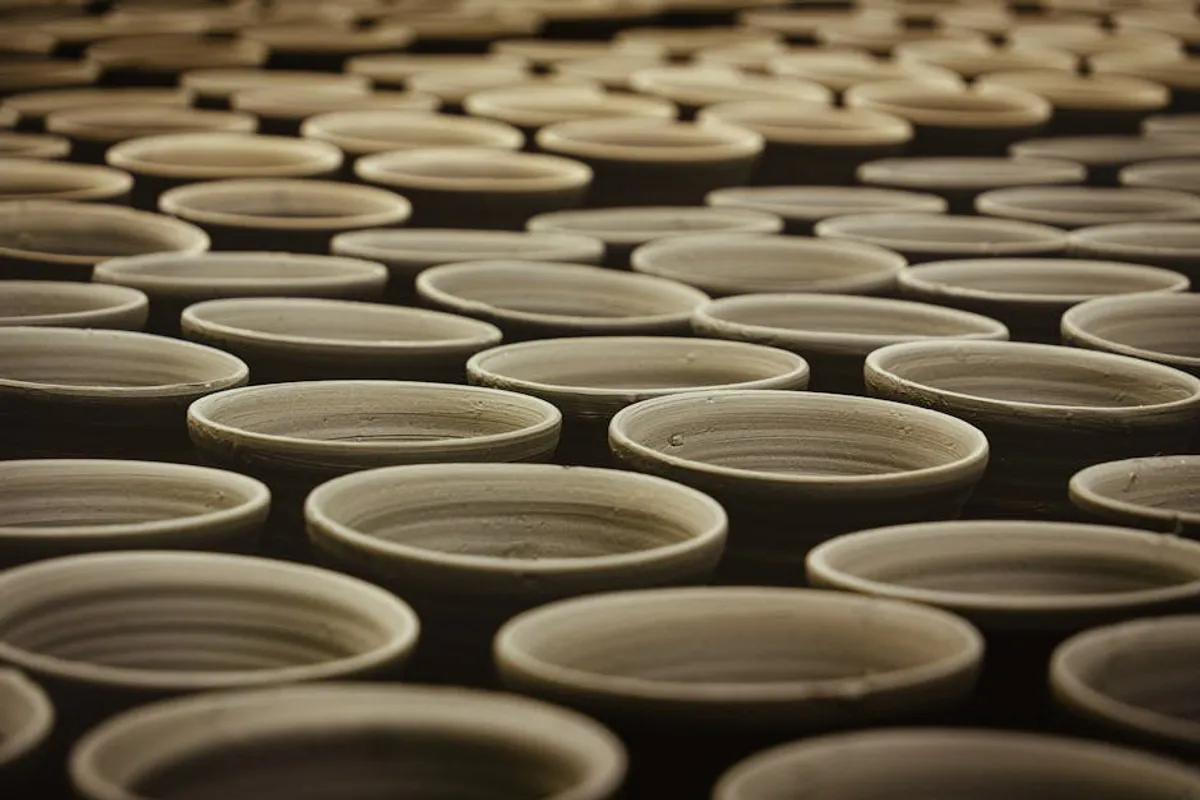
Understanding Pueblo pottery involves more than just appreciating its aesthetic qualities; it requires a deep dive into its historical context, distinct stylistic variations, and the factors that determine its market value. For collectors, cultural institutions, and those involved in the art market, a comprehensive grasp of these elements is essential for accurate appraisal, informed acquisition, and effective communication of a piece's significance. This foundational knowledge supports authentication, helps identify potential investment pieces, and ensures proper representation of a rich cultural heritage.
Origins and Evolution of Pueblo Pottery
Pueblo pottery traditions trace back over two millennia, evolving from utilitarian vessels to sophisticated art forms. Early pottery, often unpainted and coarse, served daily needs for cooking, storage, and water transport. The ancestral Pueblo people (Anasazi, Mogollon, Hohokam) developed distinct regional styles, utilizing local clays and temper materials like volcanic ash or crushed potsherds.
- Pre-Contact Era (pre-1540s): Characterized by the development of coil-and-scrape techniques, diverse forms (ollas, bowls, canteens), and the emergence of black-on-white and red-on-black decorative styles in regions like Chaco Canyon and Mesa Verde. These early pieces often feature geometric patterns, spirals, and stylized animal or human figures.
- Spanish Colonial Period (1540s-1821): While initial European contact introduced new materials and tools, Pueblo pottery largely maintained its traditional forms and functions. Some influences included the introduction of glazes, although traditional firing methods persisted. Demand for utilitarian wares continued, supporting the resilience of pottery traditions.
- Railroad Era and Tourist Market (late 19th - early 20th century): The arrival of the railroad dramatically expanded the market for Pueblo pottery beyond local communities. Potters began adapting forms and designs to appeal to a non-Native tourist audience, leading to both commercialization and a renewed interest in traditional techniques. This period saw the rise of individual artist recognition.
- Modern Revival (20th century to present): Key figures like Maria Martinez of San Ildefonso Pueblo, known for her black-on-black ware, spearheaded a revival of traditional firing and finishing techniques, elevating Pueblo pottery to fine art status. This era emphasized individual artistic expression within established cultural frameworks, leading to innovation in design while preserving ancestral methods.
Pro Tip: When evaluating historical pieces, consider the clay body and temper. Regional variations in these materials can be key indicators of origin, particularly for pre-contact or early historical pottery where artist signatures are absent. Microscopic analysis can sometimes confirm the geological source of clays.
Defining Pueblo Pottery Styles by Origin
Pueblo pottery is not monolithic; each pueblo community has developed and maintained distinctive styles, materials, and decorative motifs. Recognizing these differences is fundamental for accurate identification and appreciation.
Acoma Pueblo Pottery
Distinguishing Features: Known for incredibly thin walls, lightweight construction, and intricate geometric designs. Acoma potters traditionally use a white slip over a light gray clay, with designs painted in black, orange, and red mineral pigments. Patterns often include fine-line work, parrots, and Mimbres-inspired imagery.
Materials & Firing: Local white clay, often tempered with crushed potsherds. Fired in outdoor kilns with sheep dung, producing a light, porous body.
Santa Clara Pueblo Pottery
Distinguishing Features: Famous for polished blackware and redware, often featuring carved or incised designs. Common motifs include the Avanyu (water serpent), bears, and other animal figures. The surface is highly polished before firing to achieve a lustrous sheen.
Materials & Firing: Fine, iron-rich red clay. Blackware is achieved through a reduction firing process, where oxygen is restricted in the kiln, turning the iron in the clay black. Redware is fired in an oxidizing atmosphere.
San Ildefonso Pueblo Pottery
Distinguishing Features: Renowned for black-on-black pottery, popularized by Maria and Julian Martinez. This style involves painting matte black designs onto a highly polished black surface, creating a subtle, textural contrast. Earlier forms included polychrome and black-on-red.
Materials & Firing: Similar iron-rich clay to Santa Clara. The distinctive black-on-black effect is achieved through a specific stone-polishing technique and reduction firing, followed by painting with a slip of thinned clay before a second firing.
Hopi Pueblo Pottery
Distinguishing Features: Characterized by polychrome designs (multiple colors) on a yellow or orange slip. Designs often reflect Sikyatki revival styles, incorporating stylized birds, feathers, rain clouds, and geometric patterns. Forms tend to be more asymmetrical and organic than some other pueblos.
Materials & Firing: Yellow or orange firing clays, often tempered with volcanic ash or sand. Fired in outdoor kilns, producing a durable, light-colored body.
Assessing Value in Pueblo Pottery
The market value of Pueblo pottery is influenced by several interconnected factors. For those looking to acquire, sell, or simply understand the investment potential, a systematic evaluation is critical.
Artist and Provenance
The reputation and lineage of the potter significantly impact value. Pieces by renowned artists like Maria Martinez, Lucy Lewis, or Nampeyo command higher prices due to their historical significance, artistic mastery, and documented contributions to the art form. Documented provenance—a clear history of ownership—adds verifiable value, particularly for older or high-value pieces, as it helps confirm authenticity and origin.
Condition and Authenticity
The physical condition of a piece is paramount. Free from cracks, chips, repairs, or significant abrasions, a piece in excellent original condition will always be more valuable. Authenticity is equally crucial; this involves verifying the piece is genuinely hand-coiled and fired by a Pueblo artisan, not a mass-produced imitation. Signatures or hallmarks, while helpful, require careful verification as they can be faked.
Rarity and Age
Generally, older pieces, particularly those from significant historical periods or by early, influential potters, tend to be more valuable due to their rarity and historical context. Unique forms, experimental designs, or pieces representing a transitional period in a potter's career can also be considered rare and command higher prices.
Aesthetic Quality and Craftsmanship
Subjective beauty plays a role, but objective criteria of craftsmanship are more reliable. This includes the fineness of the coil work, the evenness of the polishing, the precision of the painted designs, and the overall balance and integrity of the form. Pieces demonstrating exceptional skill and artistic vision are consistently more desirable.
Navigating the Pueblo Pottery Market
Engaging with the Pueblo pottery market, whether as a collector, dealer, or content creator, demands ongoing education and a commitment to ethical practices. Understanding the nuances of history, style, and value allows for informed decisions, protects against misrepresentation, and fosters appreciation for the cultural significance embedded in each piece. Prioritize thorough research, consult with reputable experts, and always seek verifiable documentation for high-value acquisitions. This diligence not only secures your investment but also honors the legacy of Pueblo artisans.
Frequently Asked Questions
How can I verify the authenticity of Pueblo pottery?
Authenticity is best verified through a combination of factors: examining the clay body, temper, and firing method consistent with the stated pueblo and period; researching the artist's signature or hallmark; and reviewing the piece's provenance. Consulting with experienced dealers or museum curators specializing in Native American art is highly recommended for significant pieces.
What are the most collectible types of Pueblo pottery?
Highly collectible types often include black-on-black ware by Maria Martinez and other San Ildefonso potters, early Sikyatki revival pieces by Nampeyo and her descendants from Hopi, and intricate fine-line geometric pieces from Acoma Pueblo. Pieces by documented master potters with strong provenance are consistently sought after.
How should Pueblo pottery be cared for and preserved?
Pueblo pottery is fragile and requires careful handling. Avoid exposing pieces to extreme temperature changes, direct sunlight, or high humidity. Dust gently with a soft brush or cloth; never use water or cleaning agents, as they can damage the porous surface or pigments. Display on a stable surface away from areas where it could be easily knocked over.
Do unsigned Pueblo pottery pieces have value?
Yes, many valuable Pueblo pottery pieces, particularly older ones predating the widespread practice of signing, are unsigned. Their value is determined by their age, condition, pueblo origin (identifiable by style, clay, and temper), and aesthetic quality. Attribution to a specific pueblo or even a period can be made by experts based on stylistic analysis.