
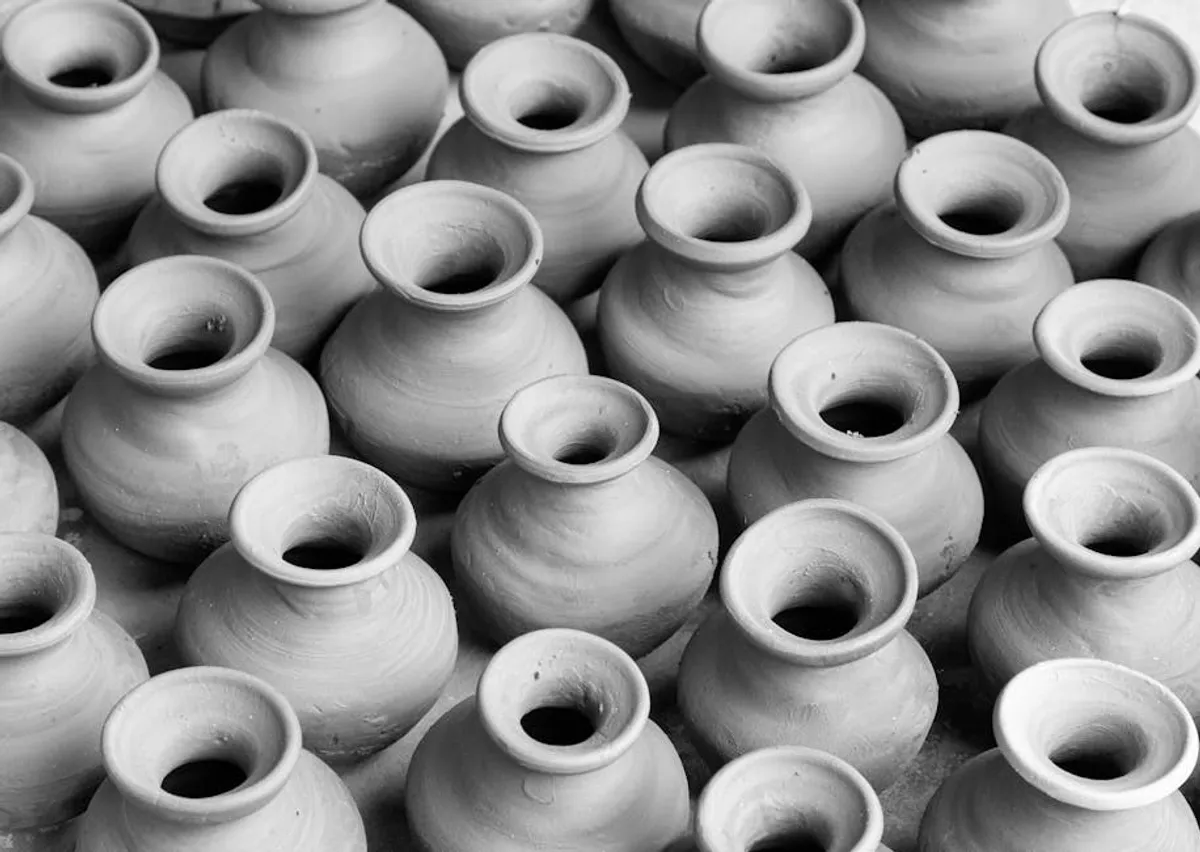
Acoma pottery, with its distinctive thin walls, intricate designs, and historical lineage, represents a significant category within Native American art. For collectors, enthusiasts, and those new to the field, understanding the nuances of its creation, symbolism, and market value is essential. This guide offers a detailed look into what defines Acoma pottery, helping to identify authentic pieces and appreciate their cultural and artistic depth.
The Legacy of Acoma Pottery
Originating from Acoma Pueblo in New Mexico, one of the oldest continuously inhabited communities in North America, Acoma pottery carries centuries of tradition. The potters of Acoma are renowned for their exceptional skill in working with local clays, primarily a fine white clay found near the pueblo. This clay, combined with a unique firing process, results in pottery that is remarkably lightweight yet durable, often characterized by its resonant "ring" when tapped.
Historical Context and Cultural Significance
Acoma pottery is not merely decorative; it is a direct link to the Pueblo's cultural identity and history. Traditional methods, passed down through generations, involve hand-coiling and shaping without the use of a potter's wheel. The designs often reflect the Acoma people's worldview, their relationship with the natural environment, and their spiritual beliefs. Each piece tells a story, making it a valuable artifact of cultural heritage as much as an artistic creation.
Distinguishing Acoma Designs and Motifs
The visual language of Acoma pottery is rich and immediately recognizable. While styles can evolve, core elements persist, allowing for identification even by those less familiar with the art form. The precision of the hand-painted designs is a hallmark, often executed with brushes made from yucca leaves.
Geometric Patterns and Fine Lines
Acoma pottery is famous for its meticulous geometric patterns. These often include:
- Fine-line designs: Extremely thin, parallel lines, sometimes forming intricate cross-hatching or radiating patterns.
- Checkerboards: Alternating dark and light squares, often used as borders or infill.
- Hatching: Closely spaced lines used to fill in larger shapes, adding texture and depth.
- Stair-step or terraced motifs: Representing mountains, clouds, or ceremonial structures.
- Zigzags and lightning patterns: Symbolizing natural forces and often associated with rain.
The contrast between the stark white slip and the black or reddish-brown natural pigments creates a striking visual impact, enhancing the precision of these geometric elements.
Avian and Naturalistic Symbols
Beyond geometry, Acoma pottery frequently incorporates stylized depictions of birds and natural elements. The parrot and the roadrunner are particularly common, often depicted with simplified forms and elegant curves. These birds are not merely decorative; they carry symbolic weight, representing aspects like fertility, wisdom, or communication with the spirit world. Cloud patterns, rain motifs, and floral designs also appear, underscoring the deep connection to the land and agricultural cycles.
Understanding Acoma Pottery's Value
The value of Acoma pottery is determined by a combination of factors, reflecting its artistic merit, historical significance, and market demand. For collectors, understanding these elements is crucial for making informed acquisitions.
Factors Influencing Price
Several key attributes contribute to a piece's market value:
Artist: Pieces by renowned Acoma potters, especially those from established families or with significant exhibition histories, command higher prices. Signatures or distinctive styles can help identify the artist.
Age and Condition: Older pieces, particularly those from the early 20th century or earlier, are often more valuable, provided they are in excellent condition. Chips, cracks, or significant repairs can diminish value.
Size and Form: Larger, more complex forms like ollas (water jars), large bowls, or effigy pots typically fetch more than smaller, simpler pieces. The intricacy of the form itself can be a factor.
Rarity and Uniqueness: Exceptional designs, unusual motifs, or pieces from a specific, limited period can increase desirability and value.
Provenance: A documented history of ownership, especially if it includes notable collectors or exhibitions, adds to a piece's appeal and authenticity.
Authenticity and Provenance
Ensuring the authenticity of Acoma pottery is paramount. Fakes and reproductions exist, making careful examination necessary. Look for consistent hand-coiling marks (though often smoothed), natural pigment variations, and the characteristic lightweight feel. The presence of a signature or artist's mark, while helpful, should always be cross-referenced with known examples of their work. Documented provenance, such as old sales receipts, exhibition catalogs, or family histories, provides the strongest assurance of authenticity.
Pro Tip: When evaluating Acoma pottery, pay close attention to the "ring" test. Gently tap the piece with a fingernail; an authentic, well-fired Acoma pot will often produce a clear, resonant sound, indicative of its thin walls and dense clay. A dull thud may suggest a crack or a different pottery tradition.
Collecting and Preserving Acoma Pottery
Collecting Acoma pottery requires a commitment to its preservation. These pieces are fragile and susceptible to damage from mishandling, environmental factors, and improper display.
Best for: Displaying in stable environments away from direct sunlight, extreme temperature fluctuations, and high humidity.
Always handle pottery with clean hands, grasping it firmly from the base rather than by the rim or handles. Avoid using harsh chemicals or abrasives for cleaning; a soft, dry brush or cloth is usually sufficient for dust. For more significant cleaning or repair, consult a professional conservator specializing in Native American ceramics.
Acquiring and Appreciating Acoma Artistry
Whether you are a seasoned collector or simply admire the artistry, understanding the rich heritage, distinct designs, and value drivers of Acoma pottery enhances the experience. Each piece represents not only the skill of its maker but also a continuous cultural narrative from one of America's oldest communities. Investing time in research and seeking reputable sources will ensure that your appreciation is grounded in knowledge and respect for this enduring art form.
Frequently Asked Questions
What makes Acoma pottery unique?
Acoma pottery is unique due to its exceptionally thin walls, lightweight nature, use of local white clay, and intricate hand-painted geometric and naturalistic designs, often featuring fine lines and stylized birds.
How can I identify an authentic Acoma pot?
Authenticity indicators include the characteristic lightweight feel, a resonant "ring" when tapped, meticulously hand-painted designs with natural pigments, and sometimes an artist's signature. Researching known artists and their styles is also crucial.
What symbols are commonly found on Acoma pottery?
Common symbols include fine-line geometric patterns, checkerboards, stair-steps (representing mountains or clouds), lightning motifs, and stylized depictions of birds like parrots and roadrunners, which carry cultural significance.
How should I care for my Acoma pottery?
Handle pieces carefully from the base, display them in stable environments away from direct light and temperature extremes, and clean them gently with a soft, dry brush or cloth. Avoid harsh chemicals or abrasives.