
Hopi pottery represents a significant artistic and cultural tradition, distinguished by its intricate designs, meticulous craftsmanship, and deep historical roots. For collectors, enthusiasts, and those new to Native American art, understanding the nuances of Hopi pottery involves appreciating its visual language, recognizing the hands that create it, and accurately assessing its market value. This requires focusing on specific elements: the traditional motifs that convey meaning, the unique styles of individual artists and their lineages, and the material condition and provenance that dictate a piece's worth in a competitive market.
Distinguishing Hopi Pottery Designs
Traditional Motifs and Symbolism
Hopi pottery designs are not merely decorative; they are narratives and reflections of the Hopi worldview, often drawing from nature, spirituality, and daily life. Key motifs include geometric patterns, often representing migration paths or rain clouds, and stylized depictions of birds, insects, and kachina figures. The Sikyatki Revival style, pioneered by Nampeyo of Hano in the late 19th and early 20th centuries, reinterpreted ancient Sikyatki designs, characterized by bold, curvilinear forms and intricate feather patterns. Recognizing these recurring symbols and their variations is fundamental to appreciating the artistic depth and cultural context of each piece. The execution of these designs—the precision of lines, the balance of negative space, and the consistency of color application—directly influences a piece's aesthetic appeal and, consequently, its perceived value.
Material and Construction
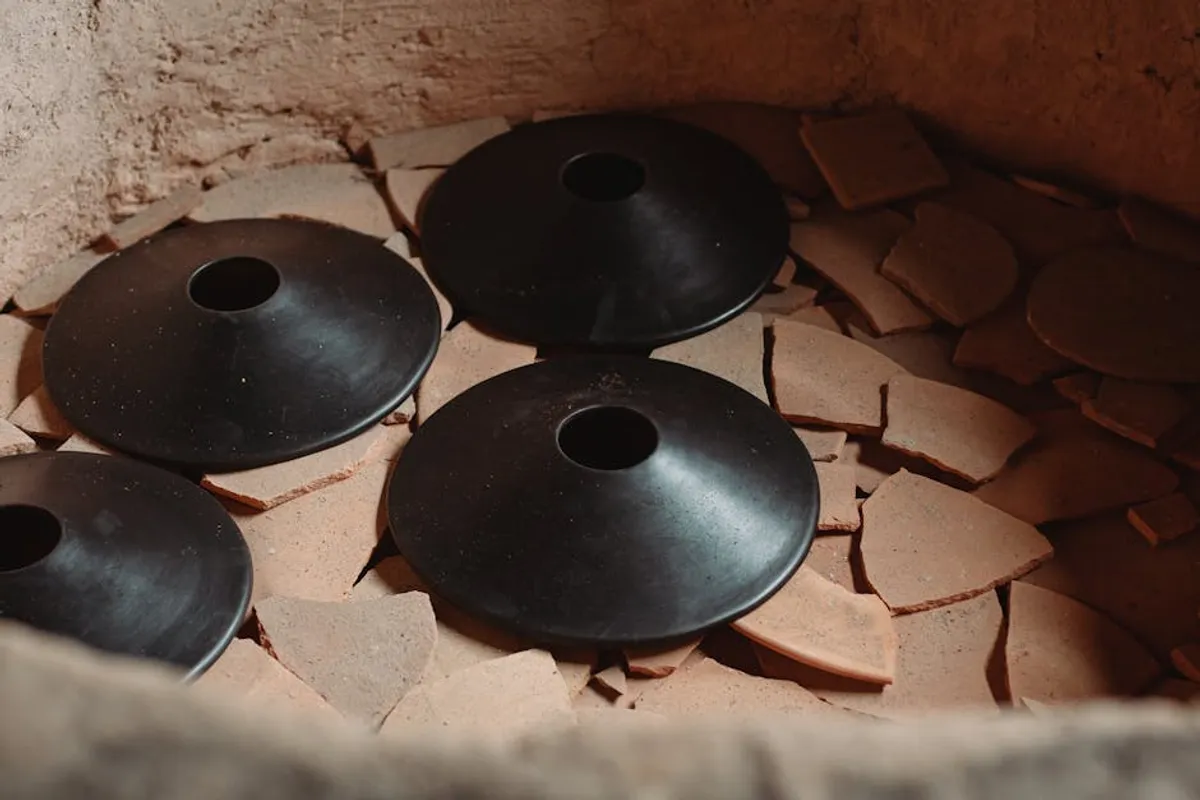
The foundation of Hopi pottery lies in its traditional construction. Potters primarily use local clays, which vary in color from buff to terracotta, providing a natural canvas. The coiling method, where clay ropes are built up layer by layer and then smoothed, is central to forming the vessel. Surface treatment involves applying a slip, often a fine white or yellow clay, which serves as a base for painting. Paints are derived from natural mineral and plant sources, such as beeplant (for black) and hematite (for red), ground and mixed with water. Firing typically occurs outdoors in open pits using sheep dung as fuel, resulting in distinctive surface patinas and color variations that are difficult to replicate with modern kilns. The integrity of the clay body, the evenness of the slip, and the vibrancy of the natural pigments are critical indicators of quality and adherence to traditional practices.
Identifying Hopi Artists and Their Marks
Signature Styles and Lineage
Many Hopi pottery traditions are passed down through generations, leading to recognizable family styles. Artists often develop a distinct "hand" or signature aesthetic that, even without a literal signature, can be attributed to them or their family workshop. For instance, the Nampeyo family's influence is evident in the Sikyatki Revival style, with descendants like Fannie Nampeyo and Dextra Quotskuyva evolving the tradition while maintaining core elements. Understanding these artistic lineages helps to contextualize a piece, linking it to a specific period of innovation or mastery. The individuality and consistent quality of an artist's output contribute significantly to their reputation and the collectibility of their work.
Artist Signatures and Provenance
While not all older pieces are signed, contemporary Hopi pottery often includes an artist's signature, hallmark, or distinctive symbol on the base. Signatures can evolve over an artist's career, and understanding these variations is crucial for accurate attribution. Provenance, the documented history of ownership, is equally vital. A piece accompanied by records of its acquisition, exhibition history, or previous ownership by a notable collector adds layers of authenticity and value. For unsigned pieces, expert appraisal based on design, construction, and material analysis, combined with a strong provenance, becomes paramount in establishing its origin and worth.
Pro Tip: Always prioritize pieces with clear provenance, especially for significant investments. A documented chain of ownership from the artist or a reputable gallery provides critical authentication and mitigates risks associated with misattribution or fakes. If provenance is absent, seek expert appraisal from specialists in Native American pottery who can evaluate the piece based on stylistic elements, materials, and construction techniques.
Assessing the Value of Hopi Pottery
Condition and Rarity
The physical condition of a Hopi pottery piece is a primary determinant of its value. Pieces free from chips, cracks, repairs, or significant abrasions command higher prices. Even professional repairs, while preserving the piece, typically reduce its market value compared to an untouched example. Rarity is another key factor, influenced by the artist's output (some artists produced fewer pieces), the age of the piece, and the uniqueness of its design. Early works by influential artists, or pieces featuring unusual motifs or particularly intricate craftsmanship, often achieve higher valuations due to their scarcity and historical significance.
Market Demand and Historical Significance
The reputation of the artist, their exhibition history, and their inclusion in museum collections or academic publications directly impact market demand. Works by master potters like Nampeyo, Feather Woman (Helen Naha), or Dextra Quotskuyva consistently attract strong interest. A piece's historical significance, such as its representation of a particular artistic movement or its role in a cultural revival, also elevates its value. Current market trends, collector preferences, and the overall economic climate can influence prices, but established artists and historically important pieces tend to retain their value over time.
Key factors for valuation include:
- Artist's Identity: Known master potters or recognized family lineages.
- Authenticity: Verified origin, traditional materials, and construction.
- Condition: Absence of damage, repairs, or significant wear.
- Design Complexity: Intricacy, originality, and cultural significance of motifs.
- Age and Rarity: Older pieces by significant artists or unique examples.
- Provenance: Documented history of ownership and exhibition.
- Size and Form: Larger, well-proportioned, or unusual forms can enhance value.
Navigating the Hopi Pottery Market
When acquiring Hopi pottery, engaging with reputable dealers, galleries, and auction houses specializing in Native American art is crucial. These sources often provide certificates of authenticity, detailed provenance, and expert insights into the pieces they offer. Attend exhibitions, consult academic texts, and follow major auction results to develop an informed understanding of the market. Asking specific questions about the artist, the piece's history, and any restoration work is essential for making informed decisions. Building relationships with knowledgeable experts can also provide invaluable guidance as you deepen your engagement with this rich artistic tradition.
Frequently Asked Questions About Hopi Pottery
What makes Hopi pottery unique compared to other Native American pottery?
Hopi pottery is distinguished by its specific use of local clays, traditional coiling and outdoor firing methods, and particularly by its iconic design motifs, many of which stem from the ancient Sikyatki tradition, characterized by curvilinear forms and stylized bird and feather patterns.
How can I tell if a piece of Hopi pottery is authentic?
Authenticity is best determined by a combination of factors: examining the traditional materials (clay type, natural pigments), construction methods (coiling marks, firing effects), stylistic consistency with known artists or lineages, and, most reliably, documented provenance or an artist's signature.
What factors contribute most to the value of Hopi pottery?
The primary factors influencing value are the artist's reputation and skill, the piece's condition (undamaged pieces are more valuable), its rarity, the complexity and cultural significance of its design, and its historical provenance.
Is older Hopi pottery always more valuable than contemporary pieces?
Not necessarily. While historically significant older pieces by master potters can command high prices, exceptional contemporary works by renowned living artists, especially those pushing artistic boundaries while honoring tradition, can also achieve substantial valuations.