Navajo jewelry represents a significant cultural and artistic heritage, making its appraisal a critical process for collectors. Understanding the true value of these pieces extends beyond mere aesthetics; it involves a deep appreciation for craftsmanship, historical context, and material integrity. For collectors, an accurate appraisal serves multiple purposes: it protects investment, informs insurance coverage, guides potential sales or acquisitions, and validates authenticity. This guide details the specific criteria and processes involved in assessing the value of Navajo jewelry, providing clarity on what makes a piece genuinely significant and financially sound. This guide details the specific criteria and processes involved in appraising Navajo jewelry, providing a clear path for collectors seeking accurate valuations.
Core Factors Influencing Navajo Jewelry Value
The valuation of Navajo jewelry is a multi-faceted process, relying on a combination of objective and subjective elements. Each factor contributes to the overall market desirability and financial worth of a piece.
Authenticity and Provenance
Authenticity is the foundational pillar of value. A piece must be verifiably Navajo-made to command its appropriate market price. This often involves:
- Artist Signature or Hallmark: Many reputable Navajo jewelers sign or hallmark their work. Researching these marks can confirm the artist and period. Unsigned pieces are not inherently less valuable but require more extensive authentication.
- Tribal Affiliation: While "Native American jewelry" is a broad category, specific tribal origins (Navajo, Zuni, Hopi) influence style and technique, which in turn affects market demand.
- Documented History: Original purchase receipts, certificates of authenticity, exhibition records, or even photographic evidence of the piece being worn by a notable individual can significantly enhance provenance and value.
Materials and Craftsmanship
The quality of materials and the skill with which they are transformed are paramount.
- Sterling Silver Purity: Most authentic Navajo jewelry is crafted from sterling silver, typically marked ".925". The weight and gauge of the silver also matter; heavier, thicker pieces generally indicate higher quality and durability.
- Turquoise Quality: Turquoise is central to Navajo jewelry. Its value is determined by mine origin (e.g., Sleeping Beauty, Kingman, Cerrillos, Lone Mountain), color (deep blue, spiderweb matrix), hardness, and lack of treatment. Stabilized or color-enhanced turquoise is less valuable than natural, untreated stones.
- Other Stones: Coral, lapis lazuli, spiny oyster, and jet are also frequently used. Their quality, cut, and origin contribute to the overall value.
- Techniques: Intricate silverwork techniques such as stamping, repoussé, overlay, channel inlay, and sandcasting demonstrate a high level of artistry. The precision of stone setting, the balance of design, and the overall execution of the piece are critical indicators of craftsmanship.
Rarity and Condition
Scarcity and preservation directly impact a piece's market appeal.
- Unique Designs: One-of-a-kind pieces, those from limited production runs, or experimental works by master artists often command higher prices due to their uniqueness.
- Age and Historical Significance: Older pieces, particularly those from the early 20th century or earlier, often carry historical significance that adds to their value, especially if they represent a particular artistic period or style evolution.
- Condition: The physical state of the jewelry is crucial. Minimal wear, absence of damage (cracks, chips, broken solder joints), and original patina (which should generally not be polished away) contribute to higher value. Repairs, especially poorly executed ones, can significantly diminish worth.
Artist Reputation and Demand
The creator's standing and market trends play a substantial role.
- Master Jewelers: Works by highly recognized and influential Navajo artists (e.g., Charles Loloma, Kenneth Begay, Orville Tsinnie, Harry Morgan) consistently fetch higher prices due to their established legacy and artistic innovation.
- Market Demand: Current trends and collector interest in specific styles, periods, or artists can cause fluctuations in value. Pieces by deceased master artists, for example, often see increased demand.
The Appraisal Process: What to Expect
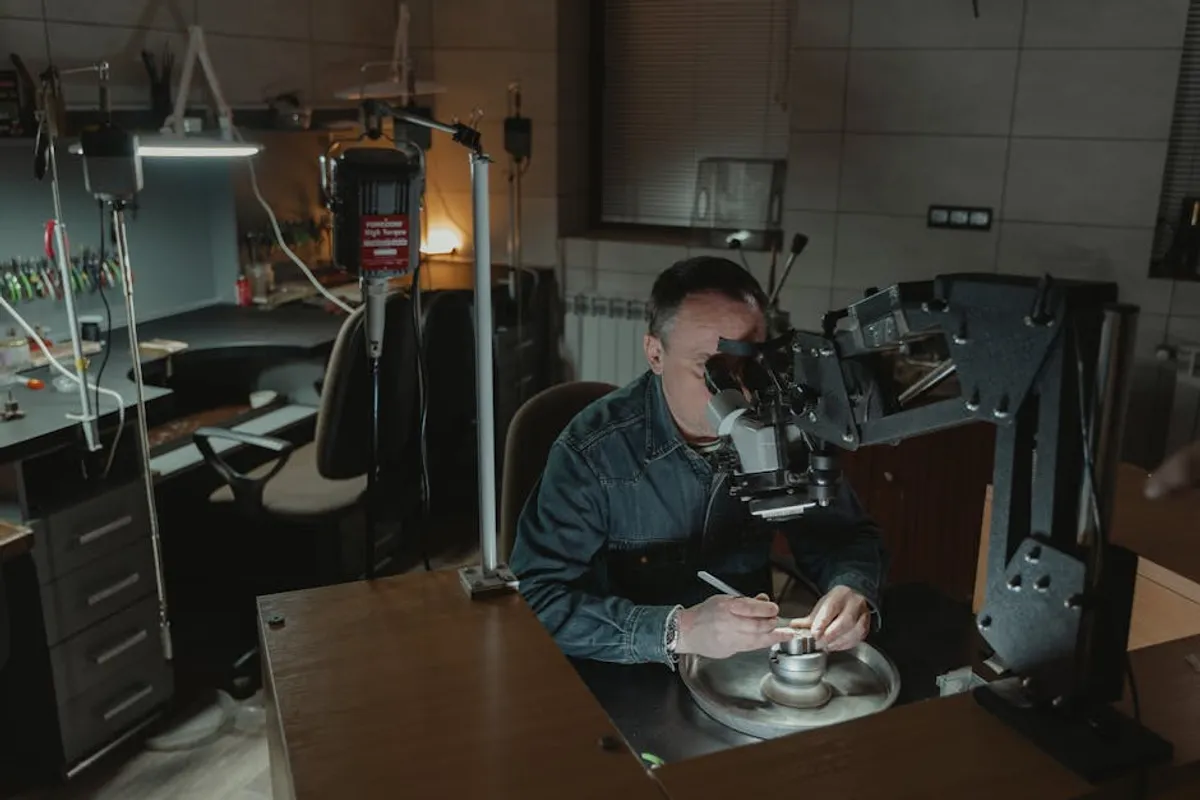
Engaging a professional appraiser is essential for an objective and accurate valuation.
Selecting a Qualified Appraiser
The choice of appraiser is paramount. Look for individuals or firms with specific expertise:
- Specialization: The appraiser must specialize in Native American arts, Southwestern jewelry, or cultural artifacts. Generalist jewelers may lack the nuanced knowledge required for Navajo pieces.
- Accreditations: While not always specific to Native American jewelry, general appraisal accreditations (e.g., from the American Society of Appraisers or International Society of Appraisers) indicate a commitment to ethical standards and professional methodology.
- References and Reputation: Seek recommendations from established collectors, museums, or reputable galleries.
Documentation for Appraisal
To facilitate an accurate appraisal, prepare all available documentation:
- Original purchase receipts or invoices.
- Certificates of authenticity.
- Any previous appraisal reports.
- Photographs of the piece being worn or exhibited.
- Information about the artist, if known (biographies, articles).
Types of Value Appraisals
Appraisals can be conducted for different purposes, each yielding a distinct value:
- Fair Market Value (FMV): This represents the price at which property would change hands between a willing buyer and a willing seller, neither being under any compulsion to buy or to sell and both having reasonable knowledge of relevant facts. FMV is typically used for estate planning, charitable donations, or private sales.
- Replacement Value: This is the cost to replace an item with one of similar kind and quality within a reasonable amount of time in the appropriate market. Replacement value is generally higher than FMV and is used for insurance purposes.
Pro Tip: Avoid relying on online "instant appraisal" services or general jewelry store appraisers for Navajo pieces. The specific historical, cultural, and artistic nuances of Native American jewelry require specialized knowledge that a generalist often lacks, potentially leading to significant undervaluations or overvaluations.
Maintaining Value: Care and Storage
Proper care and storage protect your investment and preserve the aesthetic and historical integrity of your Navajo jewelry.
- Cleaning: Use only gentle methods. For silver, a soft polishing cloth specifically designed for sterling silver is appropriate. Avoid harsh chemical dips, which can damage stones, alter patinas, or weaken solder joints. Turquoise, being porous, should never be immersed in water or exposed to cleaning chemicals.
- Storage: Store pieces individually in soft pouches or compartmentalized jewelry boxes to prevent scratching and tangling. Keep them in a dry environment away from direct sunlight and extreme temperature fluctuations, which can cause damage to stones or tarnish silver more rapidly.
Informed Collecting for Long-Term Value
Navajo jewelry collecting is a journey of appreciation, education, and strategic acquisition. By understanding the intricate factors that determine value—from the artist's hand and material quality to historical context and market demand—collectors can make informed decisions that protect and enhance their investments. Regular, professional appraisals are not merely a formality but a vital tool in managing a valuable collection, ensuring its authenticity and securing its place as both a cultural artifact and a financial asset. Regular, professional appraisals are not merely a formality but a vital tool in managing a valuable collection, ensuring its authenticity and securing its place as both a cultural artifact and a financial asset, informed by its history, styles, and collector value.
Frequently Asked Questions
What is the single most important factor determining Navajo jewelry value?
Authenticity and the artist's identity are often the most crucial factors. A verified piece by a master Navajo jeweler with strong provenance will typically hold more value than an unsigned piece, regardless of material quality.
Can I appraise my own Navajo jewelry using online resources?
While online resources can provide general information, they cannot replace a professional, in-person appraisal. Accurate valuation requires an expert's eye to assess craftsmanship, material quality, condition, and market specifics.
How often should I have my Navajo jewelry collection appraised?
It is recommended to have your collection appraised every three to five years, or whenever there are significant market shifts, changes in your insurance coverage needs, or major additions/subtractions to your collection.
Does a signature or hallmark always guarantee high value for Navajo jewelry?
A signature or hallmark is a strong indicator of authenticity and often points to an established artist, which can contribute to value. However, it does not automatically guarantee high value; the piece's overall quality, condition, and market demand still play significant roles.