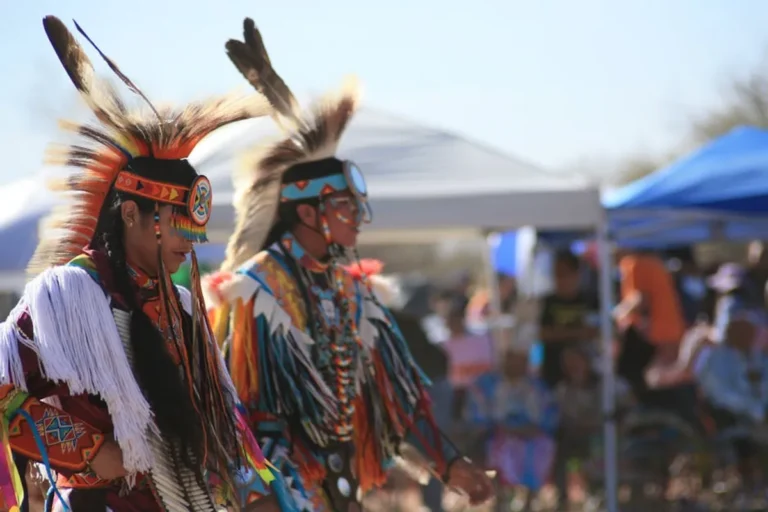

Choosing a Native American Thunderbird pendant involves more than selecting a piece of jewelry; it means engaging with a profound symbol embedded in diverse Indigenous cultures. For those seeking a meaningful accessory, understanding the Thunderbird's complex symbolism and the stylistic variations in its depiction is essential. This guide outlines the key considerations, from cultural interpretations to craftsmanship, to inform a discerning selection.
Understanding Thunderbird Symbolism
The Thunderbird is a powerful and revered figure across numerous Native American and First Nations traditions, primarily in the Plains, Pacific Northwest, and Great Lakes regions. Its symbolism is not monolithic, varying subtly between tribes, but core attributes consistently emerge, representing significant forces and qualities.
Origins and Cultural Significance
In many oral traditions, the Thunderbird is a supernatural being of immense power, often associated with the sky, storms, and creation. Its wings are said to cause thunder, and its eyes flash lightning. This connection to atmospheric phenomena positions it as a bringer of rain, vital for agricultural societies, and thus a symbol of renewal and life-giving sustenance. It is frequently depicted as a guardian, protector, and a messenger between the human and spirit worlds. Its presence can signify a major change or a powerful spiritual event.
Key Interpretations
While specific meanings can differ, several common interpretations of the Thunderbird’s symbolism resonate across various Indigenous narratives:
- Power and Strength: The Thunderbird embodies formidable power, capable of controlling the elements and overcoming obstacles. It represents resilience and authority.
- Protection: Often seen as a guardian spirit, it offers protection against evil forces and brings good fortune. Wearing a Thunderbird pendant can be seen as invoking this protective energy.
- Renewal and Transformation: As a bringer of rain, the Thunderbird is linked to the cycles of nature, fertility, and the rejuvenation of life. It symbolizes new beginnings and transformative experiences.
- Leadership and Nobility: In some traditions, the Thunderbird is associated with chiefs and respected elders, representing wisdom, leadership, and a connection to ancestral knowledge.
- Truth and Honesty: Its ability to clear the skies and bring clarity can also be interpreted as a symbol of truth, integrity, and clear vision.
Exploring Thunderbird Pendant Styles
The artistic representation of the Thunderbird is as diverse as the cultures that revere it. Pendants showcase a range of styles, materials, and craftsmanship, each reflecting distinct tribal aesthetics and techniques.
Materials and Craftsmanship
Thunderbird pendants are crafted from various materials, with each choice influencing the pendant's appearance, durability, and perceived value:
- Sterling Silver: A prevalent choice, often featuring intricate stamping, overlay, or channel inlay techniques. Silver provides a classic, durable base for detailed work.
- Turquoise and Other Stones: Many pendants incorporate natural stones like turquoise, coral, jet, and mother-of-pearl. These are frequently cut and set into silver, adding vibrant color and additional symbolic layers (e.g., turquoise for protection and healing).
- Wood and Bone: Carved pendants, particularly from cedar or bone, are common in Pacific Northwest Coast art. These pieces often feature deep, expressive carvings that emphasize the Thunderbird's powerful form.
- Shell: Abalone or mother-of-pearl shells are sometimes used for their iridescent qualities, either as the primary material for carving or as inlay elements.
- Copper and Brass: Less common but still used, these metals offer a distinct aesthetic, sometimes combined with other materials for contrast.
Craftsmanship varies from minimalist, stylized interpretations to highly detailed, multi-dimensional pieces. Techniques include repoussé (hammering metal from the reverse side to create a design in relief), stamping, carving, inlay (setting pieces of stone or shell into a surface), and etching.
Design Variations and Regional Influences
The Thunderbird's depiction is not uniform. Regional artistic traditions significantly influence the design:
- Southwestern Styles: Often characterized by geometric patterns, intricate silverwork, and the prominent use of turquoise. The Thunderbird might appear more stylized, sometimes with a human-like face or a distinct head feather.
- Pacific Northwest Coast Styles: Known for bold, curvilinear forms, ovoid shapes, and a distinct color palette (red, black, blue, green). Thunderbirds from this region often feature large, powerful wings, prominent beaks, and sometimes incorporate other animal forms within their design.
- Plains Styles: May feature more realistic or abstract representations, often incorporating beadwork, quillwork, or painted designs on leather or hide, though metal pendants are also found.
- Great Lakes Styles: Often include intricate floral or curvilinear patterns, sometimes incorporating wampum or shell beads.
Each style carries its own narrative and artistic heritage, making each pendant a unique expression of cultural identity.
Authenticity and Ethical Sourcing
When selecting a Thunderbird pendant, particularly one presented as Native American art, understanding its origin is crucial. Authentic pieces are typically created by Indigenous artists, often members of federally recognized tribes, adhering to traditional methods and designs. The Indian Arts and Crafts Act of 1990 makes it illegal to market products as "Native American" if they are not made by a member of a federally recognized tribe or a certified Native American artisan. Ethical sourcing supports Indigenous communities and preserves cultural heritage. Look for artist signatures, tribal affiliations, or reputable galleries and dealers specializing in Native American art.
Pro Tip: Verify the artisan's tribal affiliation or the gallery's reputation. A genuine piece of Indigenous art carries cultural weight and supports the artist and their community directly. Be wary of mass-produced items labeled "Native American inspired" without clear provenance.
Choosing a Thunderbird Pendant
Selecting a Thunderbird pendant becomes a personal journey, balancing aesthetic preference with symbolic resonance. Consider what aspects of the Thunderbird's symbolism resonate most deeply with you—whether it's protection, strength, or renewal. Then, explore the various styles and materials that best convey that meaning visually.
Considerations for selection:
- Symbolic Connection: Does the specific interpretation of the Thunderbird's power or protection align with your personal values or intentions for wearing the pendant?
- Artistic Style: Do you prefer the bold lines of a Pacific Northwest carving, the intricate silverwork of the Southwest, or a more minimalist design?
- Material Preference: Do you gravitate towards the classic elegance of silver and turquoise, or the earthy appeal of carved wood or bone?
- Craftsmanship Quality: Examine the detail, finish, and structural integrity of the pendant. High-quality craftsmanship indicates durability and attention to detail.
- Ethical Sourcing: Prioritize pieces with verifiable provenance, ensuring you are supporting authentic Indigenous artistry and ethical practices.
A Thunderbird pendant is more than an adornment; it is a connection to rich cultural narratives and a powerful emblem. Informed selection ensures that the chosen piece carries both aesthetic appeal and profound meaning.
Practical Considerations and Care
Once you have selected a Thunderbird pendant, proper care ensures its longevity and preserves its beauty. The specific care routine depends on the materials used. For silver pieces, regular polishing with a soft cloth and avoiding harsh chemicals will maintain its luster. Turquoise and other natural stones can be porous and should be protected from excessive moisture, chemicals, and direct sunlight, which can alter their color. Wooden pendants benefit from occasional oiling to prevent drying and cracking. Always store jewelry separately to prevent scratching, ideally in a soft pouch or lined box.
Frequently Asked Questions
What does the Thunderbird symbolize?
The Thunderbird generally symbolizes power, protection, strength, renewal, and transformation across various Native American and First Nations cultures. It is often associated with storms, rain, and the life-giving forces of nature.
How can I tell if a Thunderbird pendant is authentic?
Authenticity is best verified by purchasing from reputable galleries specializing in Native American art, directly from Indigenous artists, or from dealers who can provide tribal affiliation and provenance. Look for artist signatures or hallmarks, and be wary of generic "Native American inspired" labels without specific artist or tribal information.
What materials are commonly used for Thunderbird pendants?
Common materials include sterling silver, turquoise, coral, jet, mother-of-pearl, carved wood (such as cedar), and bone. The choice of material often reflects regional artistic traditions and available resources.
How should I care for my Thunderbird pendant?
Care depends on the materials. Silver pieces benefit from regular polishing. Natural stones like turquoise should be protected from chemicals and excessive moisture. Wooden pendants may require occasional oiling. Always store your pendant in a way that prevents scratching and damage.